Mastering Your Mind Palace
Introduction to the Method of Loci
Building a Memory Palace
Your brain is exceptionally good at remembering places. Think about your childhood home or the route you take to work. You can probably navigate these spaces in your mind with little effort. The Method of Loci, also known as the memory palace technique, takes advantage of this natural ability.
The method of loci, also known as a memory palace, is an age-old mnemonic device that enables you to memorize information by associating it with physical locations.
The idea is simple: you associate pieces of information you want to remember with specific locations in a familiar physical space. To recall the information, you mentally walk through that space and retrieve the items you've stored.
An Ancient Technique
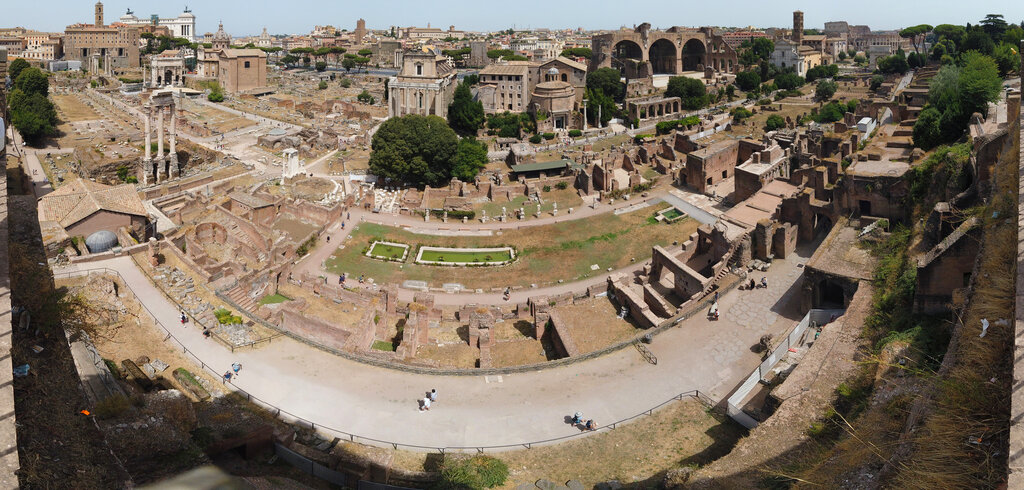
This technique isn't new. It dates back to ancient Greece and Rome, where orators used it to memorize long speeches. The legend begins with a Greek poet named Simonides of Ceos. After he left a banquet hall, the roof collapsed, tragically killing the other guests. The bodies were unrecognizable, but Simonides was able to identify each person by remembering where they had been sitting around the table.
He realized that our minds are skilled at remembering the location of objects within a familiar layout. Roman orators later perfected this method, building vast imaginary palaces in their minds to store the key points of their speeches, legal arguments, and poems.
The Basic Principles
Getting started with a memory palace involves three basic steps. First, you choose a place you know extremely well, like your apartment or a walk through your neighborhood. This will be your palace.
Second, you plan a specific route through that palace and identify distinct locations, or loci, along the way. These are your mental storage hooks. Your front door could be the first locus, the coffee table the second, the kitchen sink the third, and so on. The sequence must be logical and fixed so you can easily follow it every time.
Third, you take the information you want to memorize and place one piece at each locus. The key is to create a vivid, unusual, and memorable mental image of the item interacting with the location. Your brain remembers strange and exaggerated things more easily than boring ones.
For example, to remember a grocery list of milk, bread, and apples, you might imagine a river of milk pouring out from under your front door (locus 1), a loaf of bread sitting on your sofa watching TV (locus 2), and a pile of bright red apples overflowing from your kitchen sink (locus 3).
When you need to recall the list, you simply take a mental stroll through your palace. The bizarre images you created will pop into your mind as you visit each location, allowing you to retrieve the information effortlessly.
The power of this technique lies in transforming abstract or boring information into images that are easy for our spatially-oriented brains to file away and retrieve.