Mastering Your Kitchen Gadget
Introduction to Kitchen Tools
Your Kitchen Starter Kit
Walking into a kitchen supply store can be overwhelming. Walls of gadgets and specialized tools can make you feel like you need one of everything to cook a decent meal. The good news is, you don't. A handful of essential tools will handle the vast majority of recipes, from simple breakfasts to impressive dinners.
Think of these tools as your core team. We can group them by their main job: measuring and mixing, cutting and prepping, and cooking with heat. Mastering these basics will give you the confidence to tackle any recipe.
Start with a few essential tools, practice basic techniques like chopping, sautéing, and roasting, and prioritize whole, nutrient-dense ingredients.
Measuring and Mixing
Cooking is part art, part science. While experienced chefs often measure with their eyes, beginners should rely on precise measurements, especially in baking. Getting your quantities right is the first step to a successful dish.
For this, you'll need a few key items. Measuring cups come in two main types: one for dry ingredients like flour and sugar, and another with a spout for liquids like milk or oil. A set of measuring spoons will handle smaller amounts of spices, extracts, and leavening agents.
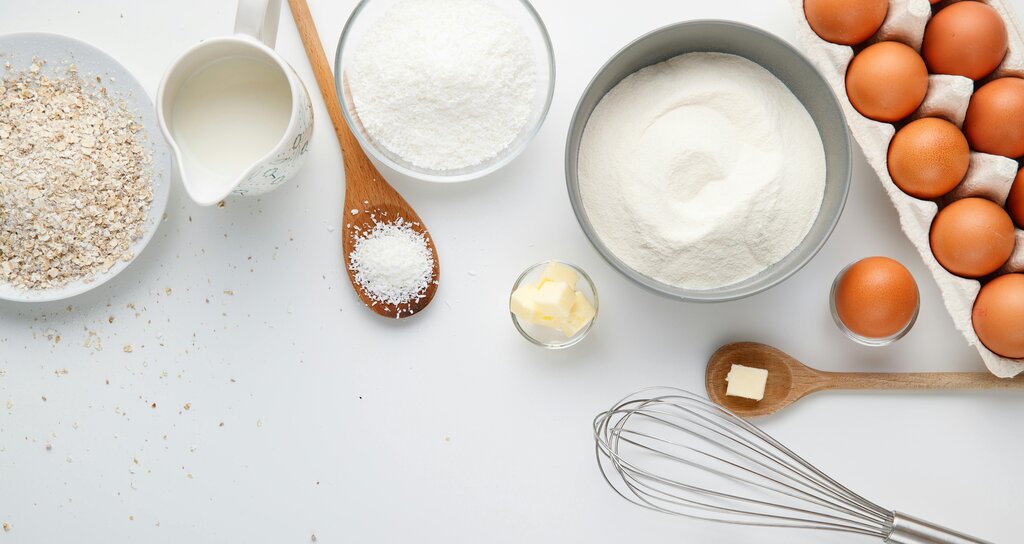
Once your ingredients are measured, you'll need something to combine them in. A set of mixing bowls is crucial. It's wise to have a few different sizes. You'll also want a whisk for incorporating air and blending liquids, and a flexible spatula for scraping the sides of the bowl to make sure everything is mixed evenly.
| Tool | Primary Use |
|---|---|
| Liquid Measuring Cup | For measuring milk, water, oil, etc. |
| Dry Measuring Cups | For measuring flour, sugar, rice, etc. |
| Measuring Spoons | For small amounts of spices, salt, baking powder. |
| Mixing Bowls | To combine ingredients. |
| Whisk | For beating eggs, mixing batters, and making sauces. |
| Spatula | For scraping bowls and folding ingredients together. |
Cutting and Prepping
Before you can cook ingredients, you usually need to prepare them. This is where cutting tools come in. While there are countless types of knives, one stands above the rest in terms of versatility: the chef's knife. It's the workhorse of the kitchen, capable of chopping vegetables, mincing herbs, and slicing meat.
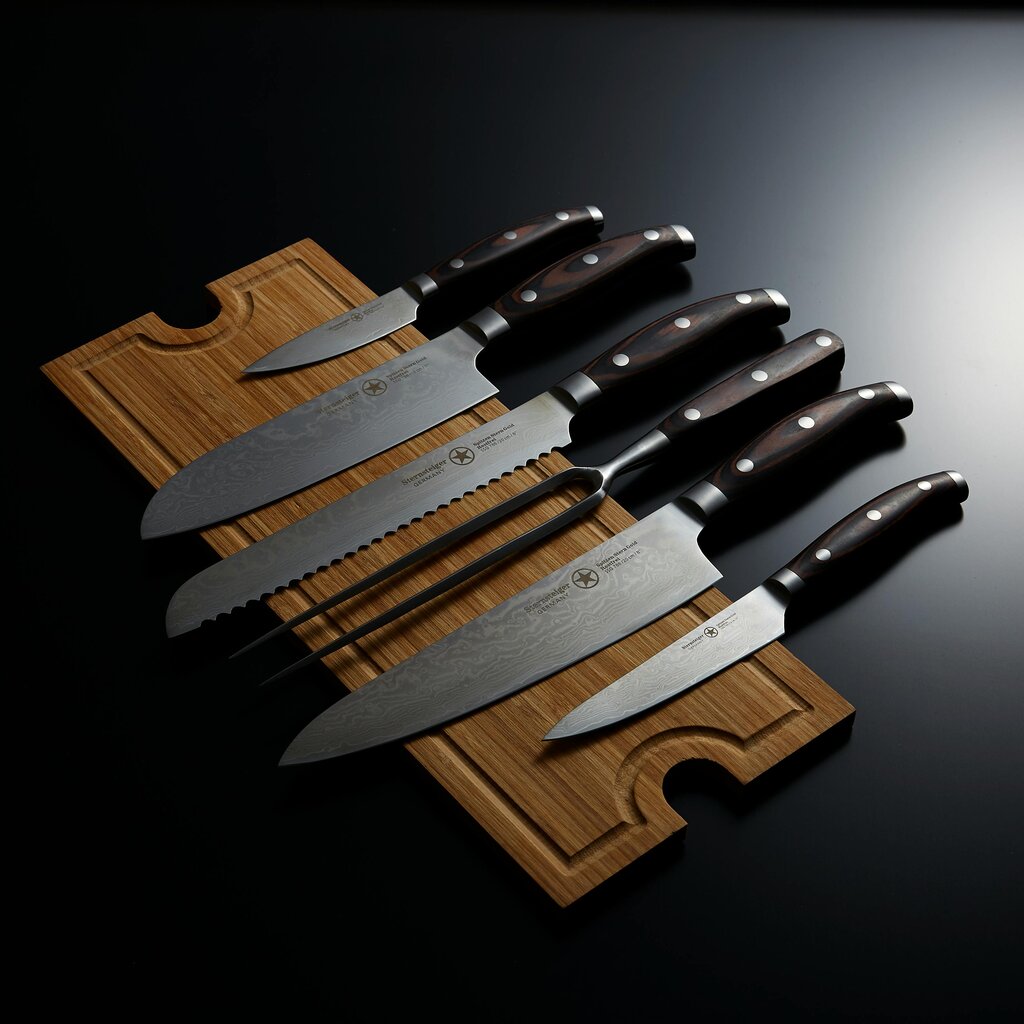
Alongside a chef's knife, a smaller paring knife is useful for more delicate tasks like peeling fruits or deveining shrimp. And of course, you'll need a sturdy cutting board to protect both your knife and your countertop. A vegetable peeler and a colander (for washing produce and draining pasta) round out the essentials for this stage.
Applying Heat
Now for the fun part: the actual cooking. For the stovetop, a few pieces of cookware will cover most of your needs. A skillet, also called a frying pan, has a flat bottom and sloped sides, making it ideal for frying, searing, and sautéing. A saucepan has taller, straight sides and is used for simmering sauces, cooking grains, and boiling liquids.
A larger stockpot is necessary for making soups, stocks, or boiling a big batch of pasta. For oven cooking, a simple baking sheet is incredibly versatile. You can use it for roasting vegetables, baking cookies, or even making sheet-pan dinners. A 9x13 inch baking dish is another staple, perfect for casseroles, lasagna, and baked desserts.
Let's check what you've learned about these foundational tools.
Which knife is considered the most versatile "workhorse" of the kitchen, suitable for a wide range of tasks from chopping vegetables to slicing meat?
You are making a pancake batter and need to scrape the last bits from the side of the bowl to ensure everything is evenly combined. Which tool is best suited for this task?
With these items, you are well-equipped to begin your cooking journey. Focus on getting comfortable with what each tool does, and you'll build a solid foundation for your skills in the kitchen.