Mastering Your Inbox Zero
Understanding Email Overload
The Never-Ending Inbox
That little red notification bubble. It seems harmless, but it represents a constant stream of demands on your attention. Each new email is a potential task, a question to answer, or information to process. When they pile up, it can feel like you’re falling behind before your day has even started. This feeling has a name: email overload.
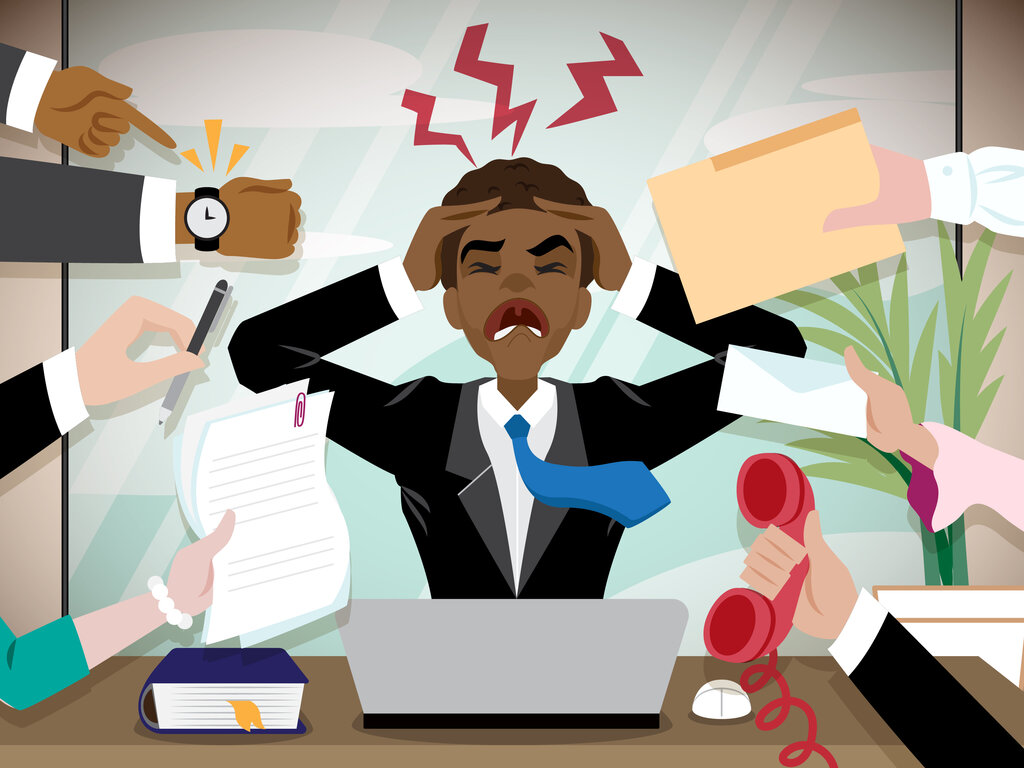
It’s not just a feeling. Studies show the average professional receives over 120 emails per day. Sifting through this digital mail takes up a significant chunk of the workday, often more than two hours. The constant alerts pull our focus away from important tasks, a phenomenon known as context switching. Every time you stop what you're doing to check an email, your brain has to disengage and then re-engage. This mental gear-shifting drains energy and makes it harder to do deep, concentrated work.
The result is a drop in productivity and a spike in stress. An overflowing inbox acts as a constant, visual reminder of unfinished work. It creates a sense of obligation that can follow you even after you’ve logged off for the day.
An overstuffed email inbox can cause a lot of stress, and if our unread emails continue to pile up, the anxiety will, too.
How Did We Get Here
So, why do our inboxes get so out of control? It's usually a mix of factors. A major culprit is the sheer volume of messages that aren't urgent or directly actionable. Think of marketing newsletters, company-wide announcements, and automated notifications from apps. These messages create digital noise that buries the emails that actually matter.
Another common issue is using the inbox as a catch-all storage system. Many people leave emails in their inbox as a reminder to do something later. This turns your email into a disorganized to-do list, where important tasks get lost among newsletters and old conversations. Being copied on emails that don’t require your input also adds to the clutter, creating a “fear of missing out” that keeps us tethered to notifications.
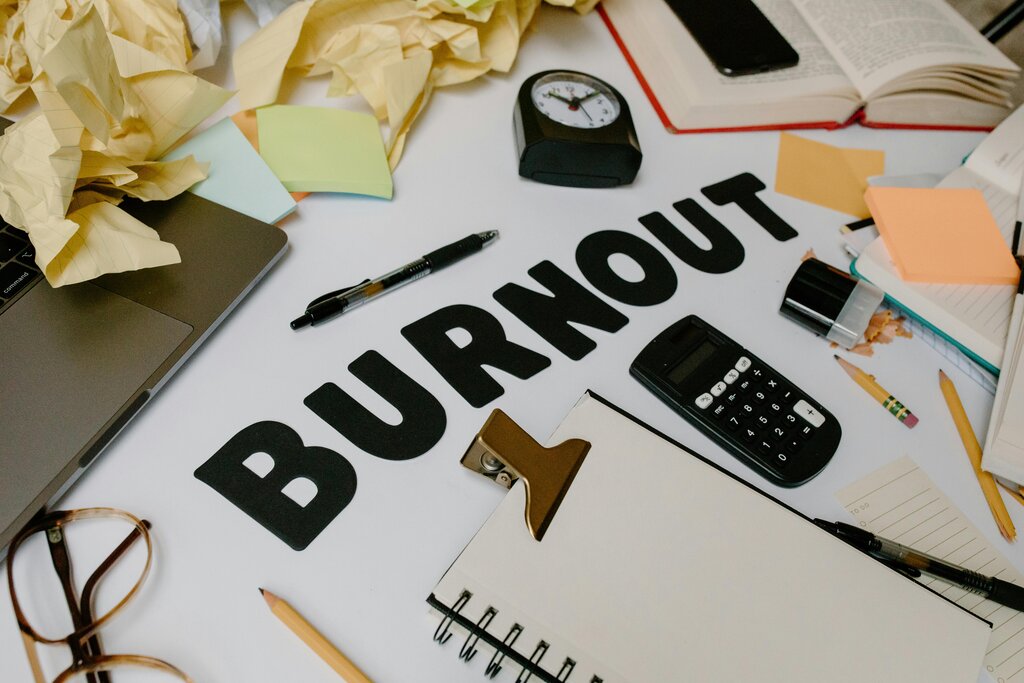
When your primary workspace is cluttered with unread messages and unresolved tasks, it’s easy to feel like you're constantly fighting a losing battle. Understanding these causes is the first step toward reclaiming your focus. It’s not about finding more hours in the day, but about managing your digital environment more effectively.