Mastering Your Inbox Zero
Understanding Email Overload
The Weight of Your Inbox
That little number next to your email icon keeps climbing. Each new message feels like another task added to an endless list. This feeling of being overwhelmed by a high volume of email is called email overload. It happens when the sheer quantity and pace of incoming messages outstrips our ability to manage them.
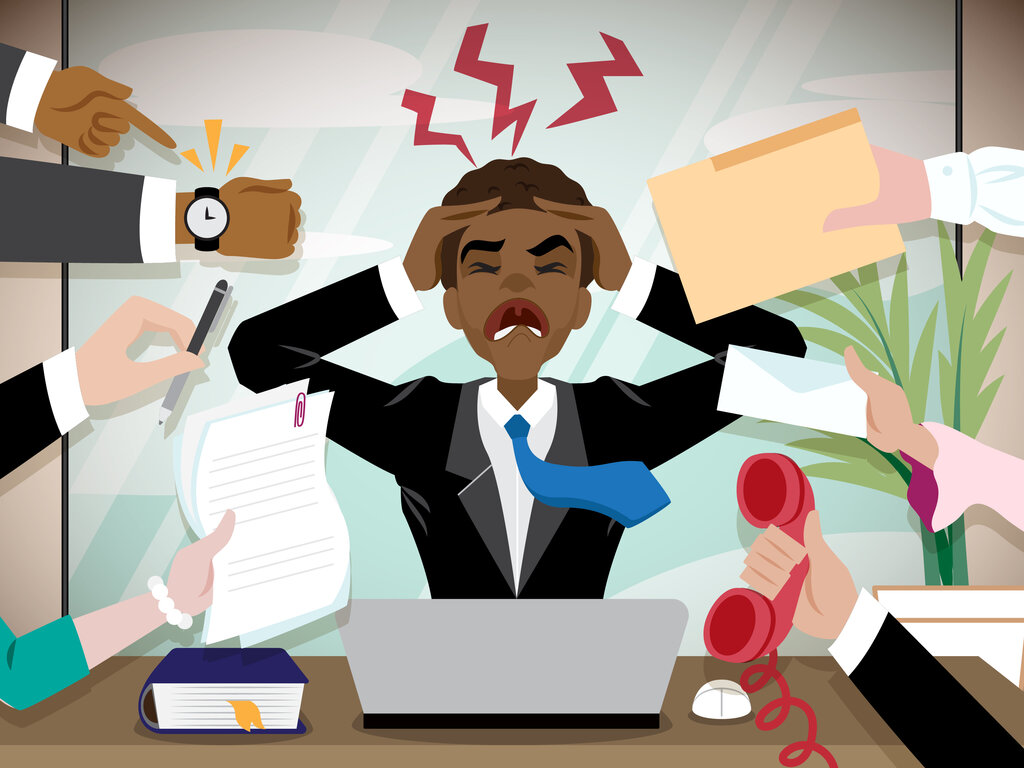
Several factors contribute to this digital deluge. We receive a constant stream of messages: internal communications, client requests, newsletters we vaguely remember signing up for, and an endless supply of spam. Modern work culture often adds to the pressure with an unspoken expectation for immediate replies, turning our inboxes into a real-time chat service.
Email is also frequently misused. Complex project discussions that belong in a dedicated management tool unfold over confusing, multi-person threads. Quick questions that could be answered in a brief chat become formal emails, adding to the clutter.
An overstuffed email inbox can cause a lot of stress, and if our unread emails continue to pile up, the anxiety will, too.
The Hidden Costs
The impact of email overload goes beyond a messy inbox. It has real psychological costs. Constantly seeing a high number of unread emails can trigger a low-grade stress response, making you feel like you're always behind. This is a form of cognitive overload, where your brain is trying to process more information than it can handle effectively.

Each email, no matter how small, requires a decision. Do I reply now? Do I save this for later? Do I delete it? Making hundreds of these micro-decisions every day leads to decision fatigue, depleting your mental energy for more important work.
Productivity suffers dramatically. The average office worker receives over 120 emails a day and can spend more than two hours managing them. Every time an email notification pops up, it pulls your focus away from your current task. Research shows it can take over 20 minutes to fully regain concentration after an interruption. These constant context switches add up, breaking your workflow and reducing the quality of your work.
One of the biggest contributors to mental overload is decision fatigue.
Understanding that email overload is a systemic problem, not a personal failing, is the first step. By recognizing its causes and effects, you can begin to build a healthier relationship with your inbox.