Mastering Your Inbox Zero
Understanding Inbox Zero
The Myth of the Full Inbox
Does your email inbox feel like a to-do list that other people get to write? For many of us, it’s a constant source of low-grade anxiety. Each unread message is another task, another demand on our time, another mental tab left open. A full inbox isn't a sign of importance; it's a sign of overload.

This is where the 'Inbox Zero' methodology comes in. It’s a system for managing email with a simple, powerful goal: to keep your inbox empty. This doesn't mean having zero emails. It means that every message has been processed and is no longer lingering in the inbox itself. Think of it less as a cleaning tactic and more as a workflow philosophy.
The goal of Inbox Zero isn't to spend zero time on email. It's to spend zero mental energy on your inbox when you're not actively working on it.
Why a Clear Inbox Matters
Maintaining a clear inbox has significant psychological benefits. When your inbox is empty, it means every message has been seen, evaluated, and moved to its proper place. This process closes what psychologists call "open loops"—the unfinished tasks and nagging thoughts that drain our cognitive resources. By dealing with emails decisively, you reduce the background hum of anxiety that comes from knowing there's a pile of unresolved communications waiting for you.
The result is improved mental clarity and focus. Instead of constantly being distracted by the need to check and re-check your inbox, you can dedicate your full attention to the task at hand. This shift transforms email from a source of stress into a simple tool for communication.
It’s important to recognize that clutter isn’t limited to unread emails or stacks of papers piling up–it can build up as a result of repetitive tasks, lack of focus, and general disorganization.
Addressing Common Challenges
Most people struggle to manage their email for a few common reasons. The sheer volume can be overwhelming, and every message requires a decision: Reply now? Save for later? Delete? This leads to decision fatigue, where we simply start ignoring messages because it’s easier than dealing with them.
Another challenge is using the inbox as a storage folder or a to-do list. This mixes new, unread messages with items that require future action and things you just want to save. The Inbox Zero approach directly addresses this by forcing you to process each email as it arrives, turning your inbox back into what it was designed to be: a temporary holding place for incoming messages.
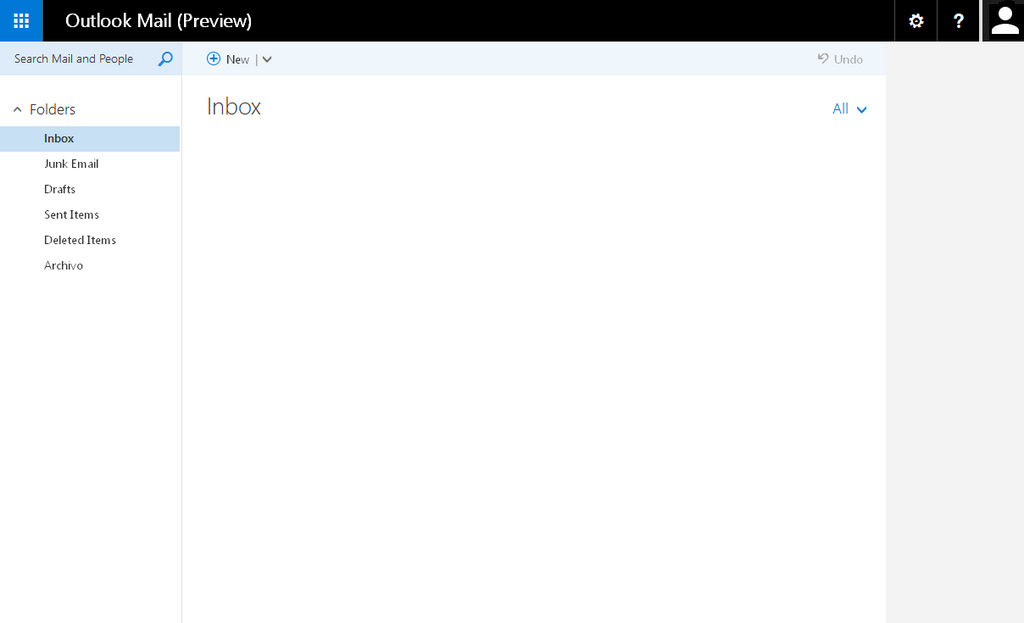
Time to check your understanding of the core ideas behind Inbox Zero.
What is the primary goal of the 'Inbox Zero' methodology?
According to the text, what is a key psychological benefit of maintaining an empty inbox?
By understanding the philosophy, you're ready to learn the specific actions that make it a reality.