Mastering Your Garden
Soil Health
The Foundation of Your Garden
Before you plant a single seed, it pays to look down. The ground beneath your feet is more than just dirt; it’s a complex ecosystem that will either support your garden or hold it back. The foundation of any successful garden lies in its soil.
The foundation of any successful garden is good soil.
Soil is a mix of three main mineral particles: sand, silt, and clay. Sand particles are the largest, feeling gritty to the touch. Silt particles are smaller and feel smooth like flour. Clay particles are the smallest and feel sticky when wet. Most soils are a combination of all three, and this mix determines your soil's texture. The ideal texture for most plants is loam, which has a balanced mix of sand, silt, and clay.
You can get a rough idea of your soil type with a simple jar test. Fill a large mason jar about two-thirds full of water, then add soil until the jar is almost full. Screw the lid on tightly and shake it vigorously for a few minutes until all the clumps have broken apart. Then, let it sit undisturbed for 24 hours.
The soil will settle into distinct layers. The bottom layer will be the heavier sand, the middle layer will be silt, and the fine clay particles will form the top layer. Measuring the relative thickness of these layers gives you a good estimate of your soil's composition.
Knowing your soil type helps you understand how it holds water and nutrients. Sandy soils drain quickly, while clay soils can become waterlogged. Loam offers the best of both worlds.
The pH Factor
Beyond its texture, your soil has a chemical property called pH, which measures how acidic or alkaline it is. The pH scale runs from 0 to 14. A pH of 7 is neutral. Anything below 7 is acidic, and anything above 7 is alkaline.
Why does this matter? Soil pH directly affects a plant's ability to absorb nutrients. Even if your soil is rich in nutrients, a pH that’s too high or too low can “lock” them up, making them unavailable to your plants. Most plants thrive in a slightly acidic to neutral range, typically between 6.0 and 7.0.
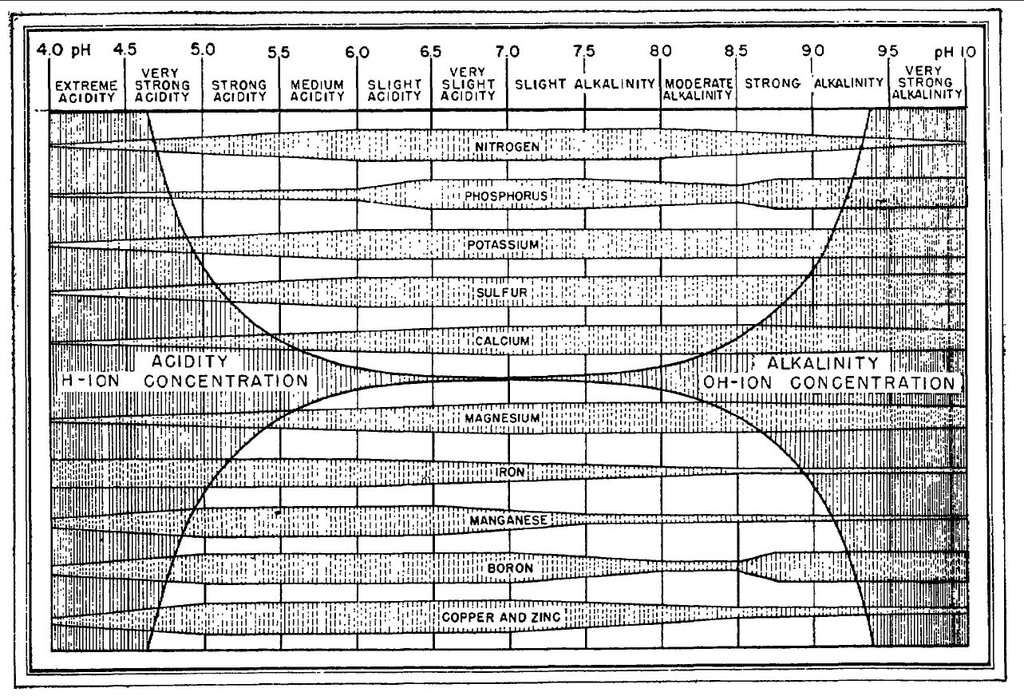
You can find simple, inexpensive soil pH test kits at any garden center. Once you know your pH, you can adjust it if needed. To raise the pH of acidic soil (make it more alkaline), you can add lime. To lower the pH of alkaline soil (make it more acidic), you can add sulfur or acidic organic matter like pine needles.
Enriching Your Soil
Regardless of your soil’s texture or pH, nearly every garden can benefit from one thing: more organic matter. Organic matter is the decomposed material from once-living organisms, like plants and animals. The best source for your garden is compost.
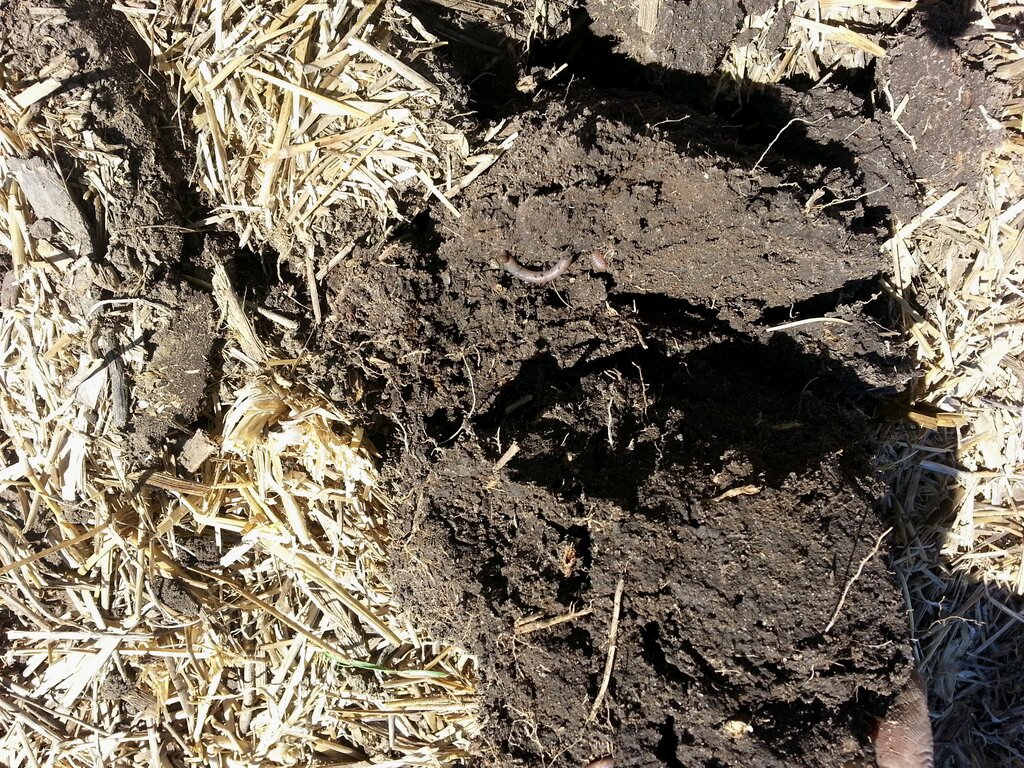
Compost is a dark, crumbly, and earthy-smelling material that works wonders for soil health. It improves the structure of any soil type. In clay soils, it helps separate the dense particles, improving drainage and aeration. In sandy soils, it acts like a sponge, helping to retain water and nutrients.
Adding compost also feeds the vast community of microorganisms in the soil. These bacteria, fungi, and earthworms are essential for breaking down organic matter and releasing nutrients in a form that plants can use.
Protecting Your Soil
Once you've started improving your soil, you'll want to protect it. Two excellent techniques for this are mulching and planting cover crops.
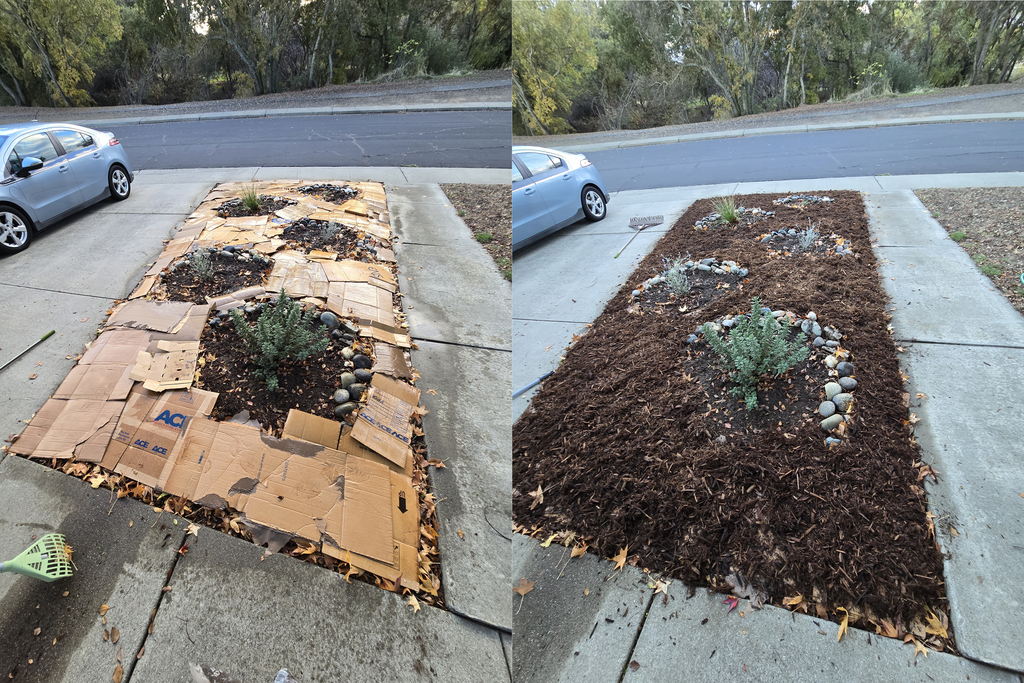
Mulching is simply covering the soil surface around your plants with a layer of material.
Organic mulches like wood chips, straw, or shredded leaves are great options. As they slowly break down, they continue to add organic matter to the soil. Mulch helps retain soil moisture by reducing evaporation, suppresses weeds by blocking sunlight, and moderates soil temperature, keeping it cooler in summer and warmer in winter.
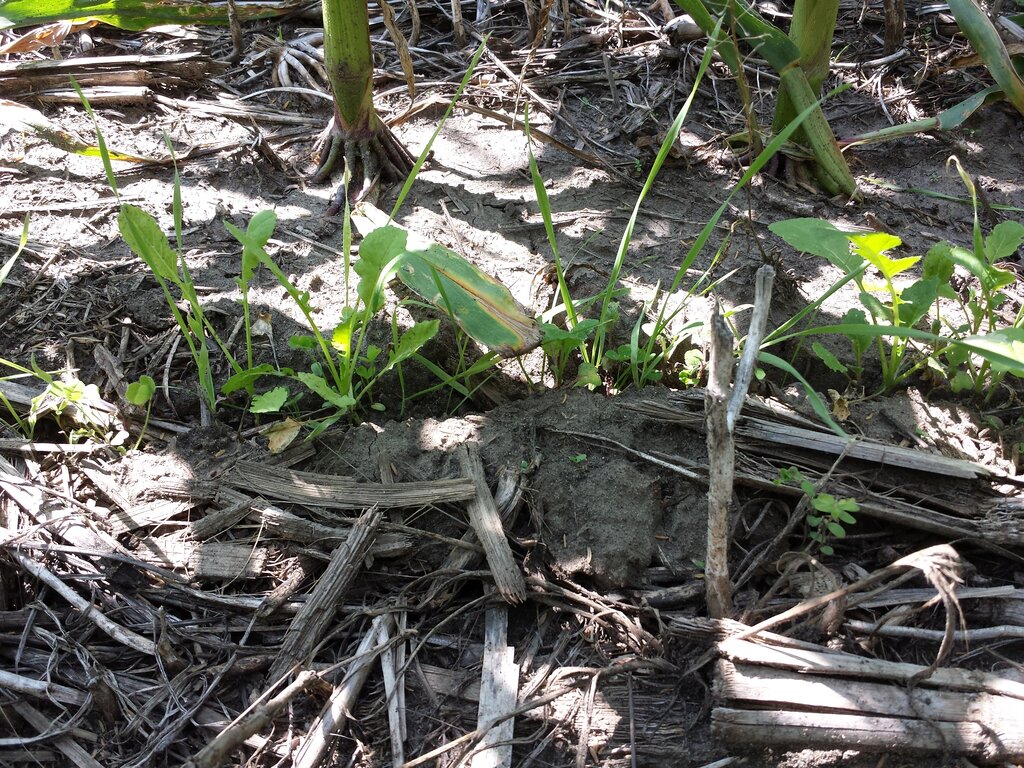
Cover crops, sometimes called "green manure," are plants grown to cover the soil rather than for harvest. They are typically planted in the off-season when garden beds would otherwise be bare.
Plants like clover, vetch, and winter rye protect the soil from erosion caused by wind and rain. Their roots help to break up compacted soil, improving its structure. When it's time to plant your main garden, the cover crop is cut down and tilled into the soil, where it decomposes and adds a fresh dose of organic matter and nutrients.
Time to see what you've learned about building a healthy foundation for your garden.
What are the three main mineral particles that determine a soil's texture?
A soil pH of 5.5 is considered:
By focusing on the health of your soil, you're setting your garden up for success from the ground up.