Mastering Your Facial Cleansing Routine
Skin Anatomy
Your Skin's Three Layers
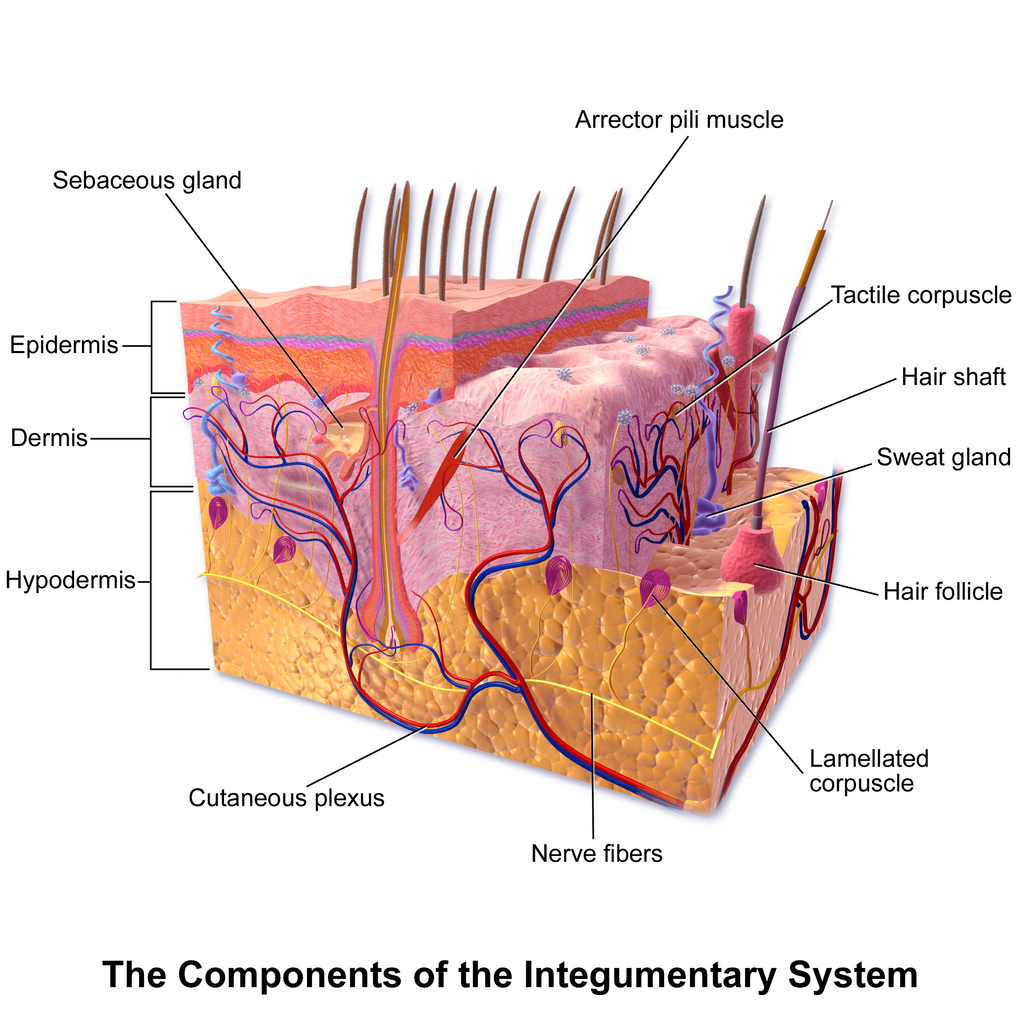
Your skin is your body's largest organ, a complex system working around the clock. It’s not just a simple covering; it’s organized into three main layers, each with a specific job. From top to bottom, they are the epidermis, the dermis, and the hypodermis. Together, they form a dynamic barrier that protects you, helps you feel the world, and regulates your body's internal environment.
The Epidermis: Your Outermost Shield
The epidermis is the layer you can see and touch. It's your body's primary defense against the outside world, from sunlight and bacteria to pollution. This layer is remarkably thin, about the thickness of a sheet of paper on most of your body. It's made up of cells called keratinocytes, which are born at the bottom of the epidermis and gradually travel to the surface.
As these cells move upward, they mature, harden, and eventually die, forming a tough, protective outer layer called the stratum corneum. This process is a continuous cycle of renewal, with old cells shedding to make way for new ones. This constant turnover helps repair damage and maintain a strong defense.
Primarily consisting of multilayered keratinocytes, the epidermis is continuously renewed by proliferation of stem cells and the differentiation of their progeny, which undergo terminal differentiation as they leave the basal layer and move upward toward the surface, where they die and slough off.
Embedded within this top layer is the skin barrier, also known as the acid mantle. Think of it as a delicate, invisible film made of natural oils (lipids) and sweat. This barrier has two critical functions: it locks moisture in to keep your skin hydrated and supple, and it keeps harmful microbes and irritants out. A healthy, functioning skin barrier is crucial for calm, comfortable skin.
The Dermis: The Busy Layer Below
Beneath the epidermis lies the dermis, a much thicker and more complex layer. If the epidermis is the shield, the dermis is the command center and supply hub. It's a dense network of connective tissue, primarily made of two proteins: collagen, which provides strength and structure, and elastin, which gives the skin its flexibility and snap.
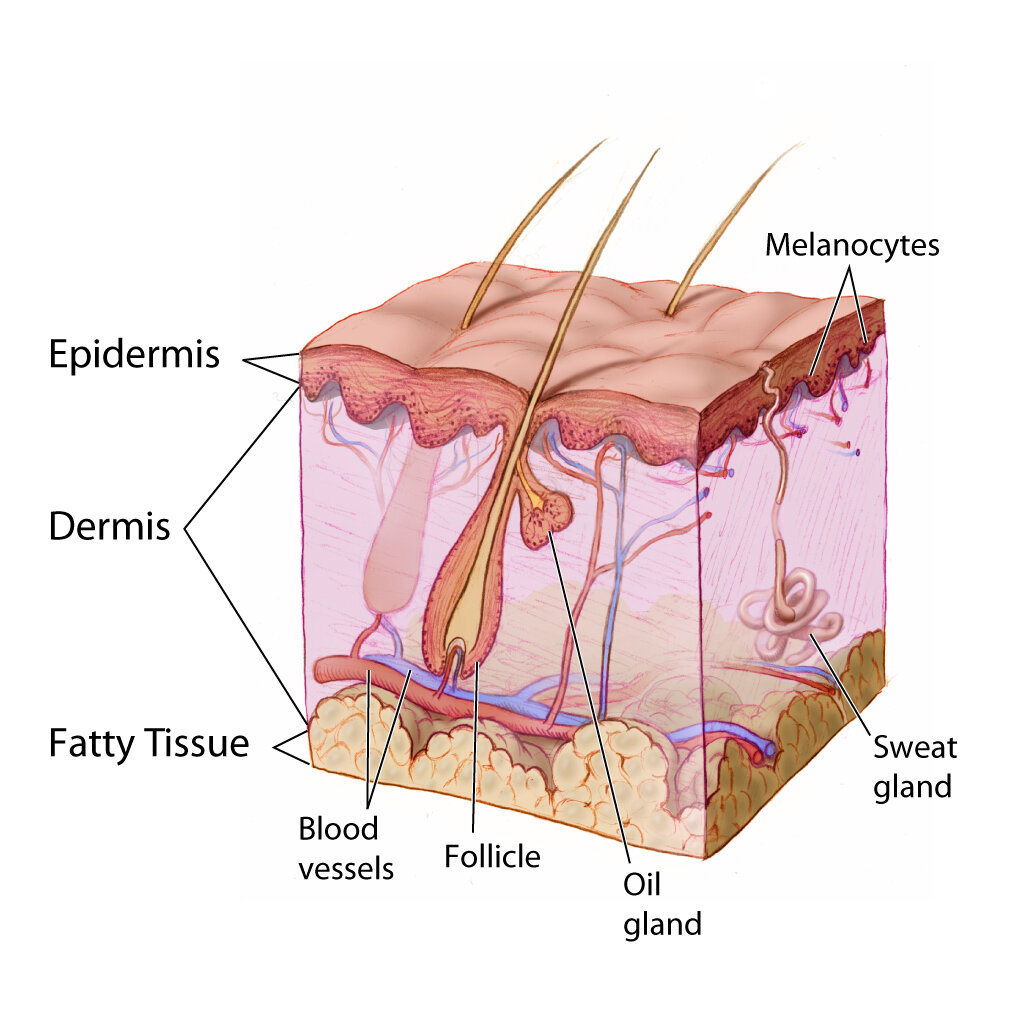
This layer is bustling with activity. It contains blood vessels that deliver oxygen and nutrients to the epidermis, and nerve endings that allow you to feel touch, pressure, and temperature. The dermis is also home to important structures like hair follicles, where hair growth begins, and two types of glands: sebaceous glands, which produce the natural oil (sebum) for your skin barrier, and sweat glands, which help regulate your body temperature.
The Hypodermis: The Foundation
The deepest layer is the hypodermis, also known as the subcutaneous tissue. It's not technically part of the skin, but it connects the skin to the underlying muscles and bones. This layer is primarily made of fat and connective tissue.
The hypodermis acts as a shock absorber, protecting your internal organs from impact. It also insulates your body, helping to maintain a stable temperature, and serves as an energy reserve. The thickness of this layer varies across the body and between individuals.
Ready to test your knowledge? Let's see what you've learned about the skin's structure.