Mastering Your ESG Course Report
Understanding ESG Principles
What is ESG?
You’ve probably heard the term ESG in conversations about business, investing, or the environment. It’s more than just a corporate buzzword. ESG stands for Environmental, Social, and Governance, and it provides a framework for looking at a company’s performance beyond its balance sheet.
ESG
noun
A set of standards for a company’s operations that socially conscious investors use to screen potential investments. Environmental criteria consider how a company performs as a steward of nature. Social criteria examine how it manages relationships with employees, suppliers, customers, and the communities where it operates. Governance deals with a company’s leadership, executive pay, audits, internal controls, and shareholder rights.
Traditionally, the health of a business was measured almost entirely by financial metrics like profit, revenue, and market share. ESG adds a new layer to that analysis. It asks different questions: How does the company impact the planet? How does it treat its people and the wider community? Is it run in a fair and transparent way?
Thinking about these factors helps investors, customers, and even employees get a more complete picture of a company's long-term viability and ethical standing. It’s a shift from focusing solely on short-term profits to considering long-term, sustainable value.
Environmental, social, and governance (ESG) criteria are now central to project planning.
The Three Pillars
ESG is broken down into three distinct but interconnected categories. A company might be strong in one area but have work to do in another. Understanding each pillar is key to understanding the whole picture.
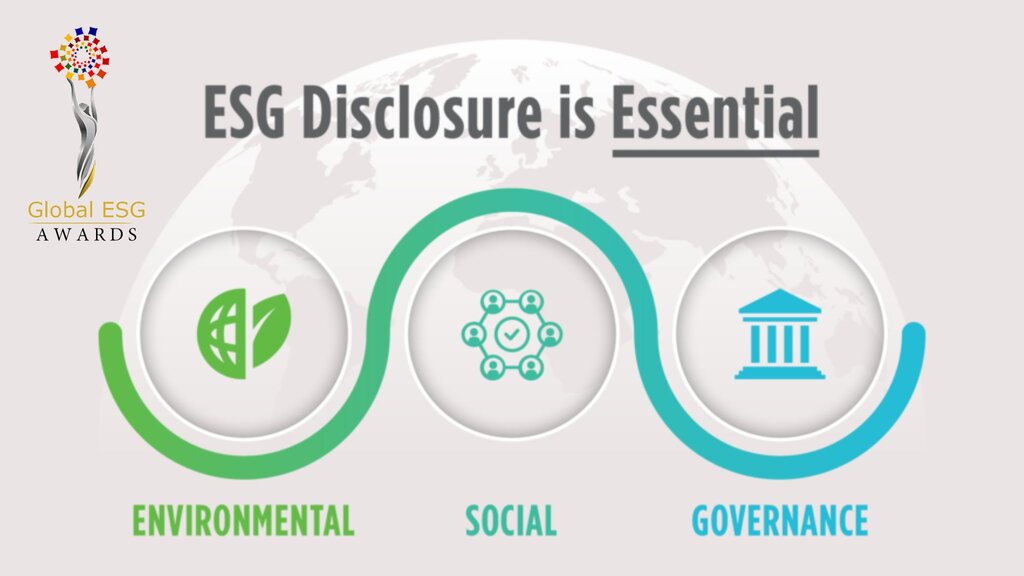
The Environmental pillar looks at a company’s relationship with the natural world. This includes its impact on climate change through greenhouse gas emissions, its use of natural resources like water and minerals, and its approach to pollution and waste. It’s about being a responsible steward of the planet.
The Social pillar focuses on people. It examines how a company manages its relationships with its employees, suppliers, customers, and the communities where it operates. Key issues include labor standards, health and safety, diversity and inclusion, customer satisfaction, and data security. Essentially, does the company contribute positively to society?
The Governance pillar deals with how a company is led and managed. This involves the systems and processes that guide its decision-making. Topics include the composition of its board of directors, executive compensation, shareholder rights, and its policies on bribery and corruption. Good governance is the foundation for accountability and transparency.
Why Bother With ESG?
Integrating ESG principles into a business strategy isn't just about feeling good; it has tangible benefits. Companies with strong ESG performance often find they are more resilient, innovative, and better prepared for the future.
One major benefit is improved financial performance. Managing resources efficiently (Environmental) can cut costs. Treating employees well (Social) can lead to higher productivity and lower turnover. Strong oversight (Governance) can prevent costly scandals and legal troubles. Investors are taking note, and many now see strong ESG practices as a sign of a well-run company that is likely to perform well over the long term.
ESG criteria can also help investors avoid companies that might pose a greater financial risk due to their environmental or other practices.
Another key advantage is enhanced brand reputation. Today’s consumers and employees are more conscious of where they spend their money and where they work. Companies that demonstrate a real commitment to sustainability and ethical practices can attract top talent and build strong loyalty with customers. A positive public image is a powerful asset.
Finally, a focus on ESG encourages better risk management. It pushes companies to think about potential threats that aren’t on a typical financial statement, like the risks of climate change, supply chain disruptions, or shifts in regulation. By proactively addressing these issues, businesses can become more adaptable and secure their place in a changing world.
Ready to check your understanding of these core concepts?
What does the acronym ESG stand for?
Which of the following issues falls primarily under the 'Social' pillar of ESG?
By understanding the three pillars and their benefits, you have a solid foundation for exploring how ESG is put into practice.