Mastering Your Dopamine Detox
Understanding Dopamine
The Molecule of More
You've probably heard of dopamine. It’s often called the “pleasure chemical,” but that’s a bit of a misunderstanding. While it is connected to feeling good, its main job is something more subtle and powerful: motivation.
dopamine
noun
A type of neurotransmitter that your body makes. It plays a role in how we feel pleasure, but is more critically involved in motivation, learning, and motor control.
Think of neurotransmitters as chemical messengers in your brain. Neurons, or nerve cells, send signals to each other across tiny gaps called synapses. Dopamine is one of the messengers that carries a signal across that gap. It tells the next neuron what to do.
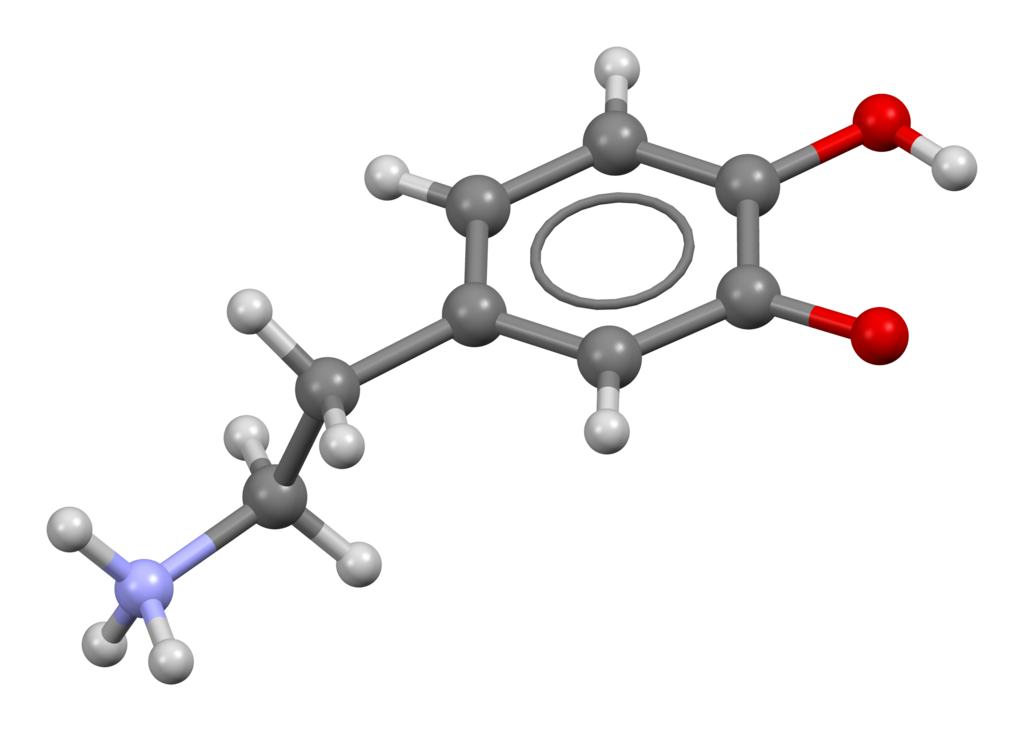
So what message does dopamine carry? Primarily, it carries the message of anticipation and desire. It’s the chemical that says, “Pay attention, this is important for your survival or well-being.” It’s less about the pleasure of having something and more about the motivation to get it. Dopamine drives you to seek out things you need or want, from a glass of water when you're thirsty to finishing a project for a sense of accomplishment.
The Brain's Reward System
Your brain has a built-in system to encourage life-sustaining behaviors like eating and socializing. This is often called the reward system or reward pathway. When you do something that your brain perceives as beneficial, it releases a little burst of dopamine. That burst feels good, and it teaches your brain to repeat the behavior that caused it.
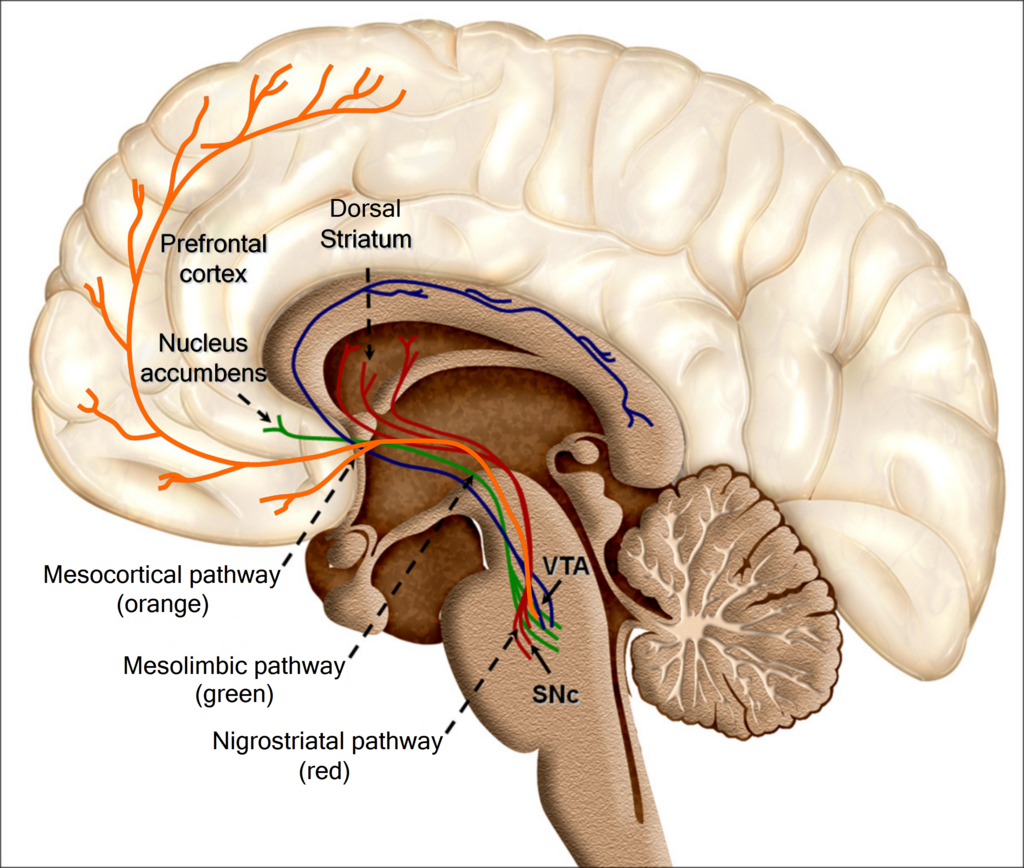
This system involves several key brain areas connected by dopamine pathways. The main one is the mesolimbic pathway, which connects the Ventral Tegmental Area (VTA) to the Nucleus Accumbens. When you anticipate a reward, neurons in the VTA release dopamine into the Nucleus Accumbens. This creates the feeling of wanting and reinforces the behavior.
Dopamine isn't about pleasure itself. It's about the anticipation of pleasure. It's the seeking, not the finding.
This is why you might feel more excitement planning a vacation than you do on the vacation itself. Or why the thought of your favorite food can make your mouth water. That's dopamine at work, pushing you toward a potential reward.
When the System Goes Awry
Like any finely tuned system, the dopamine system can be thrown off balance. Our modern world is full of things that can trigger large, rapid dopamine releases far beyond what our ancestors experienced. Think of the constant notifications from your phone, highly processed foods engineered to be irresistible, or the endless scroll of social media. These are called “superstimuli.”
When the brain is constantly flooded with dopamine from these intense sources, it starts to adapt. It can reduce the number of dopamine receptors or become less sensitive to the chemical's effects. This is a protective mechanism called downregulation. The result? The same activities no longer provide the same amount of motivation or satisfaction. You need more and more stimulation to feel the same effect, and everyday, natural rewards can start to feel dull and uninteresting.
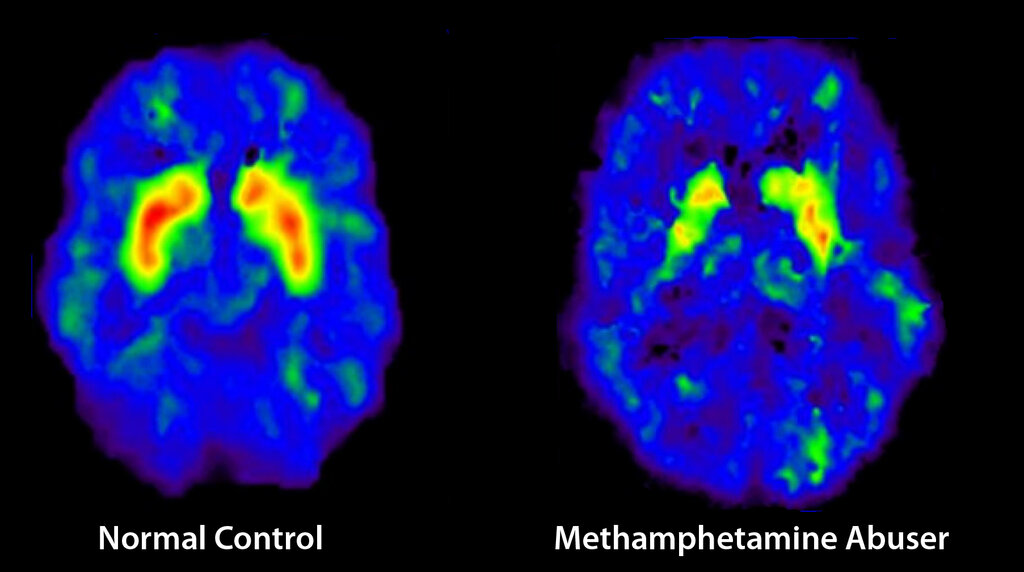
This state of desensitization can affect your focus, motivation, and overall mood. Things that used to bring you joy might seem less appealing, and you might find it harder to start tasks or feel driven. Your brain's baseline for what is considered “rewarding” has been artificially raised. Understanding this dynamic is the first step toward understanding why resetting this balance might be necessary.