Mastering Your Digital Footprint
Understanding Digital Footprints
Your Digital Footprint
Every time you use the internet, you leave behind a trail of data. This trail is your digital footprint. It includes everything from the photos you post on social media and the comments you leave on blogs to the websites you visit and the online articles you read. Think of it like walking on a sandy beach. Even after you've left, your footprints remain, showing where you've been.
Your digital footprint is the trail of information you leave across the internet — everything from social posts and photos to purchase histories, cookies, and search queries.
This digital trail isn't just one type of information. It's broadly divided into two categories: active and passive footprints. Understanding the difference is the first step toward managing your online presence.
Active vs. Passive Trails
Your active digital footprint is created when you intentionally share information about yourself. This is the data you knowingly post or submit. Examples include sending an email, publishing a blog post, or posting on a social media account. You are the one taking the action and creating the record.
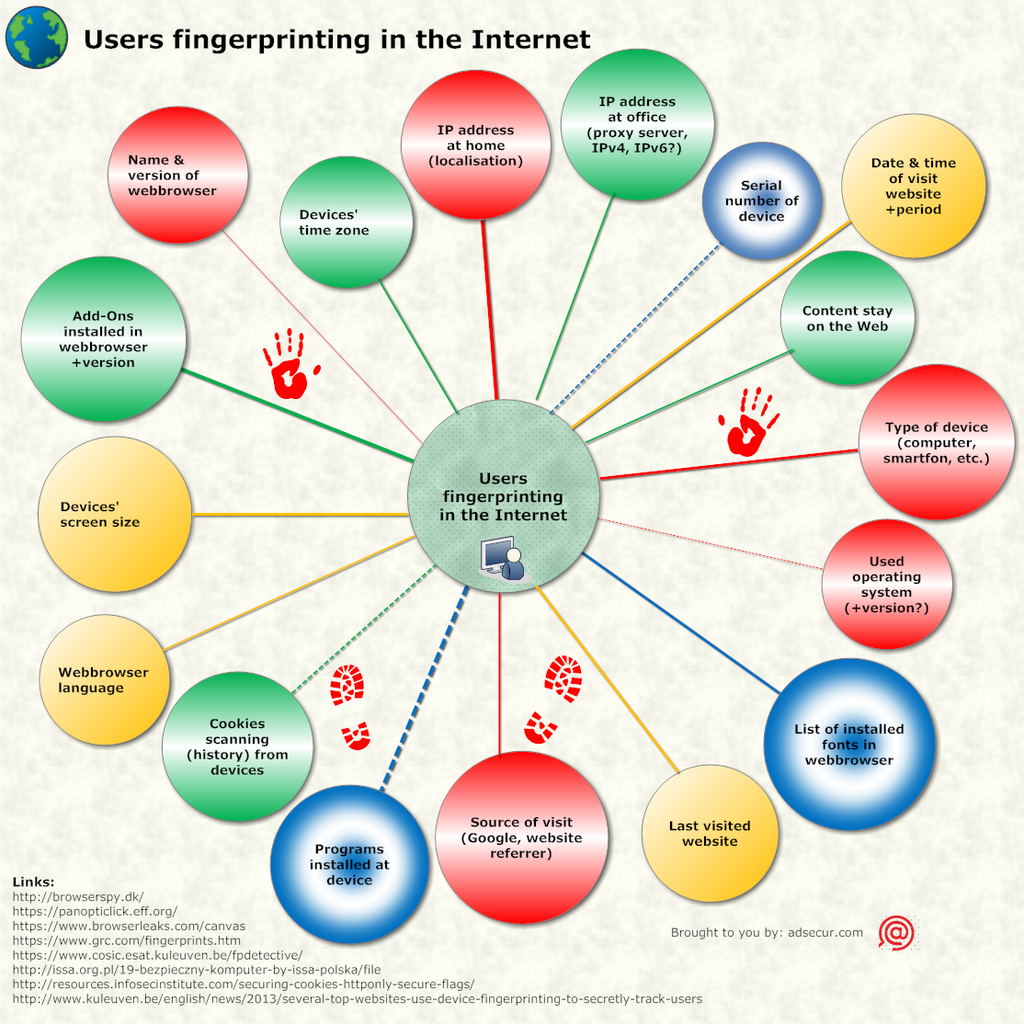
Your passive digital footprint is created without your direct action. Websites and apps collect this data in the background, often without you even realizing it. This includes information like your IP address, your browsing history tracked by cookies, and your location data collected by apps on your phone.
While you have control over your active footprint, your passive footprint is much harder to see and manage. It’s this combination of active and passive data that creates a detailed, and often permanent, profile of you online.
Why Your Footprint Matters
An unmanaged digital footprint can expose you to significant risks. Companies collect your data to build detailed profiles for targeted advertising, but this information can also be used in ways that harm you.
One major risk is reputational damage. A potential employer, a university admissions officer, or even a new acquaintance can easily search for you online. Old photos, controversial comments, or misleading information can surface years later and affect your personal and professional life. A joke from a decade ago might not land the same way today.
Another serious concern is identity theft. The more personal information you share online—your full name, birth date, hometown, or pet's name—the easier it becomes for criminals to piece together your identity. This data can be used to answer security questions, access your accounts, or even open new lines of credit in your name.
Finally, there's the gradual erosion of privacy. Your passive footprint, including your location history and browsing habits, paints an intimate picture of your life. This data can reveal your routines, political beliefs, health concerns, and social circles. When this information is collected, shared, or sold, you lose control over your personal narrative.
Consider the story of a teacher who was fired after a parent found photos of her holding a glass of wine on a personal social media page. Though the photos were taken legally on her own time, the school district deemed them "unprofessional," and the digital footprint had a real-world consequence.
In another case, a political candidate's campaign was derailed by comments they had made on an online forum over 15 years earlier. The posts were anonymous at the time, but investigators were able to link the old username back to the candidate.
These examples show that what happens online doesn't stay online. Your digital footprint is a permanent and public record that requires careful attention.
Check your understanding of these core concepts.
What is a digital footprint?
Which of the following is an example of an active digital footprint?
Understanding what your digital footprint is and the risks associated with it is the first step. Being mindful of the trail you leave is crucial for navigating the digital world safely.