Mastering Your Digital Footprint
Understanding Digital Footprints
Your Digital Trail
Every time you go online, you leave behind a trail of information. This trail is called your digital footprint. It includes everything from the photos you post and the websites you visit to the comments you leave and the articles you read. Think of it like footprints in the sand, but instead of washing away, these digital traces are collected and stored.
Every click, post, and account sign-up leaves a mark online, forming a "digital footprint"; a trail of data that can reveal much more about you than you might expect, especially when these pieces are combined.
Your digital footprint is built from hundreds of different activities. It’s the sum of your entire online life, creating a detailed picture of who you are, what you like, and how you spend your time.
Active vs. Passive Footprints
Your digital footprint has two parts: active and passive. Understanding the difference is key to managing your online identity.
An active digital footprint is the data you share intentionally. When you post a status update on social media, upload a video, or write a product review, you are consciously adding to your footprint. You know you are putting that information out into the world.
Examples of active footprints include sending an email, publishing a blog post, or commenting on a news article.
A passive digital footprint is the data collected without your direct action or awareness. Websites track which pages you view, how long you stay, and what you click on. Apps on your phone might collect location data in the background. This happens automatically as you browse the web or use different services.
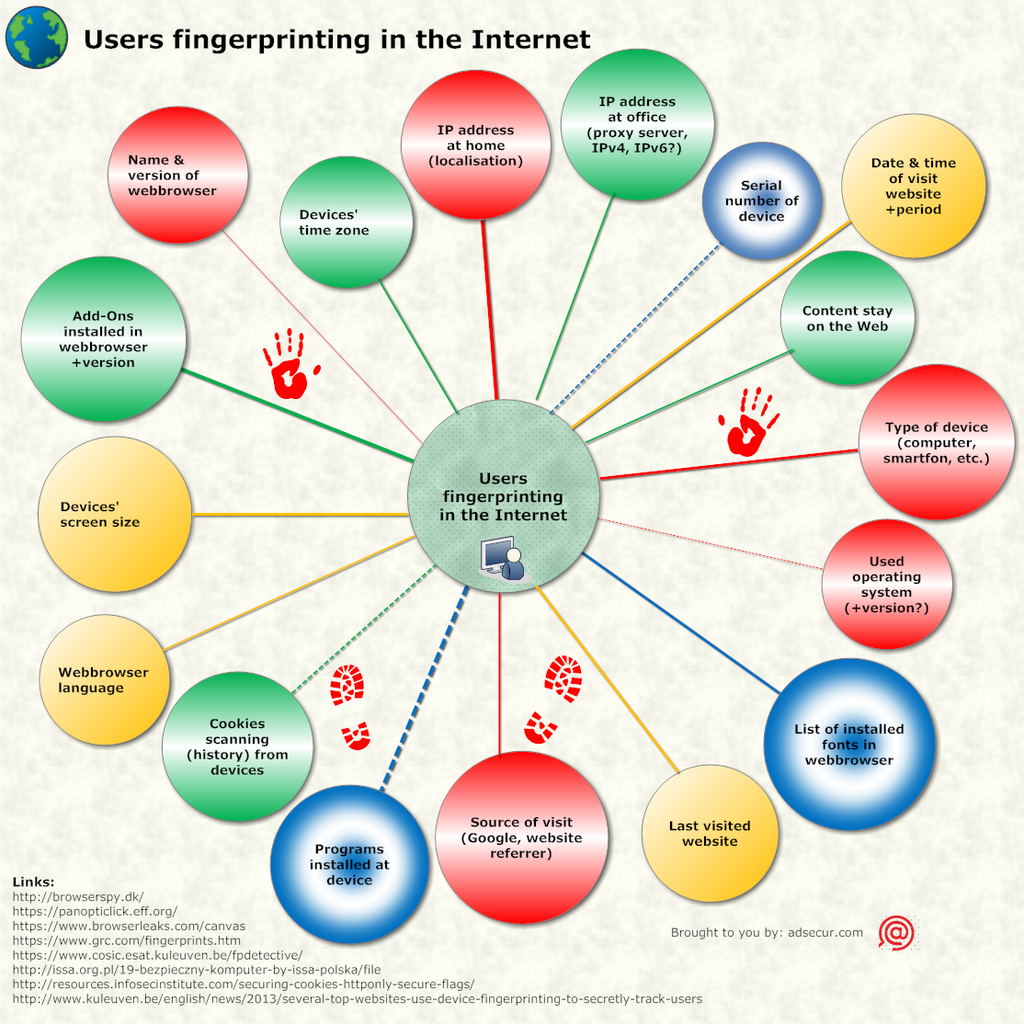
This passive data includes your IP address, your browsing history stored in cookies, and information about the device you're using. While you don't type this information out yourself, it's constantly being gathered as you navigate the internet.
Why Your Footprint Matters
Your digital footprint has real-world consequences for both your reputation and your privacy. From a reputation standpoint, what you've posted online can be seen by potential employers, college admissions officers, or just about anyone who searches for your name. A positive footprint can build a professional image, while a negative one can create obstacles.
For privacy, your footprint is a goldmine for companies. They use this data to build a profile about your interests, habits, and demographics to target you with personalized ads. While sometimes helpful, this collection of personal information can also make you more vulnerable to data breaches and identity theft.
Being aware of your digital footprint is the first step toward managing your online identity and protecting your personal information.
Ultimately, your digital footprint tells a story about you. By understanding what it is and how it's created, you gain more control over that narrative.