Mastering Your AI Assistant
Introduction to AI Assistants
Your Digital Helper
An AI assistant is a software program designed to help you with digital tasks. Think of it as a personal aide that lives in your phone, computer, or smart speaker. You can ask it questions, tell it to set reminders, or have it play your favorite song. Its main job is to understand your requests, whether you speak or type them, and then perform a specific action.
The goal is simple: make technology easier to use by allowing you to interact with it in a natural, human way.
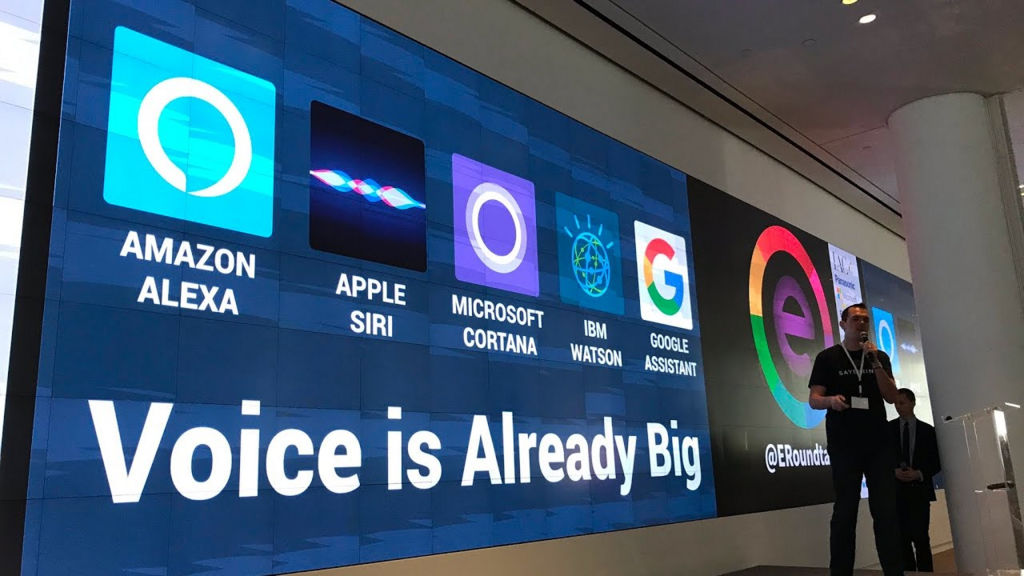
Assistants come in two main flavors. Voice-based assistants, like Siri or Google Assistant, respond to spoken commands. You might ask your phone, "What's the weather like today?" and get a spoken reply. Text-based assistants, often called chatbots, interact through typed messages. You've probably seen these on websites, popping up to ask if you need help finding something.
From Chatbots to Assistants
The idea isn't new. The journey began with early chatbots in the 1960s. One of the first, a program named ELIZA, could mimic a conversation by recognizing keywords in typed sentences and responding with simple, pre-programmed phrases. It was clever, but it didn't truly understand the conversation.
For decades, chatbots remained limited. They could only follow rigid scripts and struggled with the unpredictability of human language.
The big leap forward came with the rise of modern AI. When Apple introduced Siri in 2011, it marked a shift. This new kind of assistant could do more than just chat. It could connect to other apps and services to check the weather, schedule meetings, or find directions. Soon after, other major tech companies launched their own assistants, each one more capable than the last.
The Tech Behind the Talk
What allows an AI assistant to understand you? It’s not one single technology, but a combination of several working together. Three of the most important are Natural Language Processing, Machine Learning, and Data Analysis.
Natural Language Processing
noun
A field of artificial intelligence that enables computers to understand, interpret, and generate human language.
Natural Language Processing, or NLP, is what allows the assistant to break down your sentences into a format it can work with. It figures out the grammar, identifies key pieces of information (like dates, names, or locations), and determines your intent. When you say, "Remind me to call Mom at 5 PM," NLP helps the machine understand who to call and when to remind you.
Machine Learning (ML) is how the assistant gets smarter over time. Every time you interact with it, it learns a little more about your preferences, your accent, and the way you phrase things. This constant learning helps it make better predictions and provide more accurate responses in the future.
Finally, data analysis is how the assistant finds the information needed to fulfill your request. If you ask for the capital of France, it quickly analyzes vast amounts of data to find the answer. If you ask it to play a song, it accesses a music library's data to locate the right track.
Assistants at Work
AI assistants are used in many different areas. In customer service, chatbots handle common questions 24/7, freeing up human agents to focus on more complex issues. In healthcare, they can help patients book appointments or get reminders to take medication.
Modern AI applications—RAG systems, multimodal agents, and voice assistants—are more than models and prompts.
In the workplace, assistants help automate routine tasks like scheduling meetings or transcribing notes, which boosts productivity. For personal use, they act as a central hub for controlling smart home devices, managing calendars, and getting quick information without having to type or search.
| Industry | Common Application |
|---|---|
| Customer Service | Answering frequently asked questions |
| Healthcare | Scheduling appointments |
| Business | Automating administrative tasks |
| Personal Use | Controlling smart home devices |
Let's review what we've covered.
What is the primary function of an AI assistant?
Which technology is most responsible for allowing an AI assistant to get smarter and more accurate with each interaction?
Whether it's a simple chatbot or a sophisticated voice-activated system, the core purpose of an AI assistant is to bridge the gap between human language and machine action.