Mastering Yoga Instruction
Yoga Foundations
The Roots of Yoga
Yoga is far more than a set of physical postures. It’s an ancient practice for holistic well-being that originated in India over 5,000 years ago. While its exact origins are debated, artifacts depicting yoga-like poses have been found in the Indus Valley Civilization.
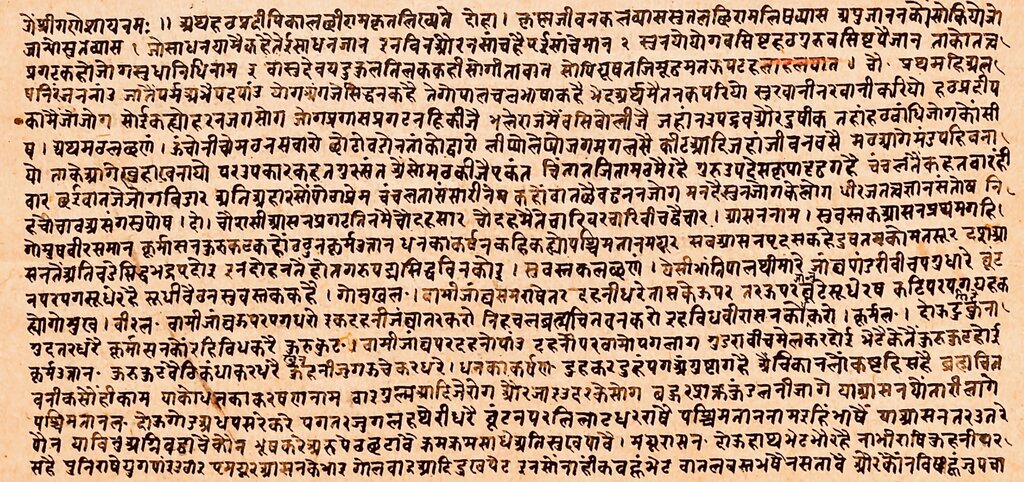
The earliest written mentions of yoga appear in the Vedas, ancient sacred texts. However, the practice was systemized much later by the sage Patañjali in the Yoga Sutras, a collection of 196 aphorisms. This text is a foundational guide to the philosophy and practice of yoga, outlining a path to inner peace and spiritual growth.
Core Philosophy
The word "yoga" comes from the Sanskrit root "yuj," which means "to yoke" or "to unite." The ultimate goal is to unite the body, mind, and spirit.
Yoga
noun
A spiritual and ascetic discipline, a part of which, including breath control, simple meditation, and the adoption of specific bodily postures, is widely practiced for health and relaxation.
Patañjali’s Yoga Sutras describe an eight-limbed path, known as Ashtanga Yoga, that serves as a guideline for living a meaningful and purposeful life. These limbs are not sequential steps but rather interconnected aspects of a whole practice. They range from ethical principles (Yamas and Niyamas) and physical postures (Asana) to breathing techniques (Pranayama) and meditation (Dhyana), culminating in a state of enlightenment (Samadhi).
The practice of yoga is not about perfecting a pose. It's about creating a deeper connection with yourself and the world around you.
An Overview of Styles
Over thousands of years, yoga has evolved into many different styles. Most modern forms of yoga practiced today are variations of Hatha yoga, which refers to the physical practice of yoga. Here are a few popular styles you will encounter.
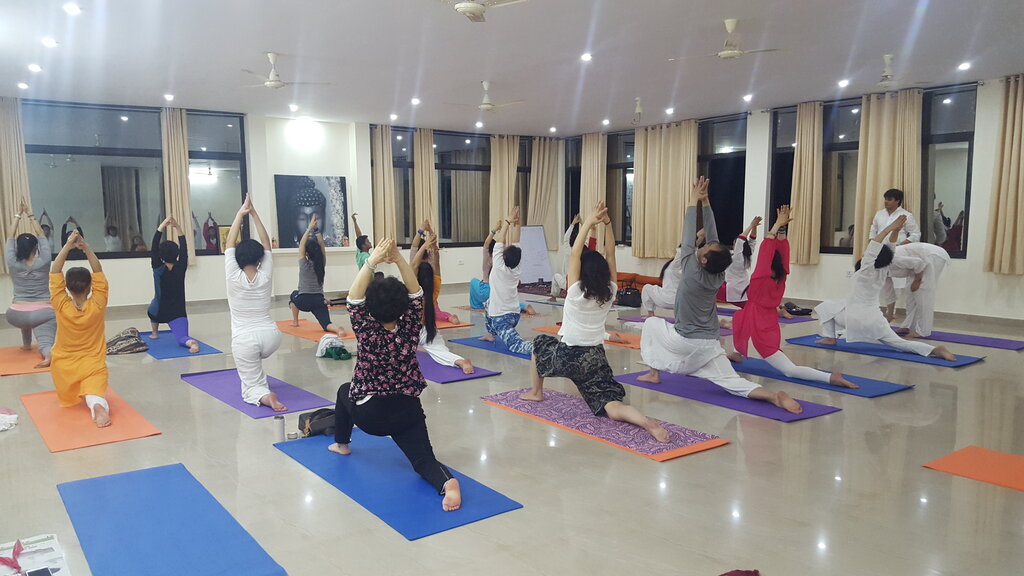
Understanding the nuances of each style will help you find the right fit for your future students.
| Style | Pace & Intensity | Key Focus |
|---|---|---|
| Hatha | Slow and gentle | Foundational poses held for several breaths, focus on alignment. |
| Vinyasa | Flowing and dynamic | Linking breath to movement, creating a continuous flow between poses. |
| Ashtanga | Vigorous and structured | A specific, challenging sequence of poses practiced in the same order every time. |
Hatha is often a great starting point for beginners because of its slower pace. Vinyasa classes are known for their creative and fluid sequences, while Ashtanga appeals to those who enjoy routine and a physically demanding practice. Many other styles exist, such as Iyengar, Bikram, and Restorative, each offering a unique approach to the practice.
Now, let's test your knowledge of these core concepts.
The earliest written mentions of yoga are found in which ancient sacred texts?
The Sanskrit root "yuj," from which the word "yoga" is derived, means to ______.
With this foundational knowledge, you are ready to delve deeper into the specific elements of practice and teaching.