Mastering WSET Level 3 Wine Styles
Advanced Viticulture
The Climate Connection
Climate is a winemaker's most influential partner. It's often broken down into three scales. The macroclimate refers to the broad climate of a wine-growing region, like the hot, dry summers of Napa Valley. The mesoclimate is the climate of a specific vineyard, which can be affected by its slope, elevation, and proximity to water. Finally, the microclimate is the climate within and around a single vine's canopy, influenced by things like leaf cover.
Temperature is critical. It dictates which grape varieties can thrive. Cool climates, like Germany's Mosel region, preserve the high acidity needed for crisp Riesling. Grapes here ripen slowly, developing complex flavors without becoming overly sugary. In contrast, warm climates like Australia's Barossa Valley allow grapes like Shiraz to fully ripen, developing rich, jammy fruit flavors and higher alcohol levels. Sunlight is the engine for photosynthesis, creating the sugars that yeast will later convert to alcohol. But too much sun and heat can bake grapes, destroying delicate aromas.
A key factor in quality is the diurnal range—the difference between daytime and nighttime temperatures. Warm days build sugars, while cool nights preserve acidity and aromas. This swing is why many top vineyards are found in areas with significant day-to-night temperature shifts.
Rainfall, especially its timing, can make or break a vintage. A little water is essential, but rain during flowering can disrupt pollination, and rain just before harvest can swell grapes, diluting their flavors and increasing the risk of rot.
Beneath the Vines
While climate happens above ground, a vine's character is profoundly shaped by what lies beneath. Soil's primary roles are to anchor the vine, manage water, and provide nutrients. Interestingly, the world's best wines often come from relatively poor, well-drained soils.
Wine grape vines are unlike other agricultural products, because they produce the best wine grapes when the vine experiences stress.
When soil is too fertile and holds too much water, vines focus their energy on growing leaves rather than ripening fruit. Stressed vines, in contrast, produce fewer, smaller berries with more concentrated flavors, sugars, and tannins. This is why you see vineyards on gravelly slopes or in rocky terrain.
| Soil Type | Key Characteristics | Common Grape/Wine Styles |
|---|---|---|
| Clay | Stays cool, retains water | Bold reds like Merlot (Pomerol) |
| Limestone | Good drainage, high pH (calcium) | High-acid grapes, Chardonnay (Burgundy) |
| Slate | Retains heat, good drainage | Aromatic Riesling (Mosel) |
| Gravel | Excellent drainage, retains heat | Structured reds, Cabernet (Bordeaux) |
Managing the Canopy
Vineyard management is a year-round balancing act, and much of it centers on the vine's canopy—its collection of shoots and leaves. The goal of canopy management is to optimize the amount of sunlight that reaches the grape clusters and leaves, while ensuring good air circulation.
A canopy that's too dense will shade the fruit, preventing it from ripening fully and developing color and flavor. Shaded, damp conditions also create a perfect environment for fungal diseases like powdery mildew. On the other hand, a canopy that's too sparse can expose grapes to sunburn, which can lead to bitter flavors.
Common techniques include:
- Pruning: Done in the winter, this sets the foundation for the coming season by determining the number of buds that will grow into shoots.
- Shoot Thinning: Removing excess shoots in the spring to prevent overcrowding.
- Leaf Removal: Plucking leaves from around the grape clusters to increase sun exposure and airflow.
- Hedging: Trimming the tops and sides of the vines to control growth and maintain shape.
These practices are labor-intensive but essential for producing high-quality grapes.
Pests, Diseases, and Harvest
Vines are susceptible to a host of pests and diseases. Fungal diseases like powdery mildew and downy mildew are constant threats, especially in humid regions. Insects, such as various types of moths and beetles, can damage leaves and fruit. Perhaps the most infamous pest is phylloxera, a tiny aphid that attacks grapevine roots. It devastated European vineyards in the 19th century and is the reason most Vitis vinifera vines today are grafted onto phylloxera-resistant American rootstock.
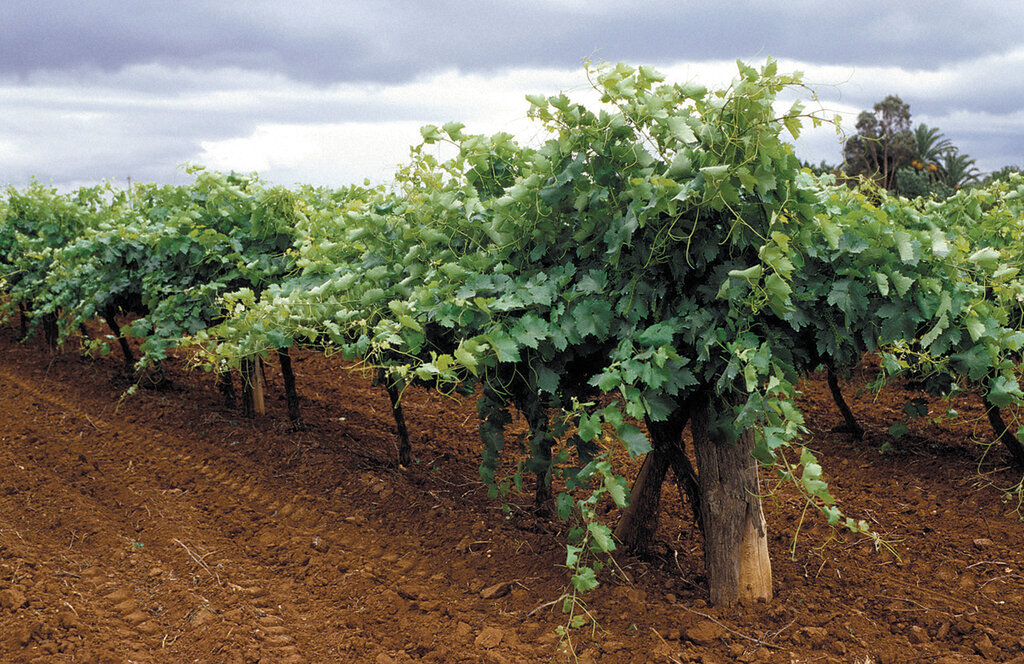
Managing these threats can involve conventional pesticides and fungicides, but many growers are moving toward sustainable, organic, or biodynamic practices. These approaches focus on building a healthy, resilient vineyard ecosystem to naturally deter pests.
All this work culminates in the harvest. Deciding when to pick is one of the most crucial decisions a grower makes. Grapes are monitored for sugar levels (measured in Brix), acidity (pH and total acidity), and phenolic ripeness—the maturity of tannins in the skins and seeds. Picking earlier results in higher acidity and lower alcohol, ideal for sparkling wines. Waiting longer allows sugars to accumulate and acidity to drop, leading to richer, fuller-bodied still wines.
The final decision often comes down to style. A winemaker might pick a portion of their grapes early for freshness and another portion later for ripeness, blending the two to achieve the desired balance.
Now, let's test what you've learned about the advanced factors that shape a wine from the vineyard.
A winemaker notes that a specific hillside plot, due to its steep slope and southern exposure, consistently produces riper grapes than a flatter plot just a few hundred meters away. This variation is an example of a difference in...
What is the primary reason that many of the world's great wines come from vines planted in poor, well-drained soils?
Viticulture is a complex interplay of nature and careful human intervention. Understanding these advanced concepts provides a deeper appreciation for the journey from the soil to the glass.