Mastering Workplace Conflict
Understanding Workplace Conflict
The Nature of Workplace Conflict
Any time a group of people works together, disagreements are bound to happen. Workplace conflict is simply a disagreement or clash of interests, ideas, or personalities between individuals or groups within an organization. It's a natural part of human interaction, not necessarily a sign that something is wrong.
Think about it: teams are made of people with different backgrounds, communication styles, and ways of thinking. These differences often lead to innovation and better results. But they can also lead to friction. Conflict isn't inherently bad, but how it's handled determines whether it helps or hurts the team.
Conflict in the workplace is inevitable, but it doesn't have to be destructive.
Common Causes of Friction
Conflict can spring from many sources, but a few common culprits show up again and again. Understanding these can help you spot potential issues before they escalate.
Miscommunication: This is a big one. A poorly worded email, a missed conversation, or a simple misunderstanding can easily spiral. One person might interpret a direct comment as rude, while the speaker intended it to be efficient.
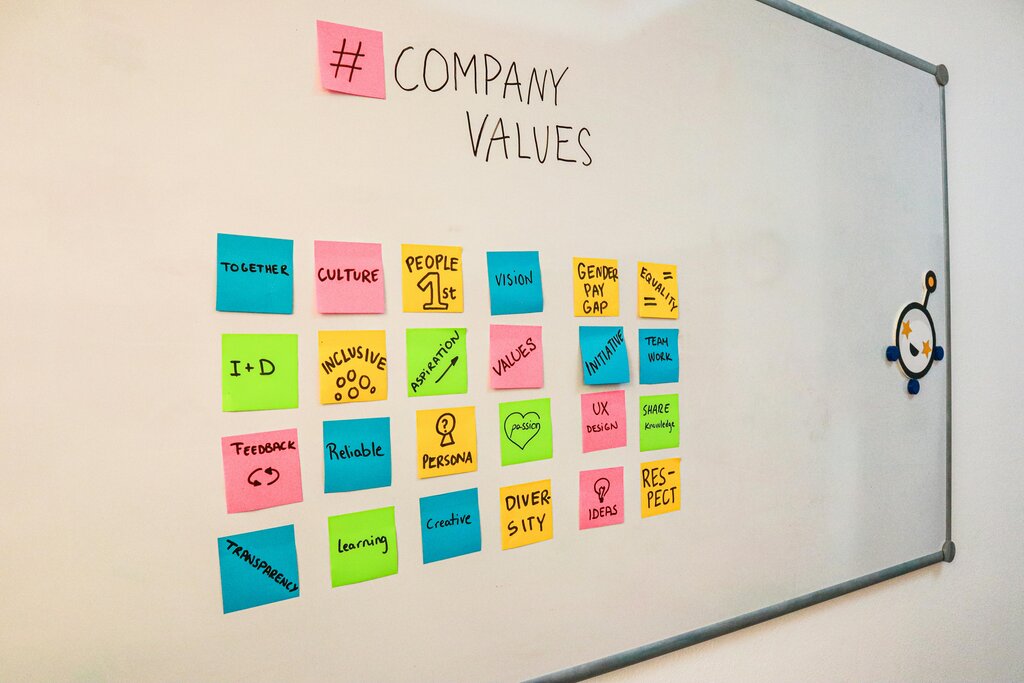
Differing Values: People's core beliefs about what's important shape their work. A conflict might arise if one team member prioritizes speed and hitting deadlines, while another values meticulous, slow-paced work to ensure quality. Neither is wrong, but their values are in opposition.
Personality Clashes: Sometimes, people just don't click. An outgoing, collaborative person might struggle to work with a quiet, independent colleague. These differences in style can lead to frustration and misunderstandings if not acknowledged and respected.
Other causes include competition for limited resources (like budget or promotions), unclear job roles that cause people to step on each other's toes, and unequal workloads that breed resentment.
The Impact of Unresolved Conflict
When conflict is ignored, it doesn't just go away. It simmers under the surface and can poison a team's environment. The most immediate effect is on team dynamics. Trust erodes, communication breaks down, and people may start to form cliques or avoid certain colleagues.

This breakdown in teamwork directly hits productivity. Time and energy that should be spent on projects are instead wasted on navigating arguments, gossiping, or simply feeling stressed and disengaged. Decisions get delayed, creativity suffers, and the quality of work can decline.
Unresolved conflict acts as a hidden tax on a team's performance, draining resources and morale.
In the long run, a workplace with unchecked conflict can experience higher employee turnover, as people leave to find a healthier environment. Recognizing and addressing conflicts promptly is crucial for maintaining a positive and productive workplace where people can do their best work.
Workplace conflict should be viewed primarily as a sign that a team is dysfunctional and poorly managed.
A team member who values hitting deadlines quickly is constantly frustrated with a colleague who insists on double-checking every detail, causing delays. This is a classic example of a conflict arising from: