Mastering Working Group Management
Foundations of Team Dynamics
The Life Cycle of a Team
Teams aren't just formed; they evolve. Like any relationship, a group of people working together goes through a predictable set of stages. Understanding this cycle helps you see friction and uncertainty not as signs of failure, but as natural steps toward success.
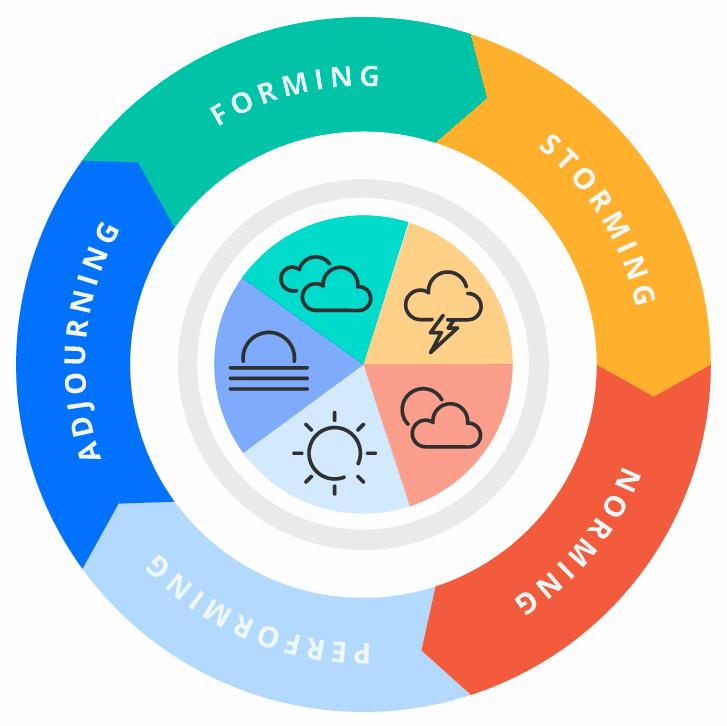
This progression is often described in five stages:
- Forming: This is the polite, introductory phase. Everyone is on their best behavior, getting to know one another and understanding the project. Roles are often unclear, and the team depends on a leader for guidance.
- Storming: Reality sets in. Team members start to push against boundaries. Different working styles clash, and disagreements over the project's direction are common. This stage can be uncomfortable, but it's essential for growth.
- Norming: The team starts to find its rhythm. Members resolve their differences, appreciate each other's strengths, and establish ground rules for working together. A sense of commitment to the team's goal emerges.
- Performing: This is the goal. The team operates like a well-oiled machine. With established trust and clear processes, the group can focus on achieving its objectives efficiently and effectively. The team is autonomous and can handle decision-making without constant supervision.
- Adjourning: The project concludes, and the team disbands. This final stage involves wrapping up tasks and recognizing the team's accomplishments.
The storming phase isn't a bug; it's a feature. Healthy conflict is how teams challenge ideas and build a foundation strong enough to support real collaboration.
The Foundation of Trust
What allows a team to move from the friction of storming to the harmony of performing? The answer is trust and mutual respect. Without this foundation, a team can never truly gel.
Trust is the confidence that your teammates have your back. It means you can be vulnerable, admit you don't know something, or propose a wild idea without fear of ridicule. Respect is acknowledging the value, skills, and perspectives that each person brings to the table, even when you disagree.
By incorporating principles like effective listening, self-awareness, respect, personal space, consistent communication, and adaptability, you can lay down a robust foundation for a successful collaborative environment.
Building this foundation doesn't happen by accident. It's an active process. It starts with reliability—consistently following through on your commitments. It grows through open communication, where people share information freely and listen to understand, not just to respond. Finally, it's solidified by showing appreciation for others' contributions. A simple "good job" can go a long way.
Every Player Has a Part
Just like a sports team needs more than just strikers, a successful work team needs a variety of roles and behaviors to function well. Some of these roles are formal, like a project manager or a data analyst. But just as important are the informal, personality-driven roles people naturally adopt.
Behaviors can generally be sorted into three categories:
-
Task-Oriented: These behaviors focus on getting the job done. This includes people who initiate ideas, seek out information, clarify goals, and keep everyone on track. They ensure the team makes progress.
-
Social-Oriented: These behaviors focus on maintaining group harmony. This includes encouragers who praise others, harmonizers who mediate disputes, and compromisers who help the team find common ground. They ensure the team stays together.
-
Individualistic: These behaviors are self-centered and hinder the group. This can include someone who blocks every new idea, tries to dominate the conversation, or avoids contributing altogether. These actions erode trust and stall progress.
A healthy team has a good balance of task- and social-oriented behaviors. Recognizing your own tendencies and the roles others play is the first step toward building a more effective group. By appreciating these different contributions, a team can leverage its diverse strengths to achieve its goals.
A new project team is experiencing frequent disagreements about the best way to approach their tasks. Different working styles are clashing, and there's a general sense of friction. Which stage is this team most likely in?
What is the key foundation that allows a team to successfully move from the conflict of the 'Storming' stage to the efficiency of the 'Performing' stage?
Understanding these core principles of team development, trust, and individual roles provides a vital framework for effective collaboration.