Mastering Work Meetings
Understanding Meeting Dynamics
The Meeting Ecosystem
Think of a meeting not as a single event, but as an ecosystem. It's a living environment where different people, with their own styles and motivations, interact. Just like in nature, every part affects the whole. The person who talks the most, the one who stays quiet, the one who asks sharp questions—they all shape the direction and outcome of the conversation.
Understanding these dynamics is the first step to becoming more effective in any group setting. It’s not about memorizing rules, but about learning to read the room and recognize the roles people naturally play. Once you see the patterns, you can adapt your own behavior to help steer the group toward a productive conclusion.
Who's in the Room?
In most meetings, people fall into informal roles. These aren't official titles, but patterns of behavior. Recognizing them in others, and in yourself, is a powerful skill.
| Role | Primary Behavior |
|---|---|
| The Leader | Steers the conversation, keeps time, and pushes for decisions. |
| The Contributor | Actively offers ideas, shares information, and builds on others' points. |
| The Challenger | Pokes holes in arguments and plays devil's advocate to test ideas. |
| The Observer | Listens intently, processes information, and speaks only when they have a well-formed thought. |
| The Scribe | Takes notes, tracks action items, and clarifies commitments. |
These roles aren't rigid. A single person might be a Contributor one moment and a Challenger the next. The key is flexibility. The most valuable team members understand which role the group needs at any given time and can step into it. For instance, a Challenger is crucial when stress-testing a new plan, but less helpful during an open brainstorm.
Common Meeting Hurdles
When these roles and dynamics clash, meetings fall apart. Unchecked behaviors can easily derail a conversation, leading to frustration and wasted time. Recognizing these hurdles is the first step to overcoming them.
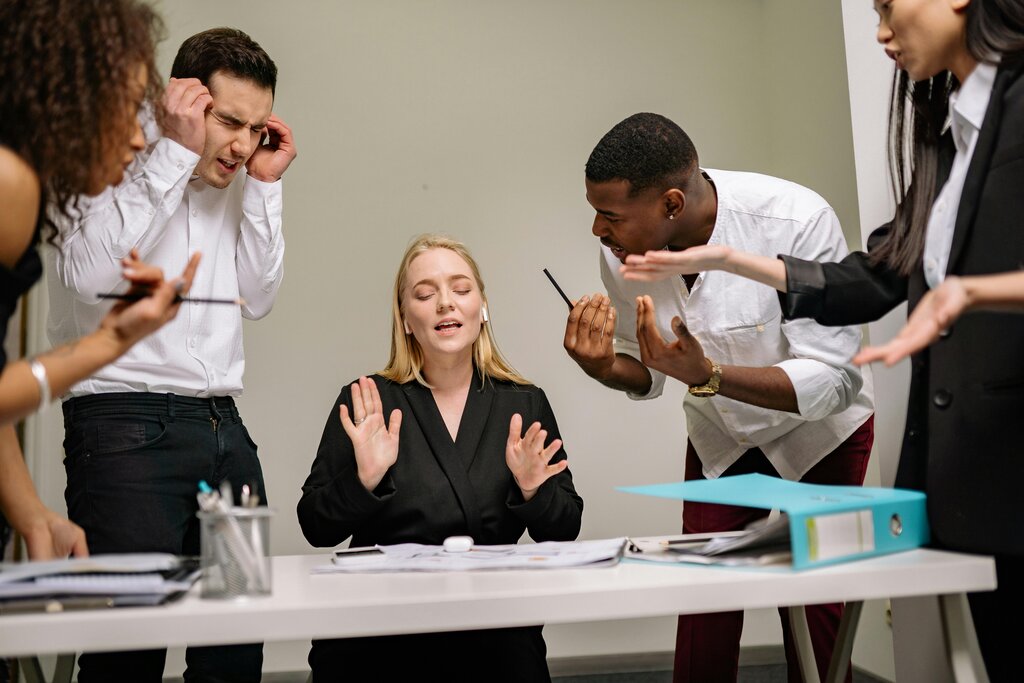
Here are a few classic meeting problems:
-
The Dominator: One or two people monopolize the conversation. Their communication style can be aggressive, shutting down quieter voices and creating an echo chamber. When they dominate, the team loses access to the diverse perspectives in the room.
-
The Disengaged: Participants are silently checking emails or zoning out. This isn't just a sign of boredom; it often points to a deeper issue. Maybe the dominator has made it impossible to speak, or perhaps the meeting's purpose is unclear, making it feel like a waste of time.
-
The Detour: The conversation veers wildly off-topic. While some exploration can be healthy, constant detours prevent the group from achieving its goal. This often happens when there's no clear leader or agenda to guide the discussion back on track.
-
Groupthink: Everyone agrees too quickly to avoid conflict or just to end the meeting sooner. The desire for harmony overrides critical evaluation, which can lead to flawed decisions. You can spot this when there's a lack of healthy debate or questioning.
A silent room doesn't always mean agreement. Sometimes, it's the loudest sign of a problem.
Your Communication Style
How you communicate has a direct impact on the meeting's atmosphere. Your style can either open up the conversation or shut it down. Think about where you fall on these two spectrums:
-
Direct vs. Indirect: Direct communicators say exactly what they mean. They're straightforward and to the point. Indirect communicators are more subtle, using stories, questions, or suggestions to make their point. Directness can provide clarity, but might feel blunt to some. Indirectness can be diplomatic, but might feel vague or hard to follow.
-
Assertive vs. Reserved: Assertive speakers are comfortable taking the lead and expressing their opinions confidently. Reserved speakers prefer to listen, reflect, and contribute when they feel they have something important to add. An assertive style can drive progress, but can also become dominating. A reserved style ensures thoughtful contributions, but those ideas might never get heard if there isn't space for them.
There's no single "best" style. Effective communicators are aware of their natural tendencies and adjust their approach based on the situation. If a meeting is stalled, a more assertive, direct style might be needed to get things moving. If a sensitive topic is being discussed, a more reserved and indirect approach can create a sense of safety.
Let's test what you've learned about the underlying forces that shape a meeting.
The provided text suggests viewing a meeting not as a single, isolated event, but as what?
During a strategy session, the team quickly rallies around the first suggested idea. There is very little debate, and no one raises potential objections or alternative solutions. This scenario is a classic example of which meeting problem?
By understanding these core dynamics—the roles people play, the common challenges, and the impact of your communication style—you can navigate meetings with more confidence and purpose.