Mastering Wildlife Photography
Introduction to Wildlife Photography
Go Beyond the Snapshot
Wildlife photography starts long before you press the shutter button. The most captivating images don’t just show an animal; they tell a story about its life. To do that, you need to become a student of nature. The first step is to learn everything you can about your subject.
Start with the basics. Where does the animal live? What does its habitat look like? Answering these questions helps you know where to look. Then, dig deeper into its behavior. Is it nocturnal? Does it migrate? When does it mate or raise its young? Knowing an animal’s daily and seasonal rhythms helps you predict where it will be and what it might be doing. This understanding is what turns a lucky shot into a well-earned photograph.
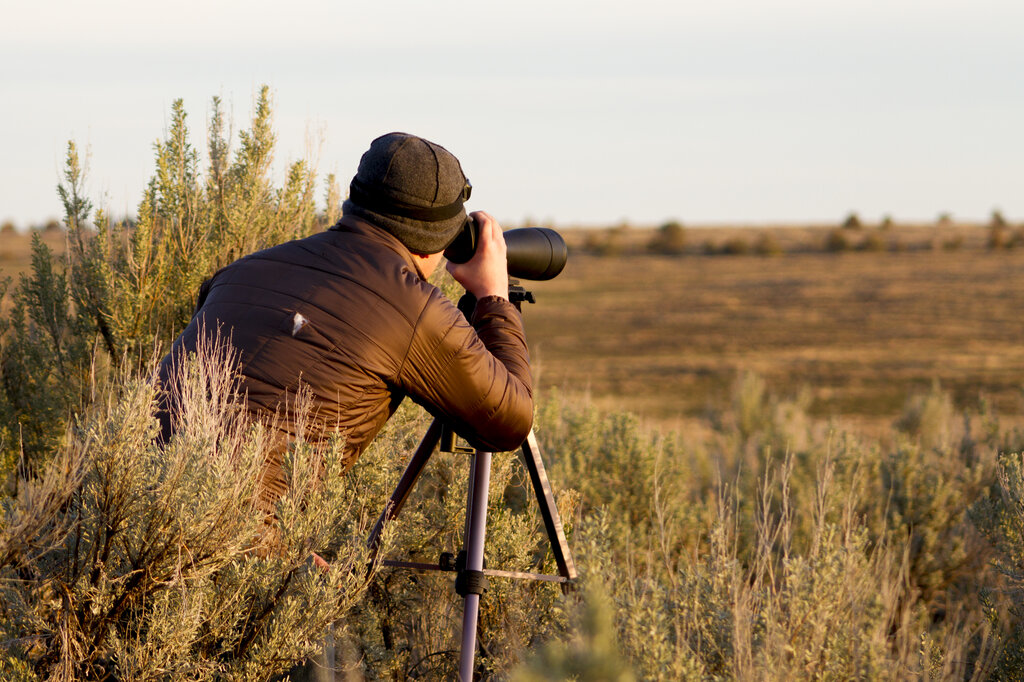
Do No Harm
The single most important rule in wildlife photography is to respect your subject and its environment. The animal's well-being always comes first. This means putting ethical principles at the core of your practice.
First, keep your distance. A telephoto lens is your best tool for getting a close-up shot without causing stress to the animal. If an animal changes its behavior because of you—stops eating, looks alarmed, or moves away—you are too close. Back away slowly and quietly.
Never use food to lure an animal closer. Baiting can make animals dependent on humans and can be harmful to their health. It also creates unnatural behaviors, which defeats the purpose of authentic wildlife photography. Tread lightly, leave no trace, and be a quiet observer. The goal is to capture a moment in the animal's life as if you were never there.
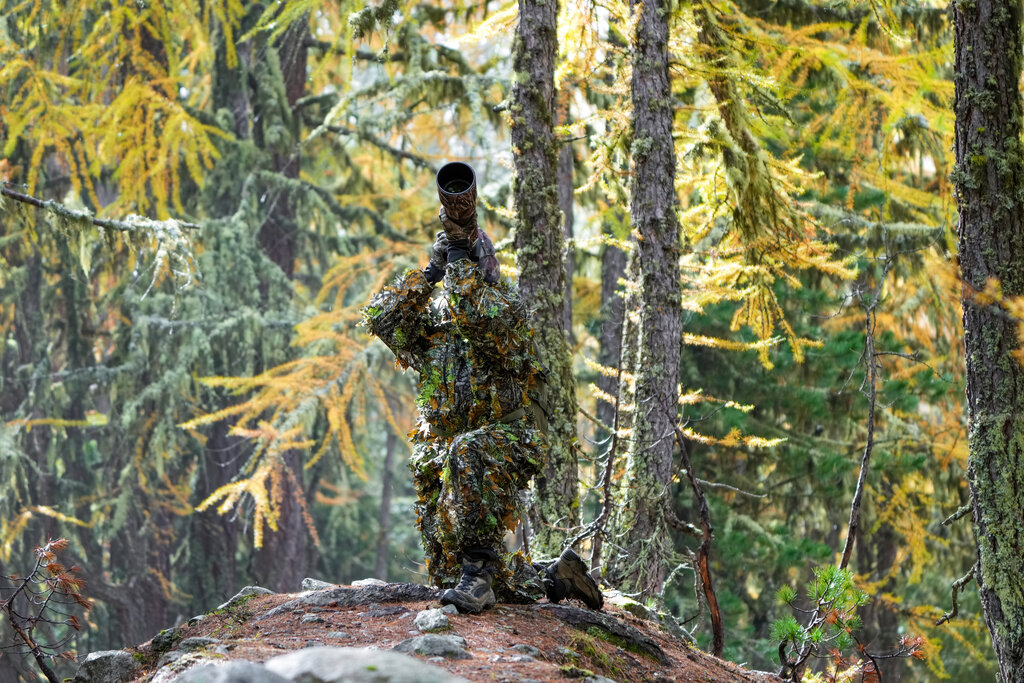
A photograph is not worth an animal’s distress. Always prioritize the welfare of your subject over getting the perfect shot.
The Art of Waiting
Patience isn't just a virtue in wildlife photography; it's a necessity. Animals operate on their own time, not yours. Many of the most incredible wildlife photos are the result of hours, or even days, of waiting for the right moment.
Find a good spot, get comfortable, and simply watch. Observation is an active process. Pay attention to the light, the landscape, and the subtle cues the animal gives you. You might spend a whole morning watching a fox den and see nothing but a twitching ear. But that dedication pays off when the kits finally emerge to play in the morning sun.
This quiet time spent observing is also when you'll learn the most. You’ll start to recognize patterns and anticipate actions. You'll see the hawk ruffle its feathers just before taking flight or the deer flick its ears in the direction it’s about to run. By being patient, you're not just waiting for a picture; you're waiting for a story to unfold.
Let's review the key ideas.
Now, let's test your understanding of these foundational concepts.
According to the principles of wildlife photography, why is it crucial to research an animal's behavior, such as its mating season or migration patterns?
You are photographing a deer, and it suddenly stops eating and looks directly at you with alarm. What is the correct ethical response?
By focusing on the animal first, you'll not only become a better photographer but also a more responsible steward of the natural world.