Mastering Weekly Meal Prep
Meal Prep Basics
What Is Meal Prep?
At its core, meal prepping is the simple act of preparing meals ahead of schedule. Instead of figuring out what to eat for every breakfast, lunch, and dinner, you plan and cook your food in advance. This can mean different things for different people. For some, it’s chopping vegetables for the week. For others, it’s cooking complete, portioned meals that are ready to heat and eat.
Meal prepping is simply planning and preparing some or all of your weekly meals ahead of time.
The goal is to make your life easier during the busy week. By setting aside a couple of hours on a weekend, you can set yourself up for days of stress-free eating. It’s a system for taking the daily guesswork out of your meals.
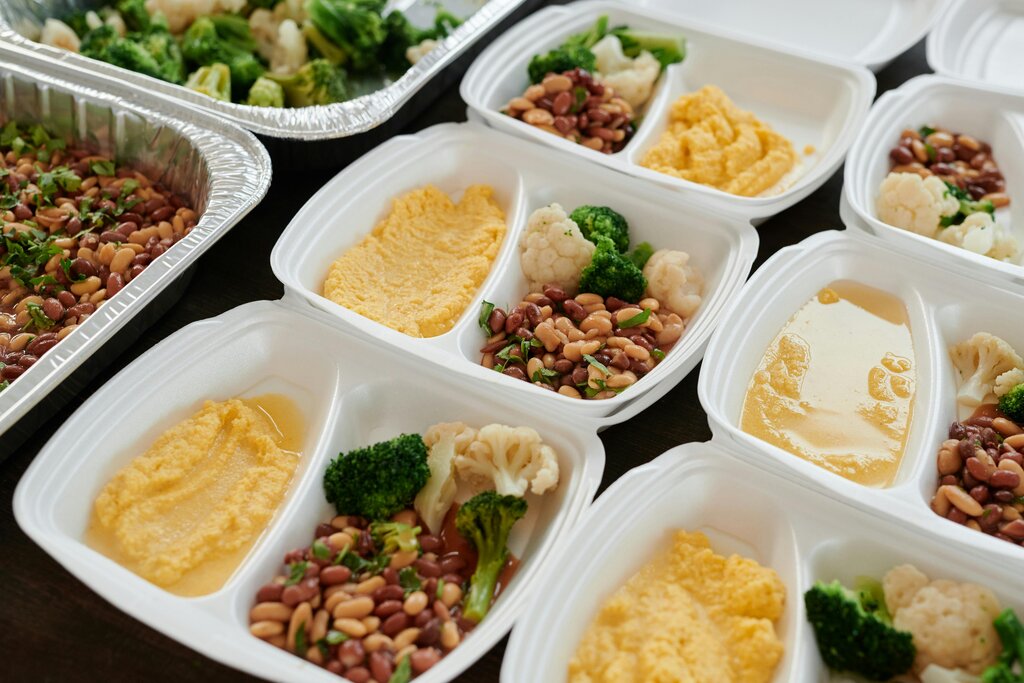
Save Time and Reduce Stress
One of the biggest payoffs of meal prep is the time you get back. Think about the minutes spent each day deciding what to eat, prepping ingredients, cooking, and then cleaning up. This can add up to several hours over a week. Meal prepping consolidates that effort into a single, focused session.
Cooking one large batch of rice takes about the same amount of active time as cooking a single portion. By preparing ingredients and meals in bulk, you free up your evenings and mornings. Instead of rushing to pack a lunch, you can just grab a container from the fridge. This not only saves time but also reduces the daily mental load of meal-related decisions.
Preparing meals in one session saves time and energy compared to cooking multiple times a day.
Good for Your Wallet
Meal prepping is a powerful tool for managing your food budget. When you plan your meals, you also plan your grocery list. This means you walk into the store with a clear purpose, buying only what you need for the week. This targeted approach cuts down on impulse purchases.
It also significantly reduces spending on takeout and restaurant meals. When you have a delicious, ready-made meal waiting at home, you're far less likely to opt for an expensive last-minute alternative. Furthermore, planning helps you use the food you buy, which means less spoilage and food waste. Every ingredient has a purpose, so less food ends up in the trash.
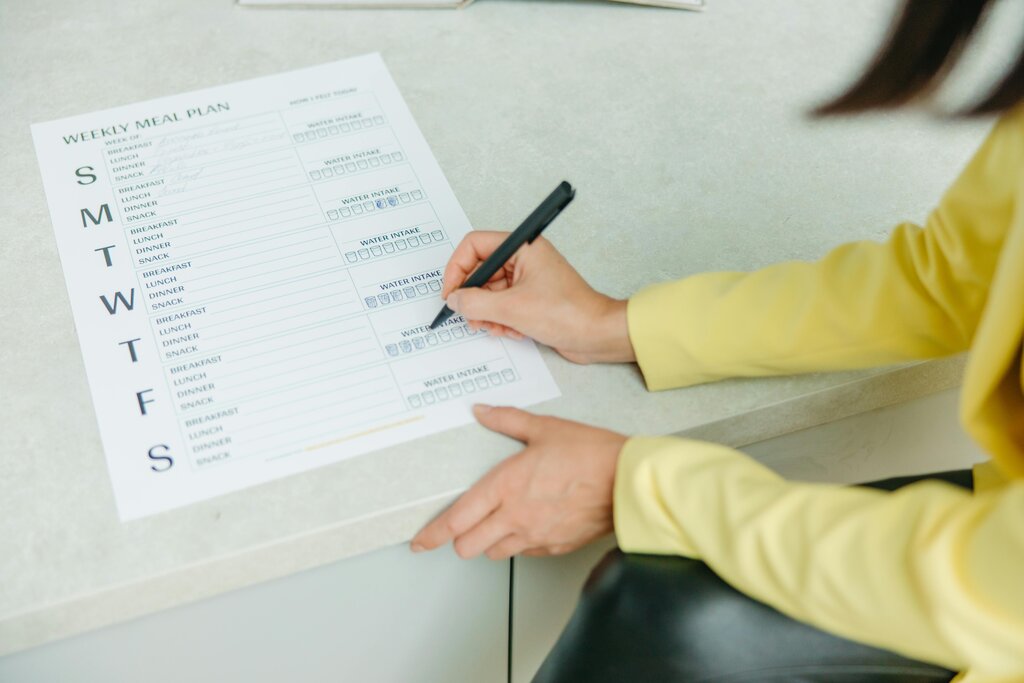
Support Your Health Goals
Having control over your meals means having control over your nutrition. When you cook for yourself, you know exactly what ingredients are going into your food. You can manage portion sizes, reduce sugar and sodium, and ensure you're getting a good balance of protein, carbs, and fats.
Meal prepping makes the healthy choice the easy choice. When you're tired and hungry, it's tempting to reach for convenience foods that may not align with your health goals. But if a nutritious, home-cooked meal is just as convenient, you’re more likely to stick to your plan.
A well-thought-out meal plan can help you improve the quality of your diet or reach a specific health goal while saving you time and money.
By planning ahead, you can thoughtfully incorporate more fruits, vegetables, and whole grains into your diet. This simple habit can have a significant positive impact on your overall health and well-being.