Mastering Weekly Meal Prep
Meal Planning Basics
The What's-for-Dinner Solution
It’s 5 PM. You're tired, hungry, and staring into the refrigerator, hoping for inspiration. This daily decision-making drains your energy and often your wallet. Meal planning is the simple fix. It’s not about restrictive dieting; it’s about making intentional choices that save you time, money, and stress during the week.
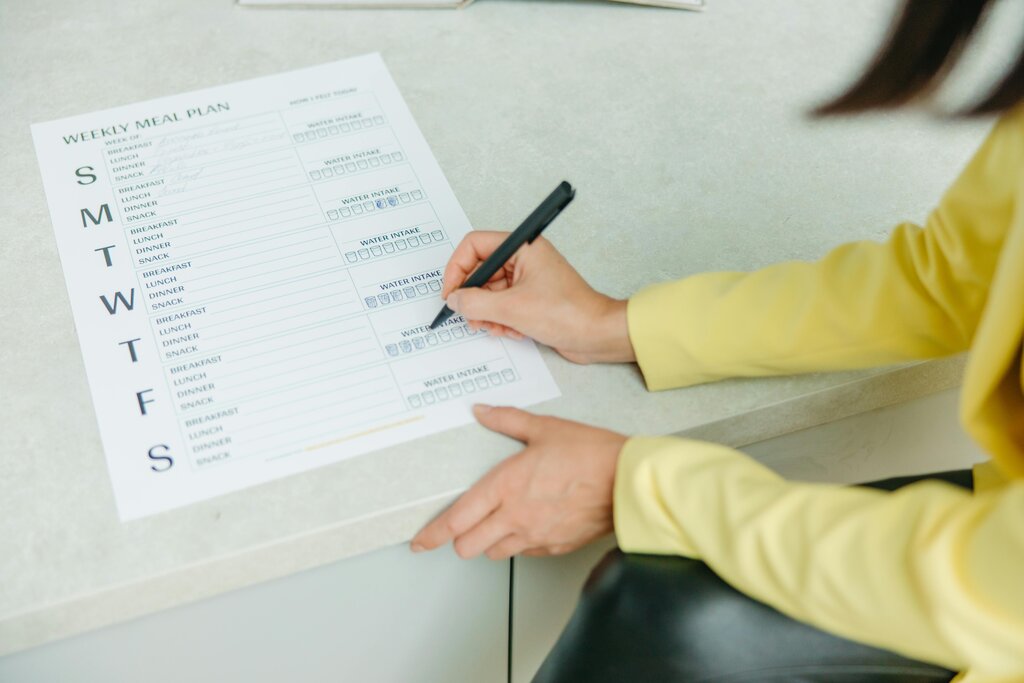
By deciding what you’ll eat ahead of time, you eliminate that last-minute scramble. You buy only what you need, which means less food waste and a smaller grocery bill. A little bit of planning on a Sunday afternoon can completely transform your weeknights from chaotic to calm.
Know Thyself (and Thy Kitchen)
Before you can plan for the future, you need a clear picture of the present. The first step is to take a quick, honest look at your current eating habits and what's already in your kitchen.
Start by checking your pantry, fridge, and freezer. What ingredients do you have on hand? Jot down staples like pasta, rice, canned goods, and frozen vegetables. Planning meals around items you already own is the fastest way to reduce waste and save money.
Plan meals around these first to avoid waste and reduce your grocery bill.
Next, think about your lifestyle. Are your mornings rushed? Do you have time to cook on Wednesdays, or is that your busiest day? Be realistic. If you know you'll be exhausted on Tuesday, plan for a simple 15-minute meal or leftovers. Don't set yourself up for failure by planning an elaborate dish for a night when you have no energy. The goal is to create a plan that serves you, not the other way around.
Setting Your Goals
With a clear view of your starting point, you can set simple, achievable goals. You don't need to plan every single meal for the next month. In fact, it's better to start small.
Maybe your first goal is to plan three dinners for the upcoming week. Or perhaps you want to focus on packing your lunch twice instead of buying it. These small wins build momentum and make the habit stick.
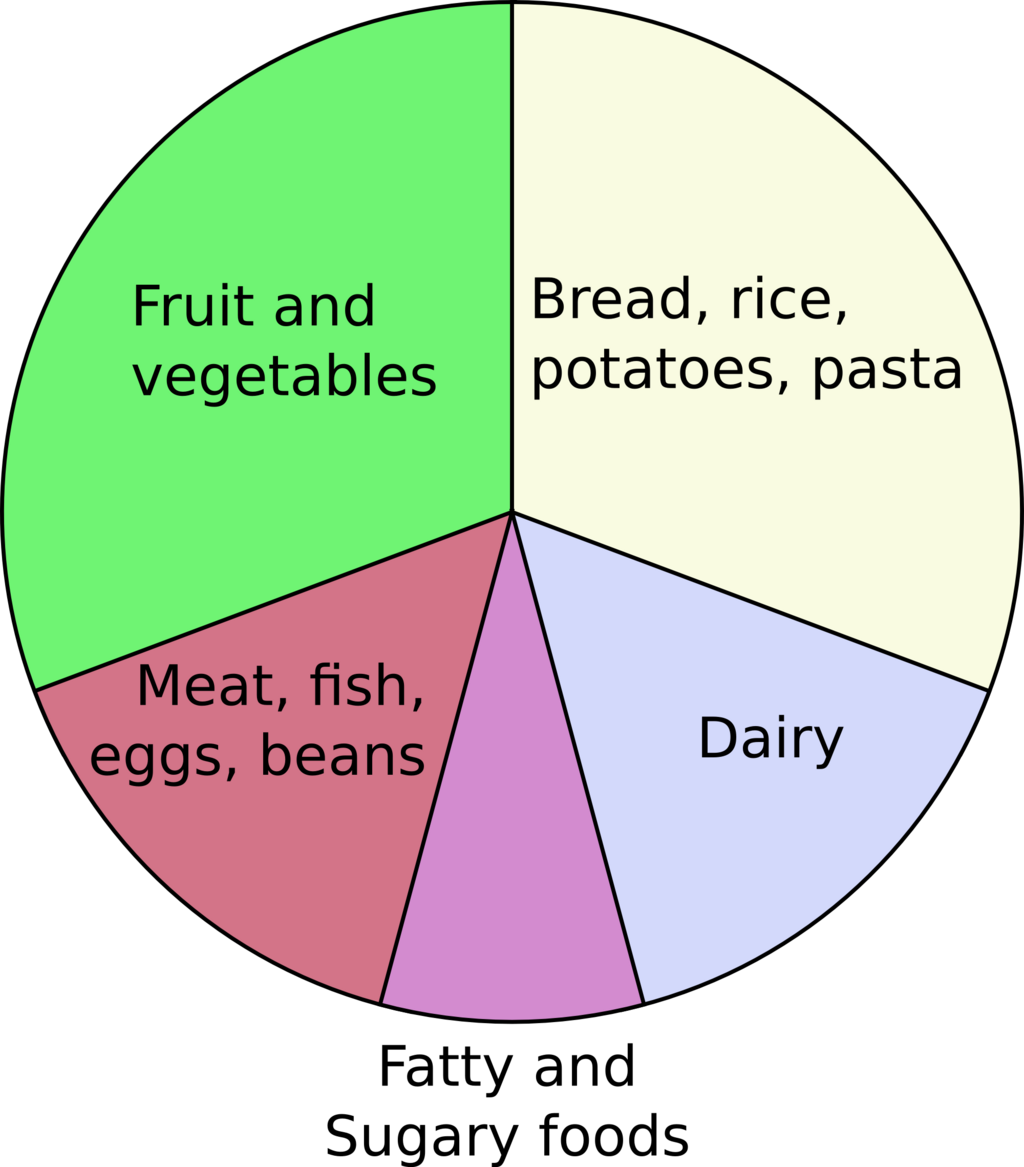
Another key part of planning is understanding portion sizes. You don't need measuring cups for every meal, but having a general idea helps. For example, a serving of protein is often about the size of your palm, a serving of carbs like rice or pasta is about a cupped hand, and you should aim to fill half your plate with vegetables. This visual guide prevents you from cooking too much food, which helps control both your budget and your waistline.
Let's put it all together with a very simple weekly plan. The key isn't complexity, but consistency.
| Day | Breakfast | Lunch | Dinner |
|---|---|---|---|
| Monday | Oatmeal & Berries | Leftover Chicken | Chicken, Rice, & Broccoli |
| Tuesday | Yogurt & Granola | Salad with Chickpeas | Tacos (using ground turkey) |
| Wednesday | Toast & Avocado | Leftover Tacos | Pasta with Veggie Sauce |
Notice how leftovers are built right into the plan? This is a simple trick to save time and ensure no food goes to waste. The pasta sauce can be made with canned tomatoes from the pantry, and the tacos use a versatile protein. This approach is flexible, budget-friendly, and most importantly, realistic.
Time to check what you've learned.
What is the primary benefit of meal planning as described in the text?
What is the very first step you should take when you decide to start meal planning?
Meal planning is a skill that gets easier with practice. By starting with these simple steps, you can build a routine that works for your life, putting an end to dinnertime stress for good.