Mastering Weekly Meal Prep
Meal Planning Basics
Why Plan Your Meals?
Deciding what to eat every day can feel like a chore. Meal planning takes the guesswork out of your week, saving you time and reducing the daily stress of figuring out dinner. When you know what you’re going to eat, you can shop more efficiently and waste less food.

Instead of making last-minute decisions when you're already hungry, planning allows you to be more intentional with your food choices. This simple habit can lead to a more balanced diet and a less hectic schedule.
A well-thought-out meal plan can help you improve the quality of your diet or reach a specific health goal while saving you time and money.
Start with What You Like
The best meal plan is one you’ll actually stick to. Before you dive into new recipes, take stock of what you and your family already enjoy eating. Make a list of your go-to meals for breakfast, lunch, and dinner. Think about your schedule, too. On busy weeknights, you’ll want quick and easy options. Save more complex or new recipes for days when you have more time.
Also, consider any dietary preferences or restrictions. Are you vegetarian, dairy-free, or just trying to eat more vegetables? Build your plan around these needs from the start. The goal is to create a realistic plan that fits your life, not a perfect one that's impossible to follow.
Your meal plan shouldn't feel like a punishment. Build it around the healthy foods you already enjoy.
Set a Simple Goal
You don't need to plan every single meal for the entire week, especially when you're just starting. That can feel overwhelming. Instead, set a small, achievable goal.
Maybe you start by planning just your dinners for the work week. Or perhaps you focus on prepping a healthy lunch to take to work three days a week. Once that becomes a habit, you can gradually expand your plan. The key is to build momentum with small wins.
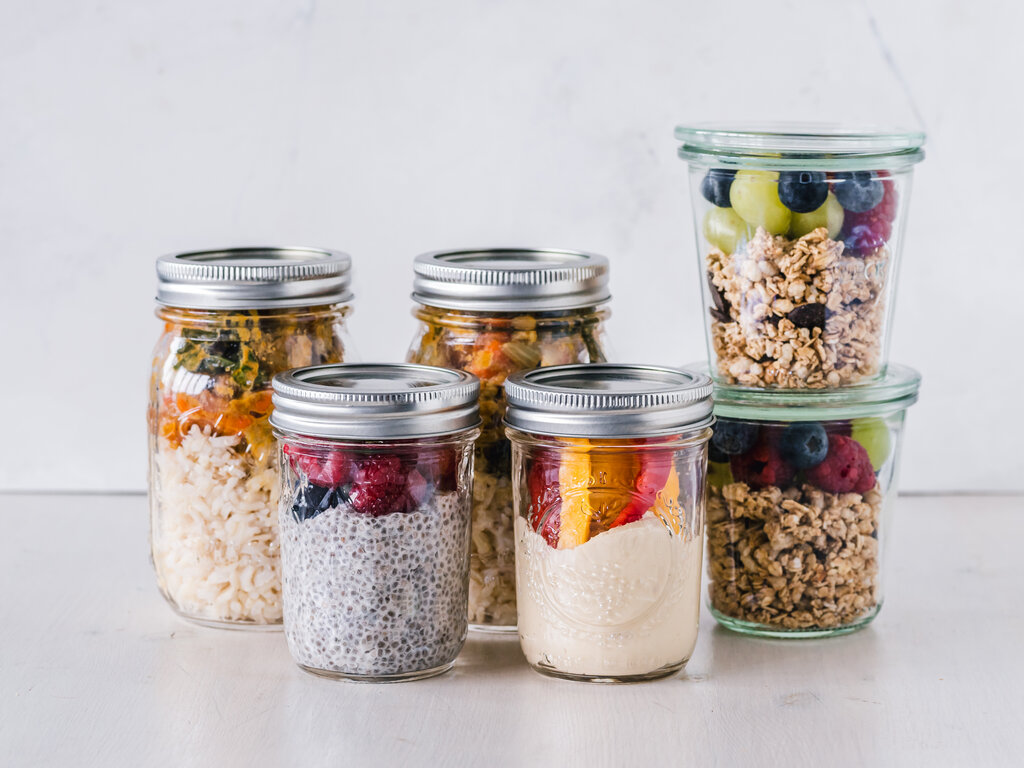
Begin by planning out just a few meals or snacks for the week ahead.
Create Balanced Menus
A balanced meal provides the energy and nutrients your body needs. A simple way to structure your meals is to include three main components: a protein, a carbohydrate, and a source of healthy fats, along with plenty of vegetables.
- Protein: Think chicken, fish, beans, lentils, tofu, or eggs.
- Carbohydrates: These include whole grains like brown rice and quinoa, starchy vegetables like sweet potatoes, or whole-wheat pasta.
- Healthy Fats: Sources like avocado, nuts, seeds, and olive oil are great additions.
Aim to fill about half your plate with non-starchy vegetables like broccoli, spinach, or bell peppers. This approach ensures your meals are both satisfying and nutritious.
| Protein Source | Carbohydrate Source | Vegetables & Fats |
|---|---|---|
| Grilled Chicken | Quinoa | Roasted broccoli, olive oil |
| Black Beans | Brown Rice | Sautéed peppers & onions, avocado |
| Salmon | Sweet Potato | Steamed asparagus, walnuts |
| Tofu | Soba Noodles | Stir-fried bok choy, sesame oil |
Using this framework, you can mix and match your favorite ingredients to create a variety of balanced meals throughout the week. This keeps things interesting and helps you avoid getting bored with your food.
Ready to test your knowledge?
What is a primary benefit of meal planning?
What is the recommended first step when creating a meal plan?
By starting small and focusing on foods you enjoy, you can build a meal planning habit that works for you.