Mastering Weekly Meal Prep
Meal Planning Basics
Why Plan Your Meals?
Deciding what to eat every day can feel like a chore. Meal planning takes the guesswork out of your week, saving you from that 5 PM scramble for dinner ideas. When you have a plan, you know exactly what to buy at the grocery store. This means fewer impulse purchases and less food waste, which directly translates to saving money.
Meal planning and preparation can transform your relationship with food, saving you time, money, and stress, while simultaneously improving your diet.
A plan also streamlines your time in the kitchen. Instead of starting from scratch every night, you can think ahead. Maybe you cook a large batch of rice to use in different meals, or chop all your vegetables for the next few days in one go. It’s about making your life simpler, one meal at a time.
Start With What You Eat Now
The best meal plan is one you’ll actually stick to, and that starts with your current habits. You don't need to completely overhaul your diet. The goal is to build a plan around the foods you already enjoy.
Take a few days to simply observe what you eat. Grab a notebook or use an app on your phone and jot down your meals and snacks. Don't judge or try to change anything yet—just gather information. This will give you a realistic picture of your go-to meals, how often you eat out, and what foods you tend to buy but never get around to using.
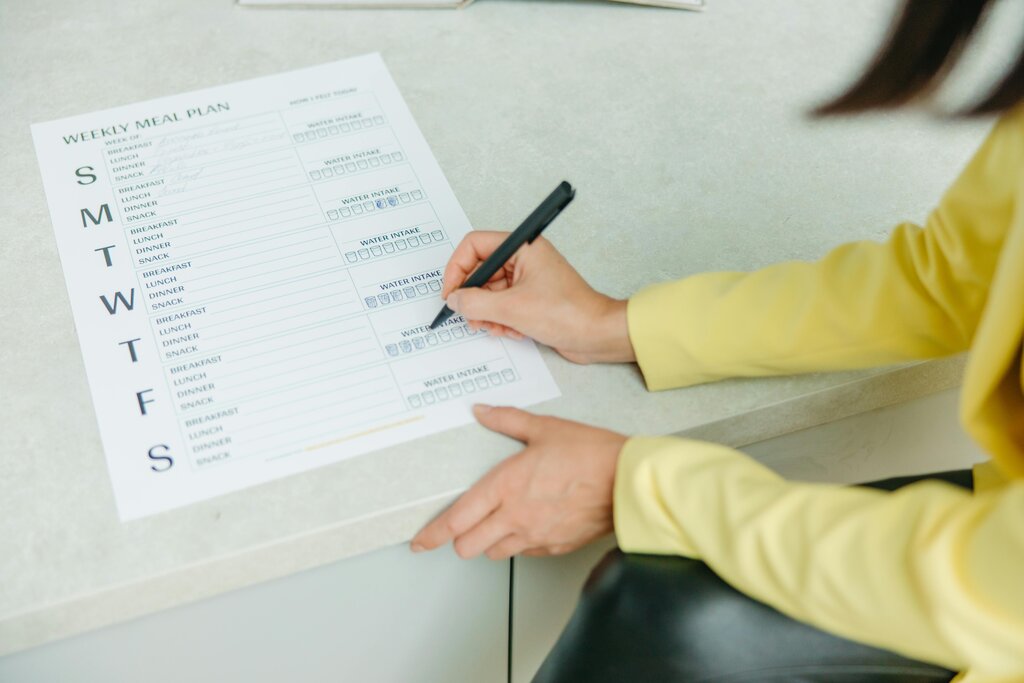
Once you have a few days of data, look for patterns. Do you always grab a coffee and pastry for breakfast? Is Wednesday your typical takeout night? Knowing this helps you create a plan that fits your actual life, not an idealized version of it.
Set Simple, Achievable Goals
Trying to plan every single meal for the next month is a surefire way to get overwhelmed. Success in meal planning comes from starting small and building a sustainable habit. Your initial goals should feel easy to accomplish.
Think about what would make the biggest difference in your week. Is it the stress of weeknight dinners? The cost of buying lunch every day? Pick one area to focus on first.
For example, a great first goal could be: "This week, I will plan and cook dinner for three nights." That's it. It's specific, manageable, and a clear win when you achieve it.
Once that feels comfortable, you can gradually expand. Maybe next you add planning your lunches or trying one new recipe a week. The key is to build momentum with small, steady successes.
| Realistic Goal | Overwhelming Goal |
|---|---|
| Plan 3 dinners this week | Plan every meal for 30 days |
| Pack lunch twice | Make all lunches from scratch |
| Try one new recipe | Cook only gourmet meals |
Putting Your Plan on Paper
Now it's time to create your first simple meal plan. You don't need a fancy planner; a piece of paper or a note on your phone works perfectly. Pick a consistent time to do this each week, like Sunday afternoon.
-
Look at your calendar. Are there nights you'll be home late or have social plans? Mark those down first. It's okay to plan for leftovers or eating out.
-
Fill in the blanks. Using your list of go-to meals, start penciling in dinners for the days you plan to cook. A simple approach is to use theme nights to make it easier.
-
Make a shopping list. Go through your plan and list every ingredient you'll need. Then, check your pantry, fridge, and freezer to see what you already have. Cross those items off your list. Now you have a precise shopping list that prevents overbuying.
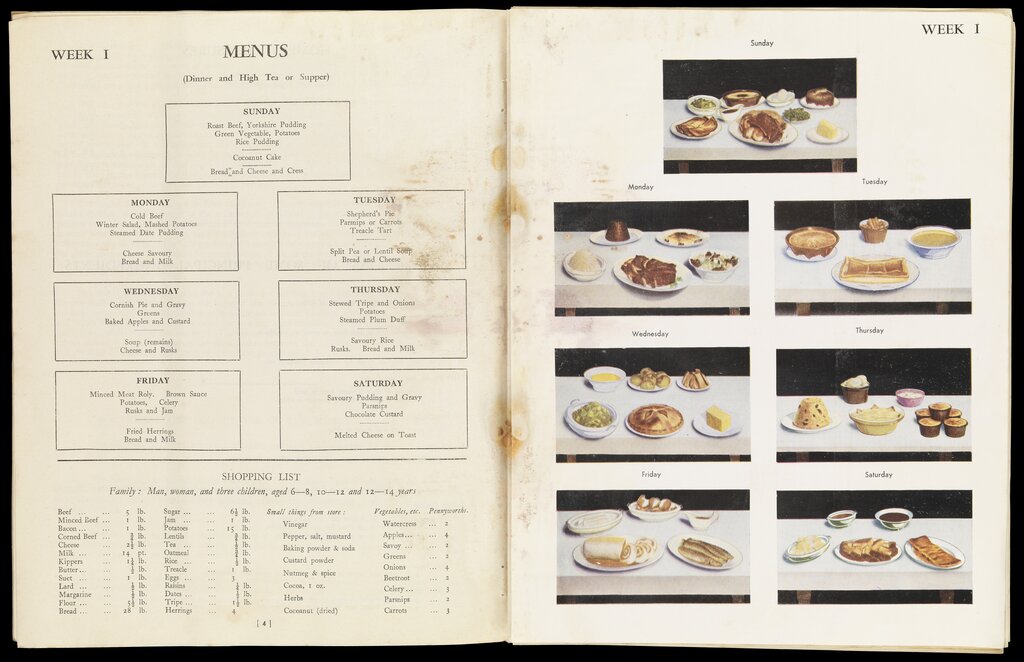
Here's what a very basic plan might look like for weeknight dinners:
Notice how it's simple, includes leftovers, and even plans for takeout. A good meal plan is flexible and works for you.
According to the text, what is the recommended first step when starting to meal plan?
A successful meal plan should be built around the foods you already enjoy.
That's the foundation of meal planning. It's a skill that gets easier with practice, and the rewards of saving time, money, and stress are well worth the effort.