Mastering Weekly Meal Prep
Meal Planning Basics
Start With What You Have
Before you can plan where you're going, you need to know where you are. Take a quick look at your current eating habits. What do you typically eat for breakfast, lunch, and dinner? How often do you eat out or order takeout? Be honest. There’s no judgment here.
Think about the last week. Did you throw away any food that went bad? Did you find yourself staring into the fridge at 6 PM with no idea what to make? These are common problems that meal planning can solve. The goal isn't to create a perfect, rigid system. It's to understand your patterns so you can make small, impactful changes.
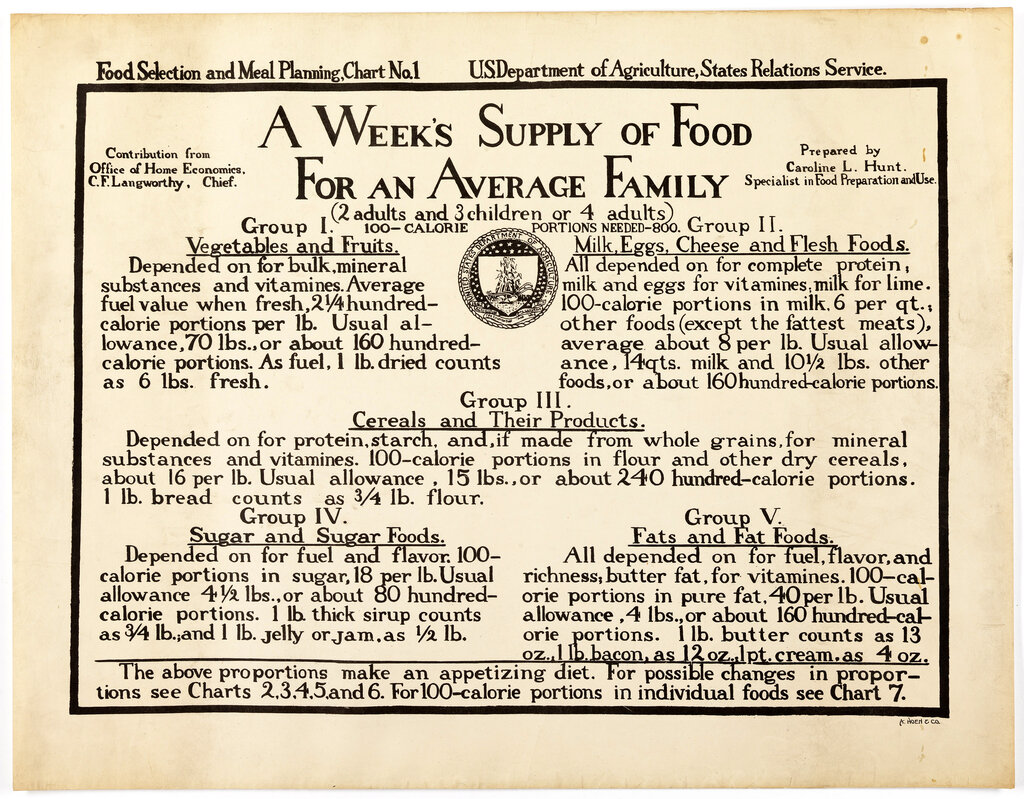
Jot down your family's favorite meals. Note any dietary restrictions or preferences. Also, take inventory of what's already in your pantry, fridge, and freezer. Planning meals around ingredients you already have is a simple way to reduce waste and save money on groceries.
A well-thought-out meal plan can help you improve the quality of your diet or reach a specific health goal while saving you time and money.
Set Simple Goals
What do you want to achieve with meal planning? Your goals will shape your approach. Maybe you want to spend less money on groceries, eat more vegetables, or simply avoid the stress of last-minute dinner decisions.
Choose one or two realistic goals to start. Trying to do everything at once can be overwhelming. If your main goal is to save money, you might focus on using up leftovers and planning around sales. If you want to eat healthier, you might prioritize incorporating a new vegetable into a few meals each week.
Don't aim for perfection. A good starting goal could be as simple as planning three dinners for the upcoming week. You can build from there.
Write down your goals. It makes them feel more concrete. For example:
- Goal 1: Reduce takeout from four times a week to once a week.
- Goal 2: Eat a home-cooked breakfast on weekdays.
- Goal 3: Use all the fresh produce I buy before it spoils.
Create Your First Plan
Now it's time to create a simple plan for the week. You don't need a fancy spreadsheet or app, just a piece of paper or a note on your phone. Look at your calendar for the upcoming week. Are there any nights you'll be working late or have other commitments? Plan for quick meals or leftovers on those days.
Start by filling in just a few meals. Maybe you plan all your dinners, or just lunches for work. A full week might look something like this:
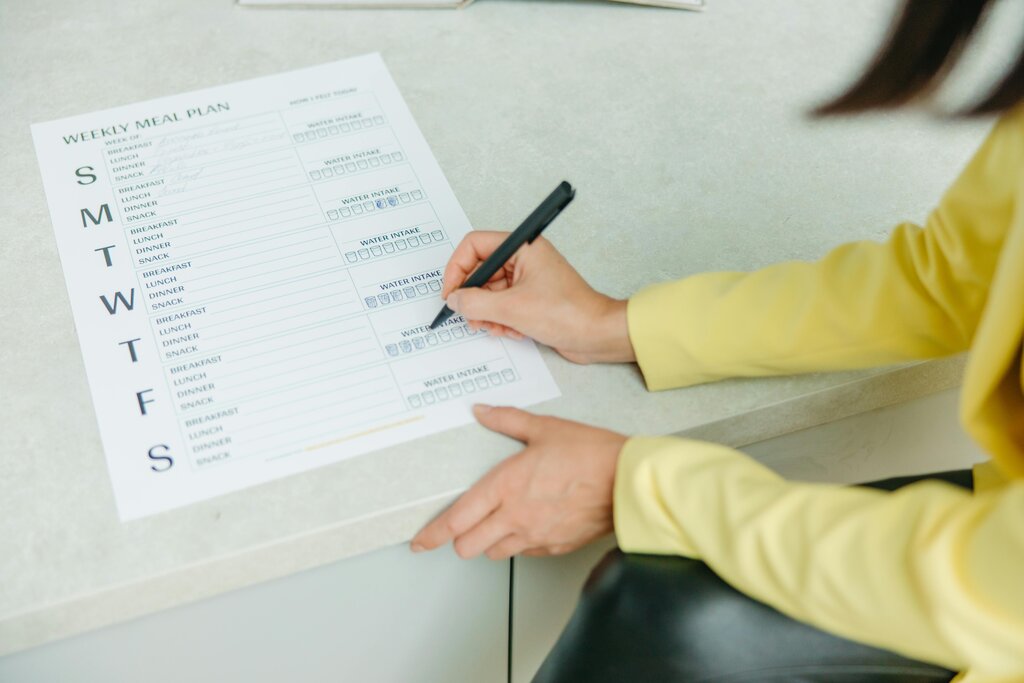
| Day | Breakfast | Lunch | Dinner |
|---|---|---|---|
| Monday | Oatmeal & Berries | Leftover Chili | Chili & Cornbread |
| Tuesday | Yogurt & Granola | Salad with Chicken | Tacos |
| Wednesday | Toast & Egg | Leftover Tacos | Pasta with Veggies |
| Thursday | Oatmeal & Berries | Sandwich | Leftover Pasta |
| Friday | Yogurt & Granola | Salad with Chicken | Pizza Night (Takeout) |
| Saturday | Pancakes | Leftovers | Grilled Chicken & Salad |
| Sunday | Toast & Egg | Sandwich | Roast Chicken & Veggies |
Notice how leftovers are built into the plan for lunches. This saves time and prevents food waste. Also, planning for a takeout night can make the whole routine feel more sustainable and less restrictive.
Once you have your meal ideas, create a shopping list based only on what you need for those meals, after checking what you already have. This is the key to cutting down on impulse buys at the grocery store.
Ready to test your knowledge? This quiz will cover the key ideas we've just discussed.
What is the recommended first step before you start planning your meals for the week?
According to the text, what is the primary benefit of creating a shopping list based on your meal plan?
Meal planning is a skill that gets easier with practice. Start small, stay flexible, and focus on what works best for you and your household.