Mastering Weekly Meal Prep
Meal Prep Basics
What is Meal Prep?
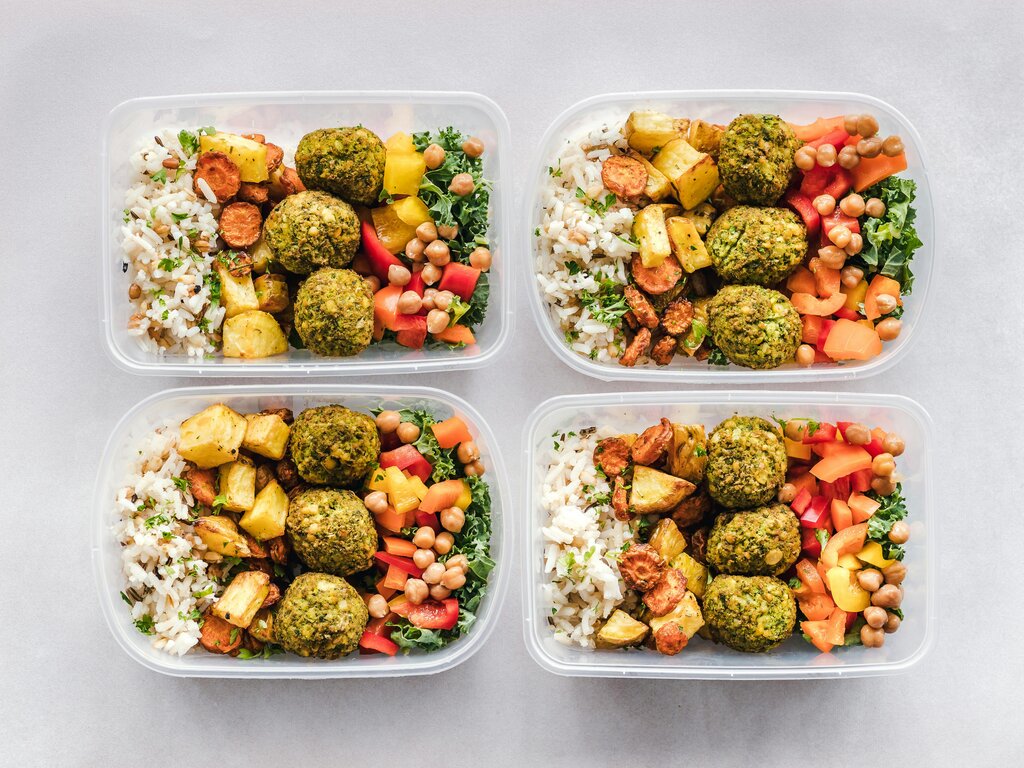
Meal prepping is the simple idea of preparing meals or ingredients ahead of time. Instead of figuring out what to eat for lunch an hour before you're hungry, you have a delicious, ready-to-go meal waiting for you. The same goes for dinner after a long day. It’s a strategy to make your week smoother, healthier, and less expensive.
Meal prep refers to making whole meals or preparing recipe ingredients ahead of schedule to save time later.
The benefits are immediate. You'll save time during the week because the cooking is already done. You'll save money by eating out less and using the groceries you buy, which means less food waste. And by planning your meals, you have more control over what you eat, which often leads to healthier choices. It’s about reducing the daily stress of deciding what to make and cook.
Planning is Everything
Good meal prep starts with a good plan. Before you even think about cooking, take a few minutes to decide what you’ll eat for the next few days or the upcoming week. It doesn't need to be complicated. You could plan just your lunches, or maybe three dinners you know you'll be too busy to cook from scratch.
Once you have a plan, create a shopping list based on the ingredients you'll need. This is a crucial step. A list keeps you focused at the grocery store, preventing impulse buys and ensuring you don't forget anything. Stick to your list, and you'll buy only what you need, which is a key to saving money.
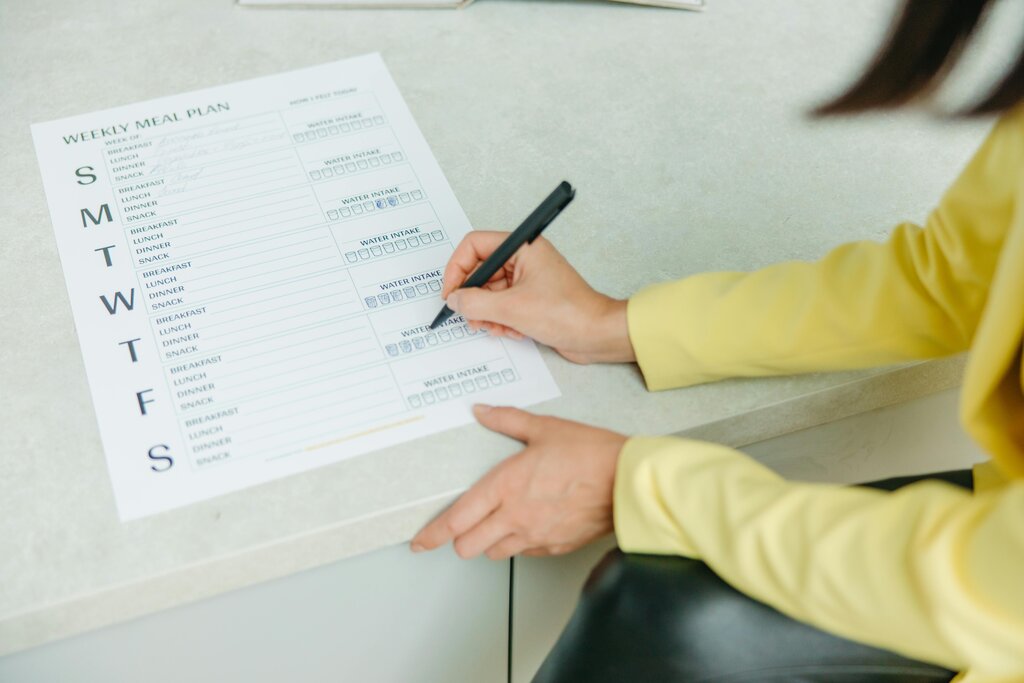
A meal plan turns your grocery trip into a targeted mission. No more wandering the aisles wondering what to buy.
Set Up for Success
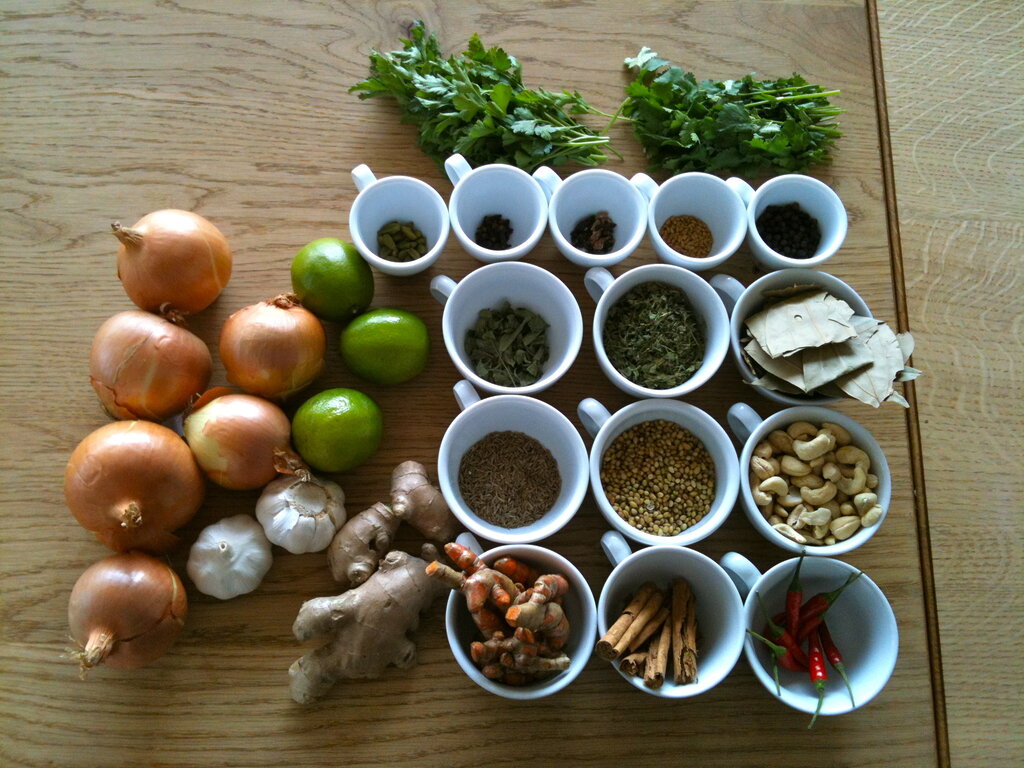
You don't need a fancy kitchen to meal prep, but an organized one helps a lot. Before you start chopping and cooking, make sure your space is ready. Clear your countertops to give yourself plenty of room to work. Gather all the containers you’ll need for storing your prepped food.
Having your tools and ingredients ready before you begin is a technique professional chefs use called mise en place. It means "everything in its place." It streamlines the cooking process, making it faster and more enjoyable. You could chop all your vegetables first, then measure out your spices, and then cook your grains. This organized approach prevents you from feeling overwhelmed.
Finally, establish a routine that works for you. Many people choose Sunday afternoon as their prep time, but any block of a few hours will do. Find a time when you won't feel rushed. Put on some music or a podcast and think of it as an investment in your future self.
Preparing ingredients to assemble meals during the week takes the most time, so I recommend setting aside a couple hours one day a week that works for you to prep and cook meal components, such as quinoa, hard-boiled eggs, and greens for salads, to assemble later on.
Now, let's review what you've learned about the basics of meal prep.
What is the primary goal of meal prepping?
The culinary technique of preparing all your ingredients and tools before you start cooking is called ____.
By planning ahead and creating a routine, you set yourself up for a week of less stress and better meals.