Mastering Weekly Meal Prep
Meal Prep Basics
What is Meal Prep?
Meal prepping is the simple act of preparing some or all of your meals ahead of schedule. It's not about complex recipes or spending an entire Sunday in the kitchen. At its core, it's about making food easier for your future self.
This could mean chopping vegetables for the next few days, cooking a big batch of rice to use in different dishes, or portioning out complete meals into containers. The goal is to do the work upfront so that when you're hungry and busy, a healthy meal is the most convenient option.
Meal Prep
noun
The process of planning and preparing meals or meal components in advance.
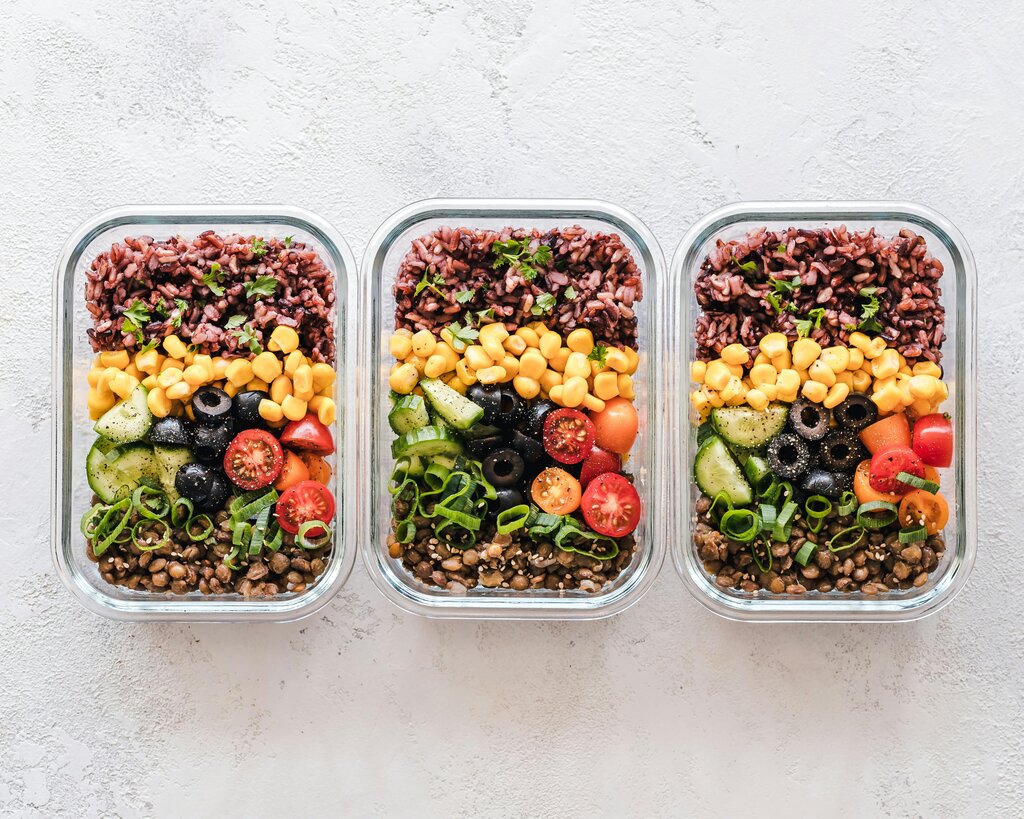
Save Time, Money, and Stress
The most immediate benefit of meal prepping is saving time. Instead of cooking from scratch every night, you cook once and eat multiple times. This frees up your evenings and eliminates the daily question of "What's for dinner?" which can be a surprising source of stress.
Think of it as giving your future self a gift: a ready-to-eat, delicious meal waiting in the fridge.
Meal prepping is also a powerful tool for your budget. Planning meals means you buy only what you need, which cuts down on food waste. Cooking at home is almost always cheaper than buying takeout or restaurant meals. Plus, you can take advantage of buying ingredients like grains, beans, and seasonal vegetables in bulk, which often costs less per unit.
A well-thought-out meal plan can help you improve the quality of your diet or reach a specific health goal while saving you time and money.
Having prepared meals on hand also makes it easier to stick to your health goals. When you're tired and hungry, it's tempting to order a pizza. But if a nutritious, home-cooked meal is ready in minutes, you're more likely to make a healthier choice. You control the ingredients, the portion sizes, and the cooking methods.
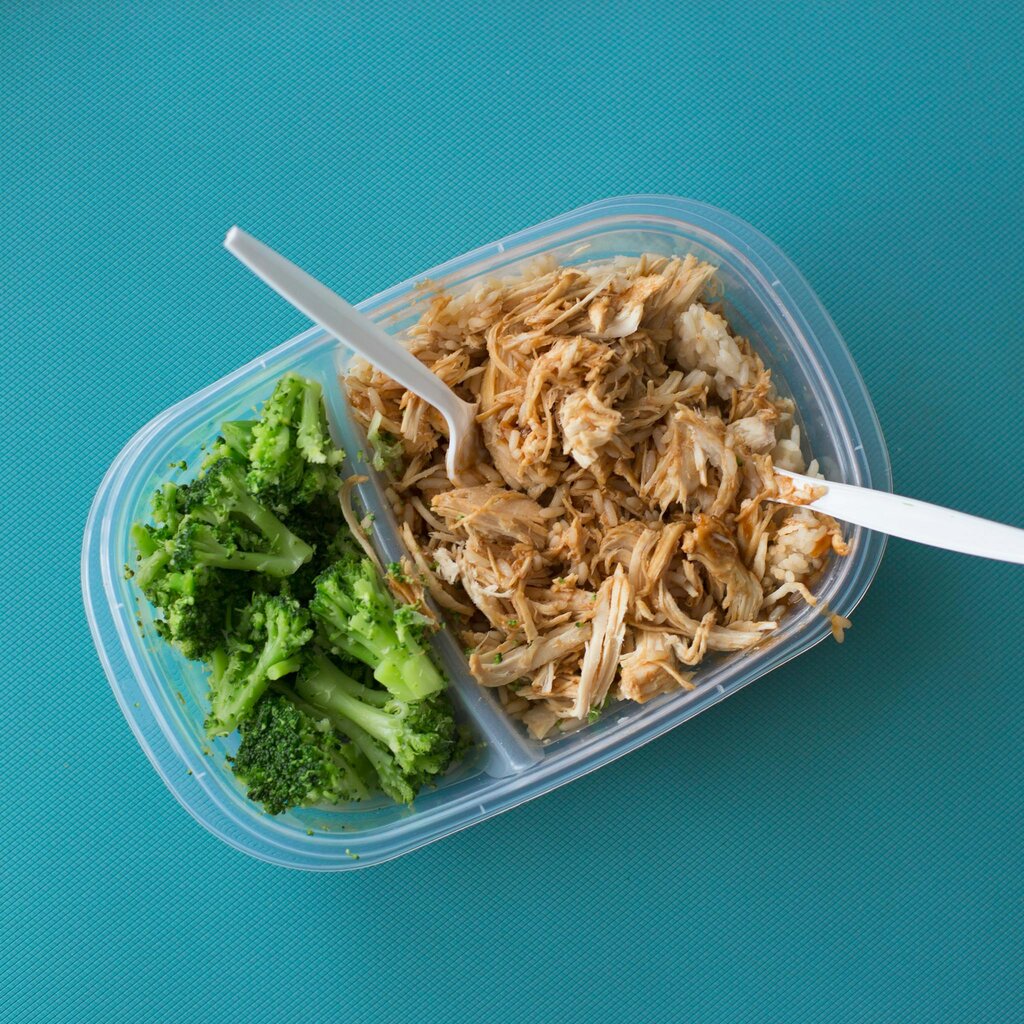
Common Hurdles
Getting started with meal prep can feel daunting. A few common challenges often come up, but they're easy to navigate once you know how.
| Challenge | Solution |
|---|---|
| Feeling Overwhelmed | Start small. Don't try to prep every meal for the week. Begin by preparing just your lunches or chopping veggies for a few dinners. |
| Food Boredom | Prep versatile ingredients instead of full meals. Cook a batch of chicken, quinoa, and roasted vegetables. You can then assemble them in different ways: as a grain bowl, a salad, or a wrap. |
| Finding the Time | Schedule it. Block out one or two hours on a specific day, just like any other appointment. Put on some music or a podcast to make it more enjoyable. |
| Storage Issues | Invest in a good set of clear, stackable containers. This helps you see what you have and keeps your fridge organized. Glass containers are great as they can often go from the fridge to the microwave or oven. |
The key is to find a system that works for your lifestyle. The perfect meal prep plan is the one you can stick with consistently.
Remember, the goal of meal prep is to reduce stress, not create it. If a plan feels too complicated, simplify it.
Ready to check your understanding of these core concepts?
What is the primary goal of meal prepping?
True or False: The only significant benefit of meal prepping is saving time during the week.