Mastering Weekly Meal Prep
Meal Prep Basics
What is Meal Prep?
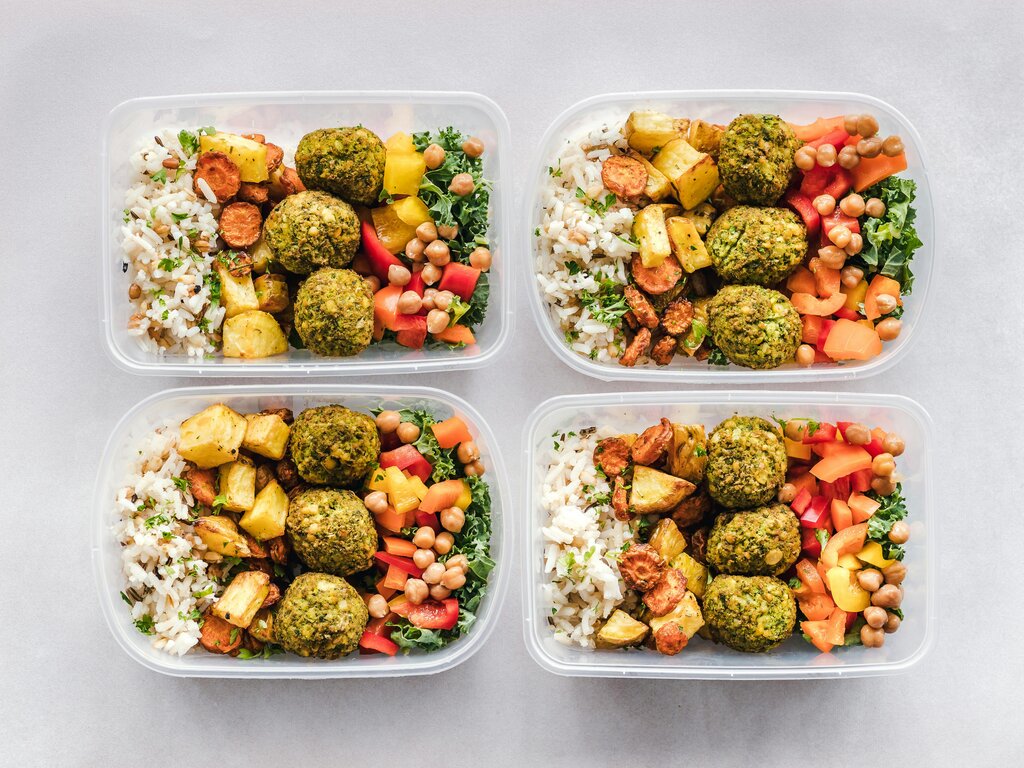
Meal prepping is the simple act of preparing meals ahead of schedule. It’s not about following a strict, complicated system. Instead, it's a flexible approach to food that can be adapted to any lifestyle. You might cook a big batch of grains for the week, chop all your vegetables for salads, or portion out fully cooked lunches and dinners into containers.
The core idea is to do the work upfront to make your week easier, healthier, and less stressful.
By planning what you'll eat, you take the guesswork out of mealtimes. This simple shift helps streamline your routine and frees up mental energy for other things.
Save Time, Reduce Stress
Think about how much time you spend each day deciding what to eat, grocery shopping, cooking, and cleaning up. With meal prep, you condense much of that work into a single block of time, perhaps on a Sunday afternoon. Instead of cooking from scratch every night, you can just grab a container, heat it up, and eat.
This saves a surprising amount of time during the week. It also eliminates the daily stress of figuring out what to make for dinner when you're already tired. When healthy, delicious food is ready and waiting, you're less likely to resort to fast food or expensive takeout.
Meal planning and prep might take a little effort up front, but the payoff is huge—less stress, healthier meals, and more time for what really matters.
Good for Your Wallet
Preparing meals at home is almost always cheaper than eating out. When you plan your meals for the week, you can create a focused grocery list and stick to it. This cuts down on impulse purchases and last-minute trips to the store, where it's easy to overspend.
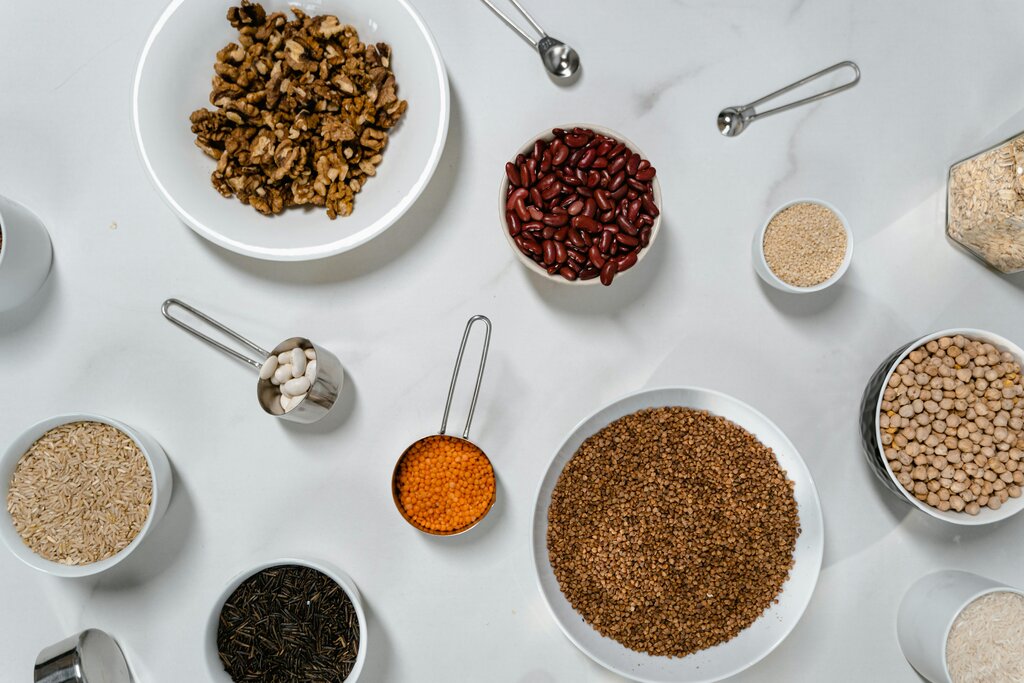
Meal prepping also allows you to buy ingredients in bulk, which often costs less per unit. Things like rice, beans, oats, and pasta are inexpensive staples that form the base of many satisfying meals. Over time, these small savings add up significantly.
A Greener Way to Eat
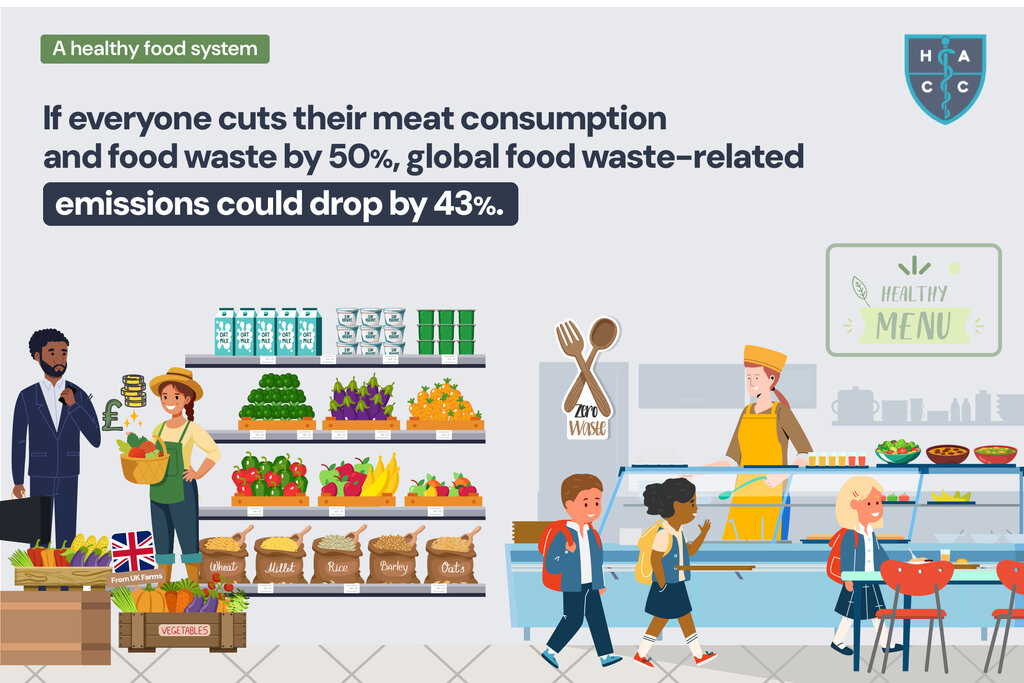
Meal prepping is a powerful tool for living more sustainably. When you plan your meals, you buy only the ingredients you know you'll use. This drastically reduces the amount of food that spoils in your fridge and ends up in the trash.
Food waste is a major environmental issue. Wasted food contributes to greenhouse gas emissions and represents a waste of the water, land, and energy used to produce it. By using what you buy, you're not just saving money; you're also making a positive impact on the planet.
Ready to see what you've learned about the benefits of meal prep?
What is the primary goal of meal prepping?
Meal prepping can help reduce stress during the week primarily by...