Mastering Weekly Meal Prep
Meal Planning Basics
What Is Meal Planning?
Meal planning is simply the act of deciding what you're going to eat ahead of time. Instead of figuring out dinner when you're already hungry, you map out your meals for the next few days or even a full week. This includes everything from breakfast and lunch to dinner and snacks.
The goal is to create a roadmap for your meals. This simple bit of foresight can transform your relationship with food, turning chaotic evenings into calm, organized time in the kitchen.
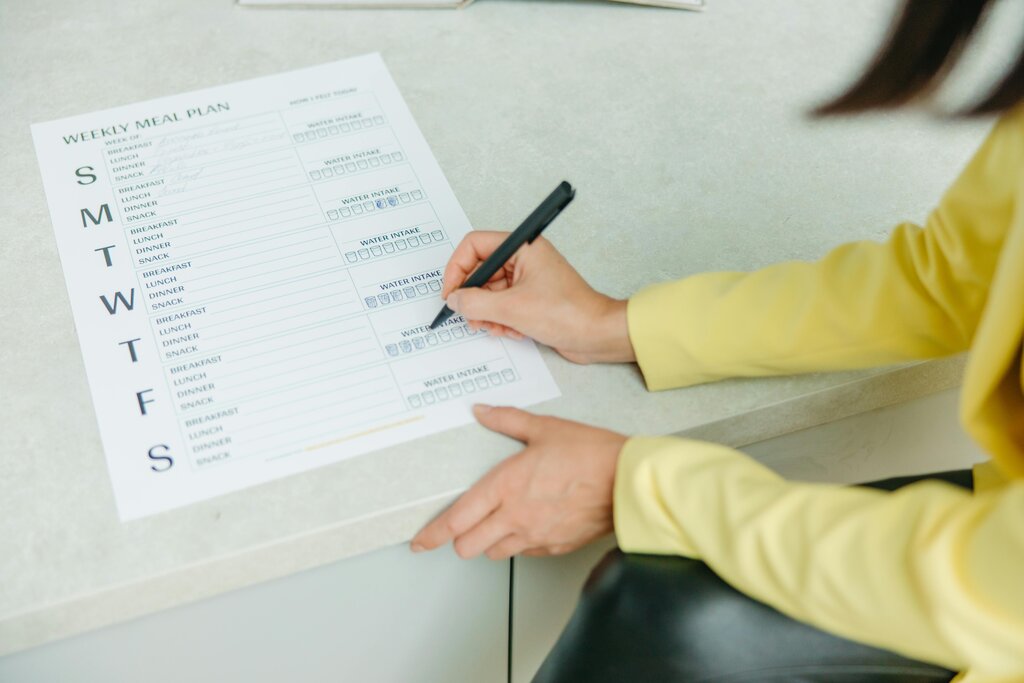
The point of the meal plan is to plan ahead until the next time you go to the store so you’re not scrambling for dinner every night or panicking about what you’ll bring for lunch at work the next day.
By planning ahead, you take control of your kitchen. You know exactly what ingredients you need, which reduces last-minute trips to the grocery store and cuts down on food waste.
Know Thyself
Before you can build a successful meal plan, you need to understand your own needs and preferences. A plan that doesn't fit your lifestyle is a plan you won't follow.
Start by asking a few questions:
- What do you like to eat? List your favorite meals and ingredients. A meal plan should be enjoyable, not a chore.
- What are your health goals? Are you trying to eat more vegetables, add protein, or reduce sugar? Your plan can be tailored to meet these nutritional targets.
- What's your schedule like? Be realistic. If Tuesdays are packed with activities, plan for a quick 20-minute meal or leftovers. Save more complex recipes for days when you have more time.
- Are there any dietary restrictions? Note any allergies, intolerances, or specific diets like vegetarian or gluten-free that you need to accommodate.
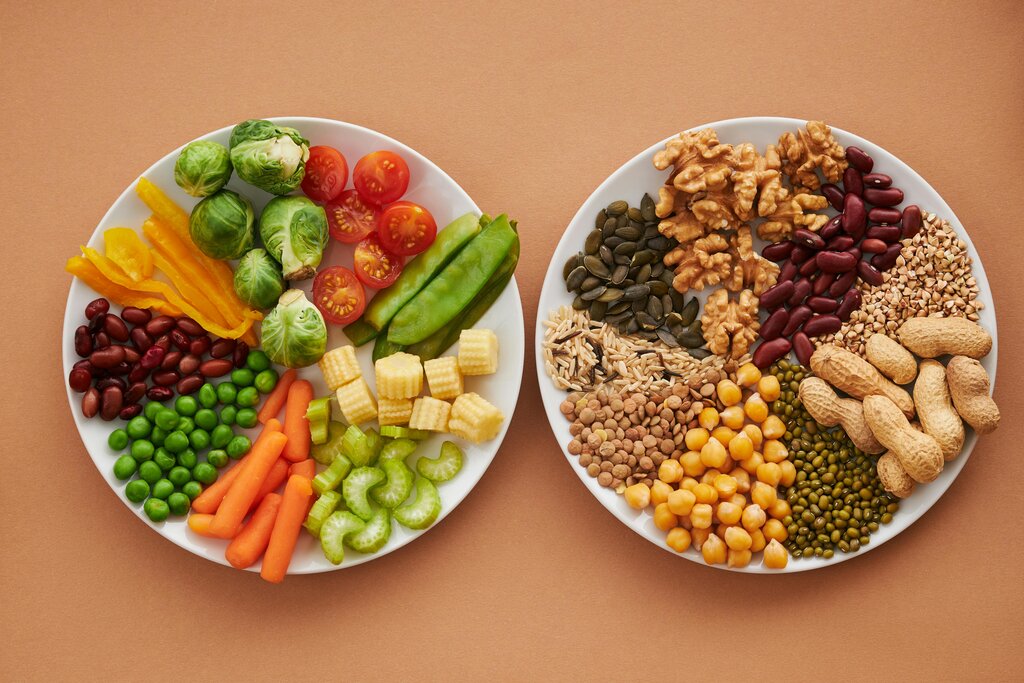
Jotting down the answers to these questions gives you a clear picture of what your ideal week of eating looks like. It’s the foundation for a plan that works for you, not against you.
Build a Balanced Plan
With your personal needs in mind, you can start building your plan. Don't feel pressured to plan every single meal for the entire week right away. It's often easier to start small.
Begin by planning just your dinners for the next three to five days. A simple way to ensure your meals are balanced is to think in terms of components: a protein, a carbohydrate, and a vegetable. This “mix and match” approach makes it easy to create variety without needing a new recipe for every meal.
| Meal Component | Monday | Tuesday | Wednesday |
|---|---|---|---|
| Protein | Chicken | Lentils | Salmon |
| Carbohydrate | Quinoa | Brown Rice | Sweet Potato |
| Vegetable | Roasted Broccoli | Sautéed Peppers | Steamed Asparagus |
Another great strategy is to use theme nights. This simplifies decision-making. For example, you could have Meatless Monday, Taco Tuesday, or Stir-fry Friday. Themes provide a helpful structure while still allowing for creativity.
Start with what you have. Check your pantry, fridge, and freezer before you plan. Building meals around ingredients you already own saves money and prevents waste.
Tools of the Trade
You don't need fancy software to plan your meals. The best tool is the one you'll actually use. For some, that's a simple pen and paper.
A notebook, a weekly planner, or even a whiteboard on your fridge can work perfectly. The physical act of writing things down can help solidify your plan. If you prefer a digital approach, there are many apps and websites designed for meal planning. These tools can help you find recipes, generate shopping lists, and keep everything organized on your phone.
Some popular apps include:
- Paprika: A recipe manager that helps you plan meals and create grocery lists from your saved recipes.
- Mealime: Generates personalized meal plans and shopping lists based on your dietary preferences and household size.
- Plan to Eat: An online tool that lets you clip recipes from anywhere on the web and drag them onto a weekly calendar to create a plan.
Now, let's test what you've learned about the fundamentals of meal planning.
What is the primary goal of meal planning?
When creating a meal plan, it's best to start by planning every single meal and snack for an entire month.
Meal planning is a flexible skill. By starting with these basics, you can create a simple routine that saves you time, reduces stress, and helps you eat well.