Mastering Weekly Meal Prep
Meal Planning Basics
What is Meal Planning?
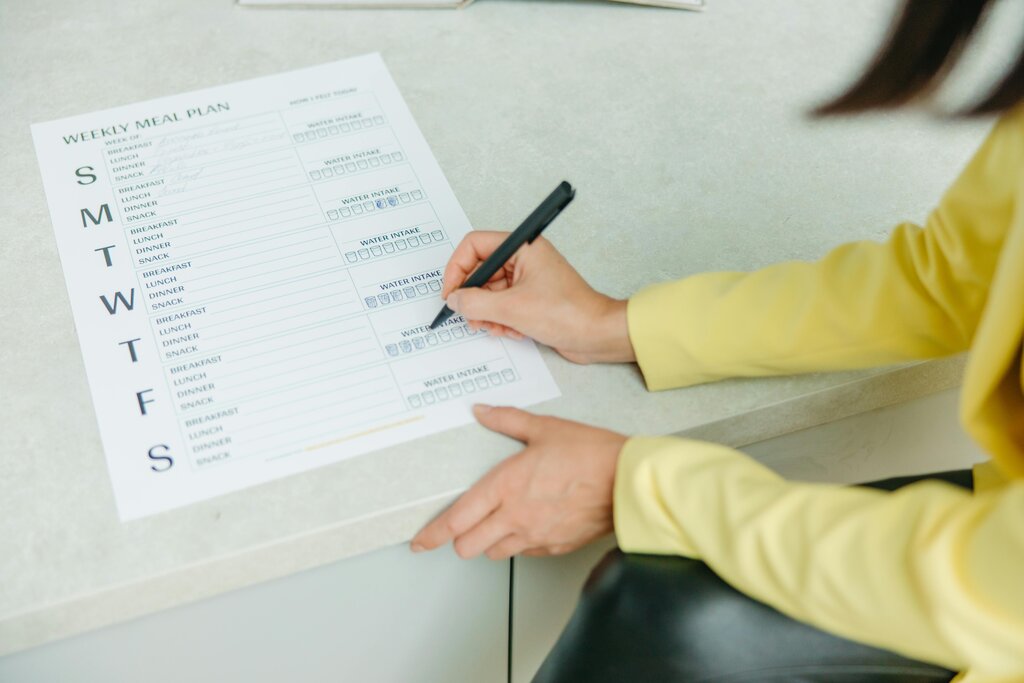
Meal planning is simply the act of deciding what you’ll eat ahead of time. Instead of figuring out dinner when you're already hungry, you create a roadmap for your meals, whether it's for a few days or an entire week. This simple habit can transform your relationship with food.
A well-thought-out meal plan can help you improve the quality of your diet or reach a specific health goal while saving you time and money.
When you plan your meals, you take control. You're less likely to grab expensive takeout or unhealthy options because you already have a delicious, thought-out meal waiting. Planning also helps you use the food you buy, which means less waste and more savings. By making a shopping list based on your plan, you avoid impulse buys and stick to what you actually need.
Building a Balanced Plate
A key part of successful meal planning is creating balanced meals. This doesn't require a nutrition degree, just a basic understanding of what your body needs. A balanced plate provides the energy and nutrients to feel your best.
Think about including these four components in your main meals:
| Food Group | Purpose | Examples |
|---|---|---|
| Lean Protein | Builds and repairs tissue | Chicken, fish, beans, lentils, tofu, eggs |
| Complex Carbs | Provides sustained energy | Brown rice, quinoa, oats, sweet potatoes |
| Healthy Fats | Supports brain health | Avocado, nuts, seeds, olive oil |
| Fruits & Veggies | Rich in vitamins and fiber | Spinach, broccoli, berries, apples, peppers |
Your goal isn't perfection with every single meal. It's about aiming for a colorful and varied plate most of the time. The more colors you see, the wider the range of nutrients you're likely getting.
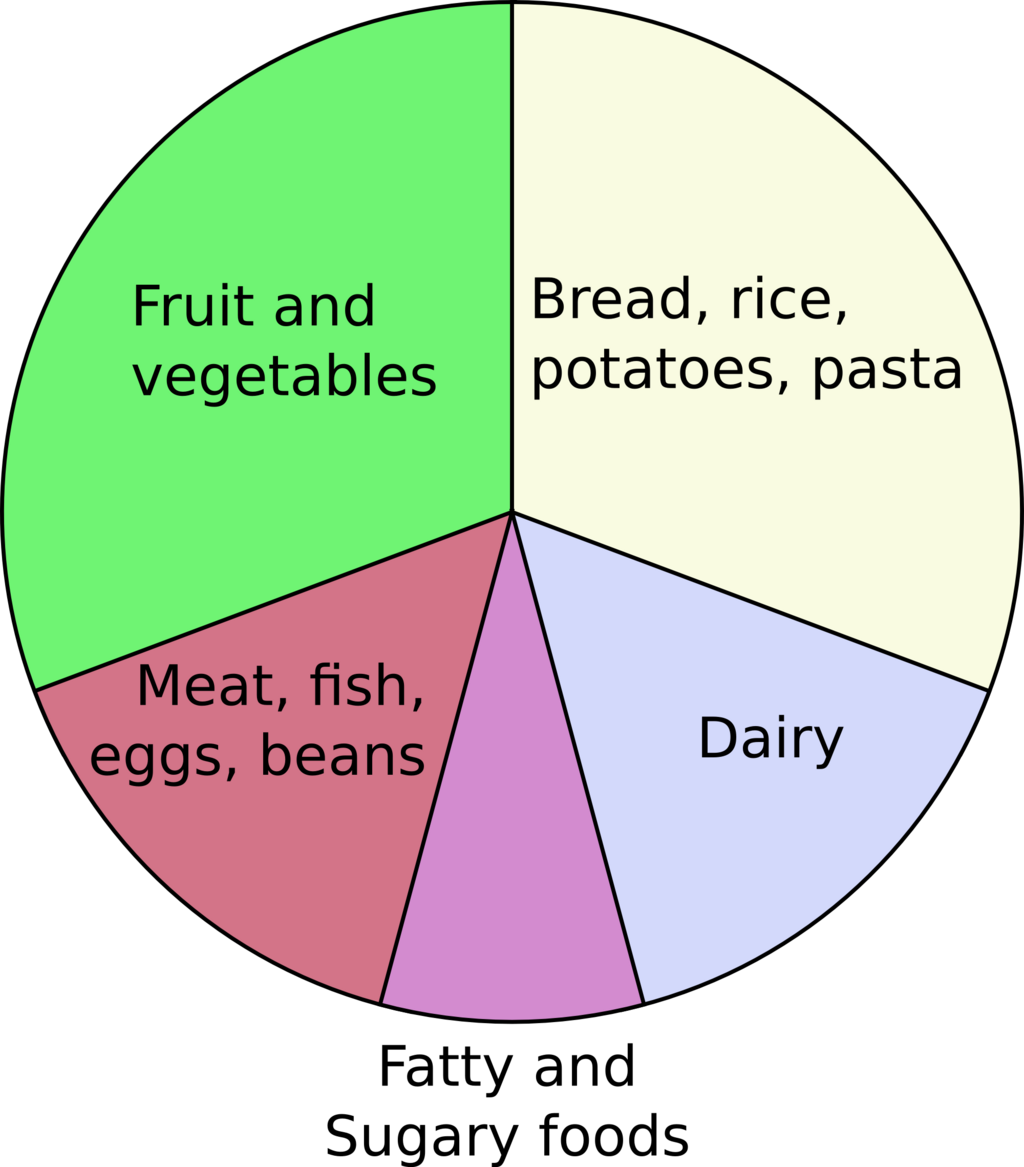
A simple rule of thumb: Fill half your plate with vegetables and fruit, one quarter with lean protein, and one quarter with complex carbohydrates.
Understanding Portion Sizes
Portion size is about how much food you choose to eat at one time, which is different from a serving size listed on a nutrition label. Getting portions right helps you eat a balanced diet without overeating.
You don't need measuring cups for every meal. A surprisingly effective tool is right at the end of your arm: your hand.
These are just estimates, but they are a great starting point. Paying attention to your body’s hunger and fullness cues is just as important. Eat when you're hungry and stop when you're satisfied, not stuffed.
Ready to check your understanding of these core concepts?
What is a primary benefit of meal planning, according to the text?
Which of these is NOT one of the four recommended components for building a balanced plate?
With these fundamentals, you have a solid foundation for building a meal planning habit that works for you.