Mastering Weekly Meal Prep
Meal Planning Basics
Start with a Plan
The daily question of "what's for dinner?" can feel like a chore. Meal planning is a simple way to answer that question ahead of time. It’s the process of deciding what you’ll eat for a set period, like the upcoming week. This small bit of foresight can make a big difference, helping you save time during busy weekdays and manage your grocery budget more effectively.
Planning and preparing meals and snacks ahead of time can save you time, reduce stress around mealtime, help improve diet quality, and help you reach and maintain a healthy body weight.
Getting started doesn't require a complicated system. It begins with understanding what you need and what you want to achieve.
Know Your Needs and Goals
Before you can plan, you need to assess your starting point. Take a moment to think about your current eating habits. You don't need to count every calorie. Just observe. How many days a week do you cook dinner versus ordering takeout? What does a typical breakfast look like? Are there certain foods you wish you ate more of, like fruits or vegetables?
This isn't about judgment; it's about gathering information. Knowing your patterns helps you set realistic goals. For example, if you currently cook twice a week, a goal of cooking three times next week is much more achievable than jumping to seven. Maybe your goal is to pack lunch for work twice a week or to try one new vegetable.
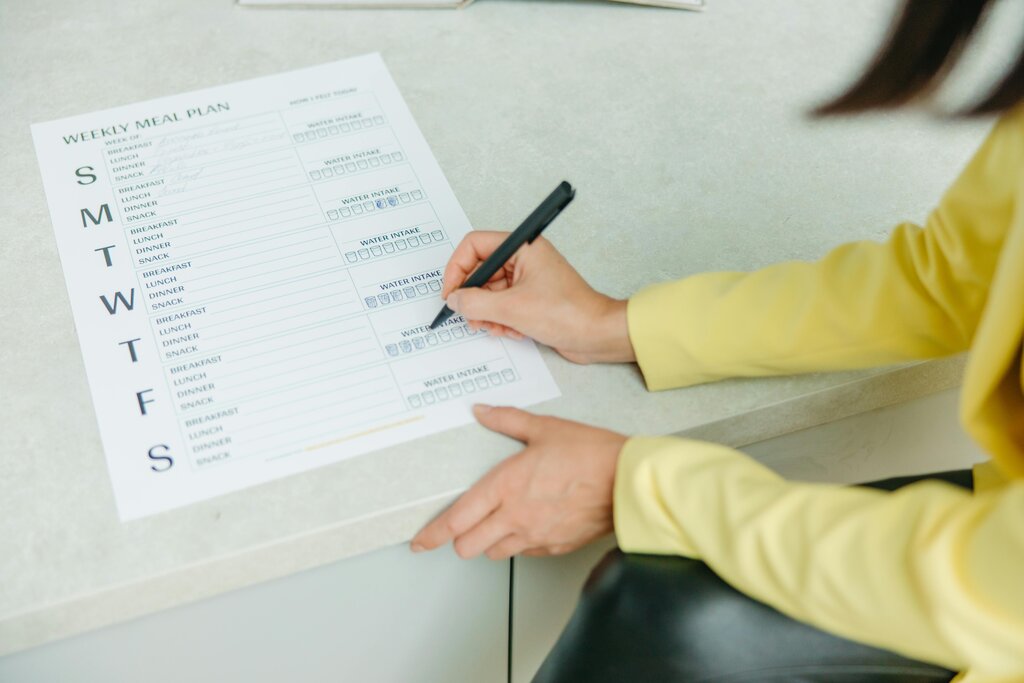
Write your goals down. Clear, simple goals turn the vague idea of “eating better” into a concrete plan you can follow.
Building a Balanced Plate
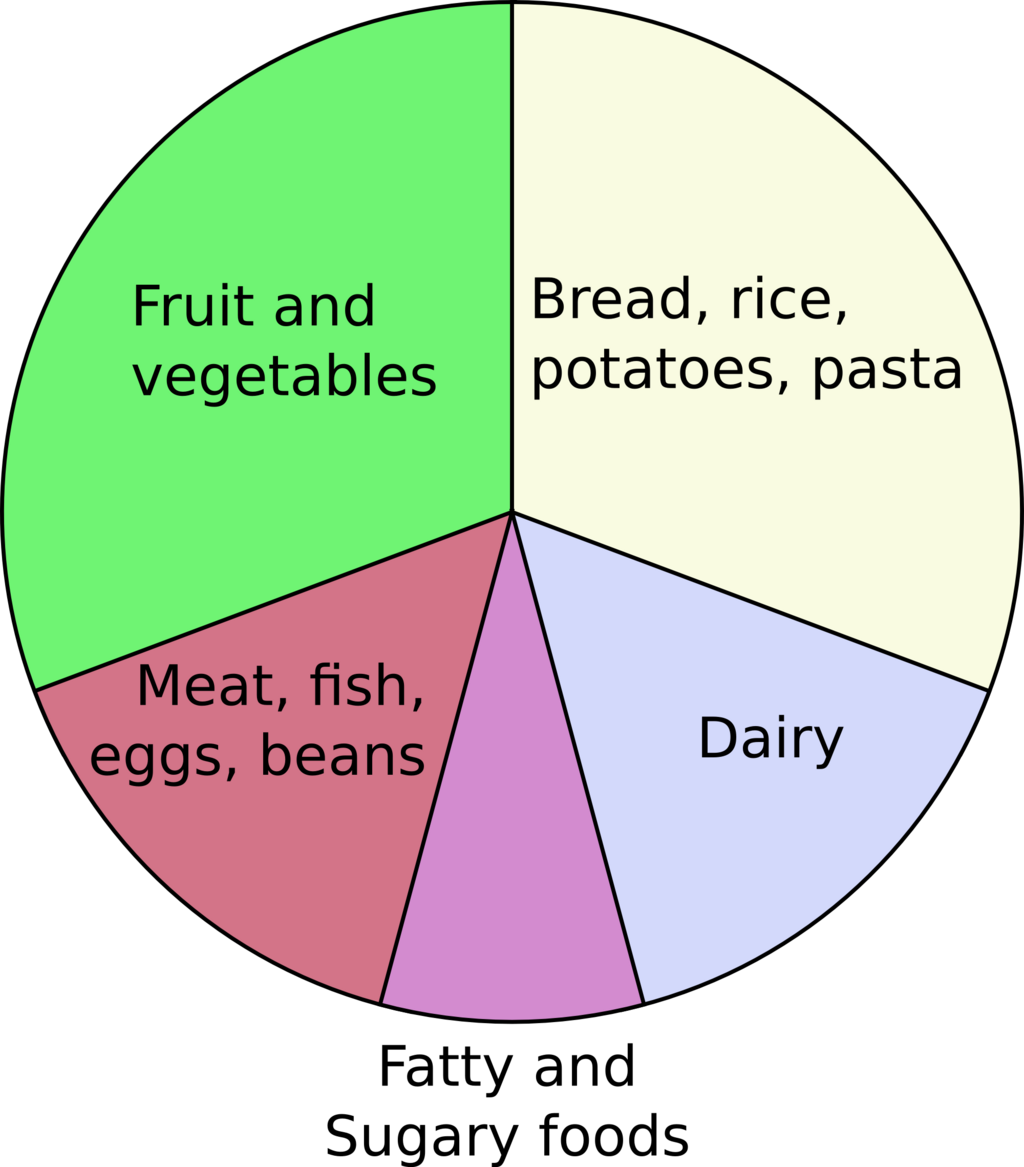
Once you have your goals, you can start building your plan. A balanced meal generally includes a mix of different food groups. Think of your plate as a guide. A good starting point is to fill half your plate with fruits and vegetables, a quarter with a protein source, and a quarter with grains or other carbohydrates.
Protein sources can include things like chicken, fish, beans, lentils, or tofu. For carbohydrates, you might choose rice, pasta, potatoes, or quinoa. This isn't a strict rule, but a helpful visual to ensure you're getting a variety of nutrients.
Portion size is simply the amount of a food you choose to eat at one time. It's different from a serving size, which is a standardized measurement you might see on a nutrition label. When you prepare meals at home, you have more control over your portions. Using smaller plates can be a surprisingly effective trick for managing portion sizes without feeling deprived.
Variety is key. Eating a wide range of foods ensures you get different vitamins and minerals, and it also keeps meals interesting.
Try to incorporate different colors into your meals each day. A meal with greens, reds, and oranges is not only visually appealing but also likely to be nutritionally diverse.
Stay Flexible
A meal plan is a guide, not a contract. Life is unpredictable. You might get a last-minute dinner invitation, or you might not be in the mood for what you had planned. That’s perfectly fine.
The goal of planning is to reduce stress, not create it. If you need to swap days around or opt for a quick pantry meal instead of what was on the schedule, do it. You can even plan for flexibility by building a leftover night into your week or keeping ingredients for a simple, 15-minute meal on hand for emergencies.
Think of your meal plan as a helpful suggestion for your future self.
Now let's check your understanding of these core concepts.
What is the primary benefit of meal planning as described in the text?
What is the recommended first step before creating a meal plan?
By starting with these simple steps, you build a foundation for a meal planning habit that works for you, making your week smoother and healthier.