Mastering Weekly Meal Prep
Meal Planning Basics
What's for Dinner Tonight?
It's a question that can bring on a wave of stress every evening. You're tired, you're hungry, and the fridge is a random assortment of ingredients. The easy option is often takeout, which can be tough on your wallet and your health goals.
Meal planning is the simple fix to this daily dilemma. It’s the act of deciding what you’ll eat for a period of time—usually a week—before you even step foot in a grocery store. It sounds simple, and it is. But the impact is huge. A little bit of planning ahead saves you time, money, and a lot of last-minute stress.
A well-thought-out meal plan can help you improve the quality of your diet or reach a specific health goal while saving you time and money.
Start With What You Have
Before you dream up a week of elaborate new recipes, take a look at what you already own. Open your pantry, fridge, and freezer. What ingredients need to be used up? That half-bag of lentils, the frozen chicken breasts, the can of tomatoes—these are your starting points.
Building meals around ingredients you already have is the fastest way to reduce food waste and lower your grocery bill. Make a quick list of these items. This isn't just an inventory check; it's the foundation of your first meal plan.
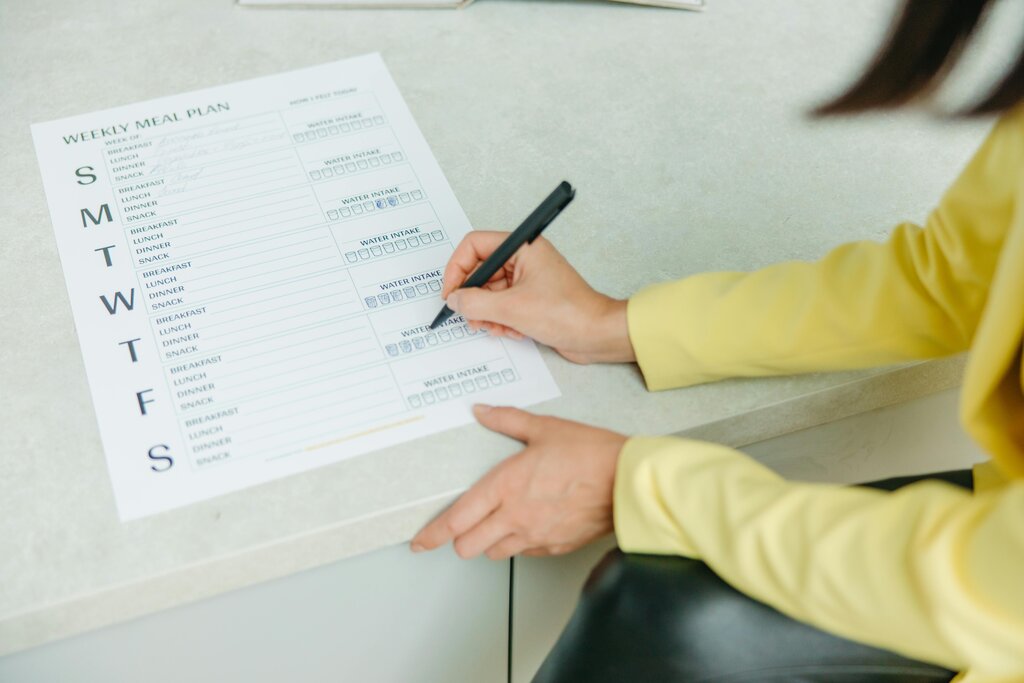
Next, think about your life. What does your upcoming week look like? If you know you'll be working late on Tuesday, plan for a quick 20-minute meal or leftovers. If you have a relaxed Sunday afternoon, maybe that’s the day to try a more involved recipe. Your meal plan should work for your real life, not an imaginary one where you have endless time to cook.
Set Simple, Realistic Goals
You don't need to plan every single breakfast, lunch, dinner, and snack from day one. That's a recipe for burnout. Start small and build momentum.
What's one thing you'd like to improve? Maybe your goal is to stop buying expensive lunches at work. If so, your goal for the week could be to pack lunch three times. Or perhaps you want to eat more vegetables. Your goal might be to include one vegetable with every dinner.
Here are some examples of great starting goals:
- Plan and cook three dinners this week.
- Pack lunch for work twice.
- Eat breakfast at home every weekday.
Choose one goal that feels manageable and focus on that. Once it becomes a habit, you can add another.
Build a Balanced Plate
Creating a balanced meal doesn't require a nutrition degree. A simple guideline is to divide your plate into three sections: protein, carbohydrates, and vegetables. Aim to include something from each category in your main meals.
- Protein: This helps you feel full. Think chicken, fish, beans, lentils, tofu, or eggs.
- Carbohydrates: These provide energy. Good sources include brown rice, quinoa, whole-wheat pasta, sweet potatoes, and bread.
- Vegetables: Pack your plate with color. Broccoli, spinach, bell peppers, carrots, and zucchini are all great options.
This framework makes building meals easy. For example, grilled chicken (protein), quinoa (carb), and roasted broccoli (vegetable) is a simple, balanced, and delicious dinner.
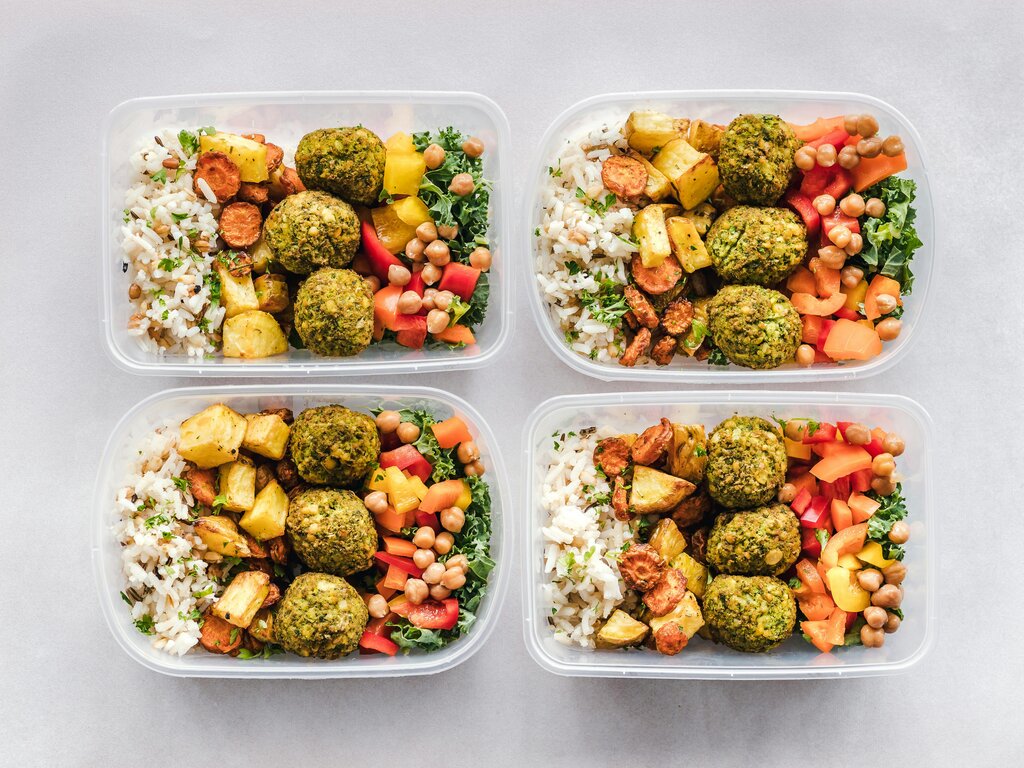
Portion size is also a key piece of the puzzle. You don't need to carry measuring cups everywhere, but having a general idea of serving sizes can help. A simple visual guide is to use your hand.
- A serving of protein (like chicken or fish) is about the size of your palm.
- A serving of carbs (like rice or pasta) is about the size of your cupped hand.
- A serving of vegetables should be about the size of your fist, or more!
Using these simple guides helps you eat satisfying meals without overdoing it, which is good for both your health and your budget.
By planning meals around shared ingredients, you can make your grocery list shorter and your prep time quicker. For instance, a large batch of roasted sweet potatoes can be a dinner side dish on Monday and part of a lunch bowl on Wednesday.
Ready to test what you've learned about getting started?
According to the principles of effective meal planning, what is the best first step to take?
When just starting out, a beginner should immediately try to plan every single meal for the entire week to be successful.
With these basics, you're ready to take control of your kitchen. The goal isn't perfection; it's progress. A little planning goes a long way.