Mastering Weekly Meal Prep
Meal Planning Basics
Why Plan Your Meals?
Deciding what to eat every day can feel like a chore. Meal planning is a simple way to take control of your kitchen, turning a daily question mark into a straightforward plan. The biggest wins? You'll save time, spend less on groceries, and cut down on food waste.
A well-thought-out meal plan can help you improve the quality of your diet or reach a specific health goal while saving you time and money.
Instead of making last-minute trips to the store for a forgotten ingredient or opting for expensive takeout, you'll have everything you need on hand. This small bit of foresight frees up mental energy during a busy week and helps you make healthier choices without extra effort.
Start with What You Have
Before you write a single menu, take a look around your kitchen. Your pantry, fridge, and freezer are your starting points. What do you already have? Maybe there's a can of beans, a bag of frozen vegetables, or a box of pasta hiding in the back. Planning meals around these items is the fastest way to save money and prevent food from expiring.

Next, think about what you actually like to eat. For one week, jot down your meals and snacks. No need to be perfect. This quick audit reveals your go-to foods and eating patterns. Do you skip breakfast? Rely on sandwiches for lunch? This isn't about judgment; it's about gathering information to build a plan that works for you, not against you.
Build your meal plan around ingredients you already own. It’s a simple strategy that saves money and ensures nothing goes to waste.
Build Your Weekly Plan
With an inventory of your kitchen and a clear picture of your habits, you’re ready to create a plan. This process shouldn't be complicated. The goal is to make your life easier.
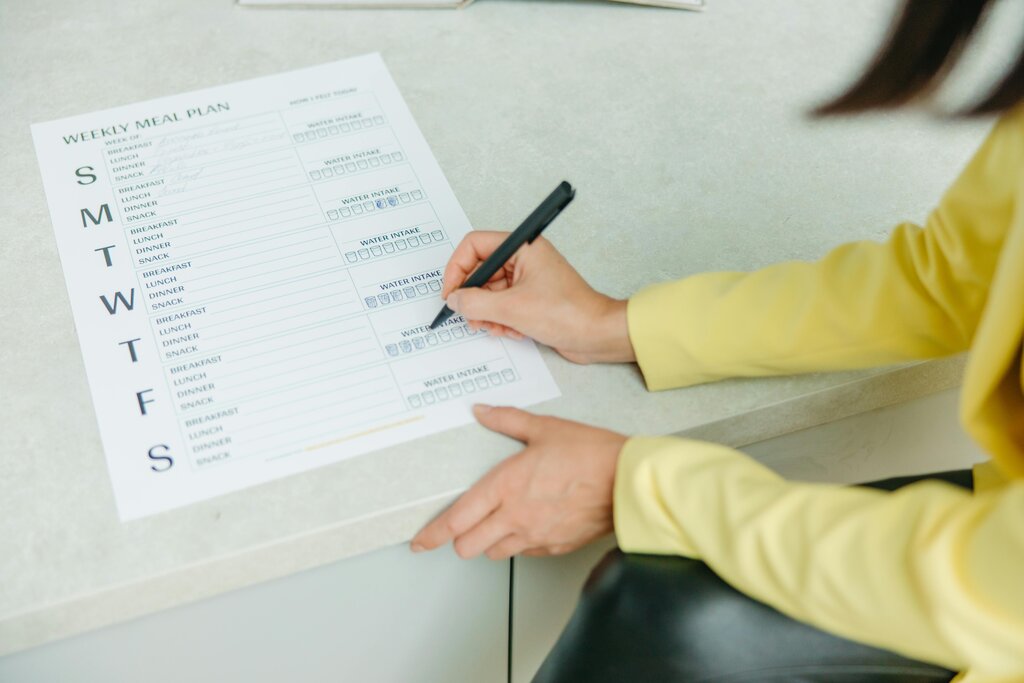
First, pick a time to plan. Set aside 30 minutes on the same day each week, like Sunday afternoon. Consistency turns planning into a low-effort habit.
Next, fill in your meals. You don’t need to plan every single meal and snack from day one. Start small. Plan just your dinners for the week, or maybe lunches for work. You can use themes to simplify decisions, like "Meatless Monday" or "Taco Tuesday." This little bit of structure can spark ideas and make the process more fun.
Using themed meal days (like Meatless Mondays, Taco Tuesdays, or Stir-Fry Fridays) can simplify your meal planning.
As you choose your meals, aim for balance. A simple way to think about this is to include a variety of food groups. Try to get a source of protein (like chicken, beans, or tofu), some vegetables, and a carbohydrate (like rice, potatoes, or pasta) in each main meal. Don’t overthink it. A colorful plate is often a balanced one.
Shop Smart
Once your meal plan is set, create your shopping list. This is your secret weapon at the grocery store. Go through your planned recipes and write down only what you need. A list keeps you focused and helps you avoid impulse buys that drive up your bill.
To save even more, glance at your local store's weekly flyers or website. If chicken or broccoli is on sale, consider swapping it into one of your planned meals. Planning around sales and seasonal produce is a powerful way to reduce your grocery spending without sacrificing quality.
And that's it. You now have a clear roadmap for your week's meals. A little planning goes a long way toward a less stressful, more affordable, and healthier week.