Mastering Weekly Meal Prep
Meal Planning Basics
The What and Why of Meal Planning
Meal planning is simply deciding what you’re going to eat ahead of time. Instead of staring into the fridge at 6 PM wondering what to make, you have a roadmap for the week. This simple habit can drastically change your daily routine.
The biggest wins are time and money. When you have a plan, you make fewer trips to the grocery store. You also avoid the last-minute decision to order takeout, which can quickly add up. Planning helps you use the food you buy, leading to less waste and a lower grocery bill.
A well-thought-out meal plan can help you improve the quality of your diet or reach a specific health goal while saving you time and money.
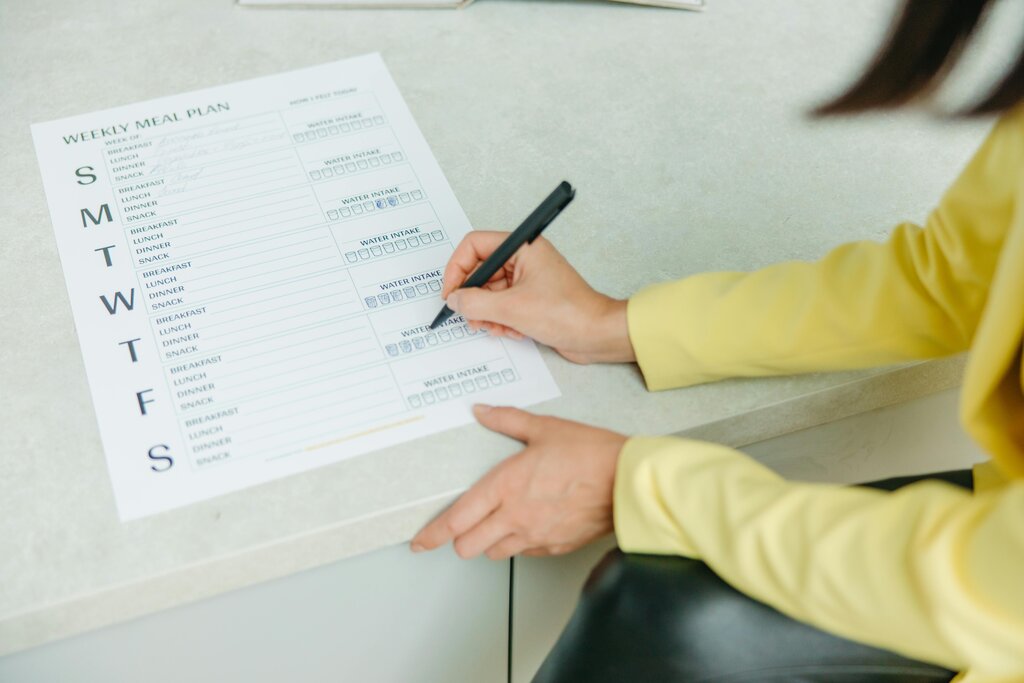
Start with What You Have and What You Like
Before you even think about new recipes, look at what you already have. Check your pantry, fridge, and freezer. That half-empty bag of quinoa, the frozen chicken breasts, and the can of black beans are the perfect starting points for your first few meals. This “pantry-first” approach is the key to minimizing food waste.
Next, consider your own needs and preferences. Are you feeding a family of four or just yourself? Do you have any allergies or dietary restrictions? What's your schedule like? If Wednesdays are always busy, plan for a quick meal or leftovers that night. Write down a list of 5-10 meals you already know and enjoy. These are your go-to options that won't require learning a new recipe on a hectic weeknight.
Building a meal plan around what's already in your kitchen is the fastest way to save money and reduce waste.
Creating a Balanced Week
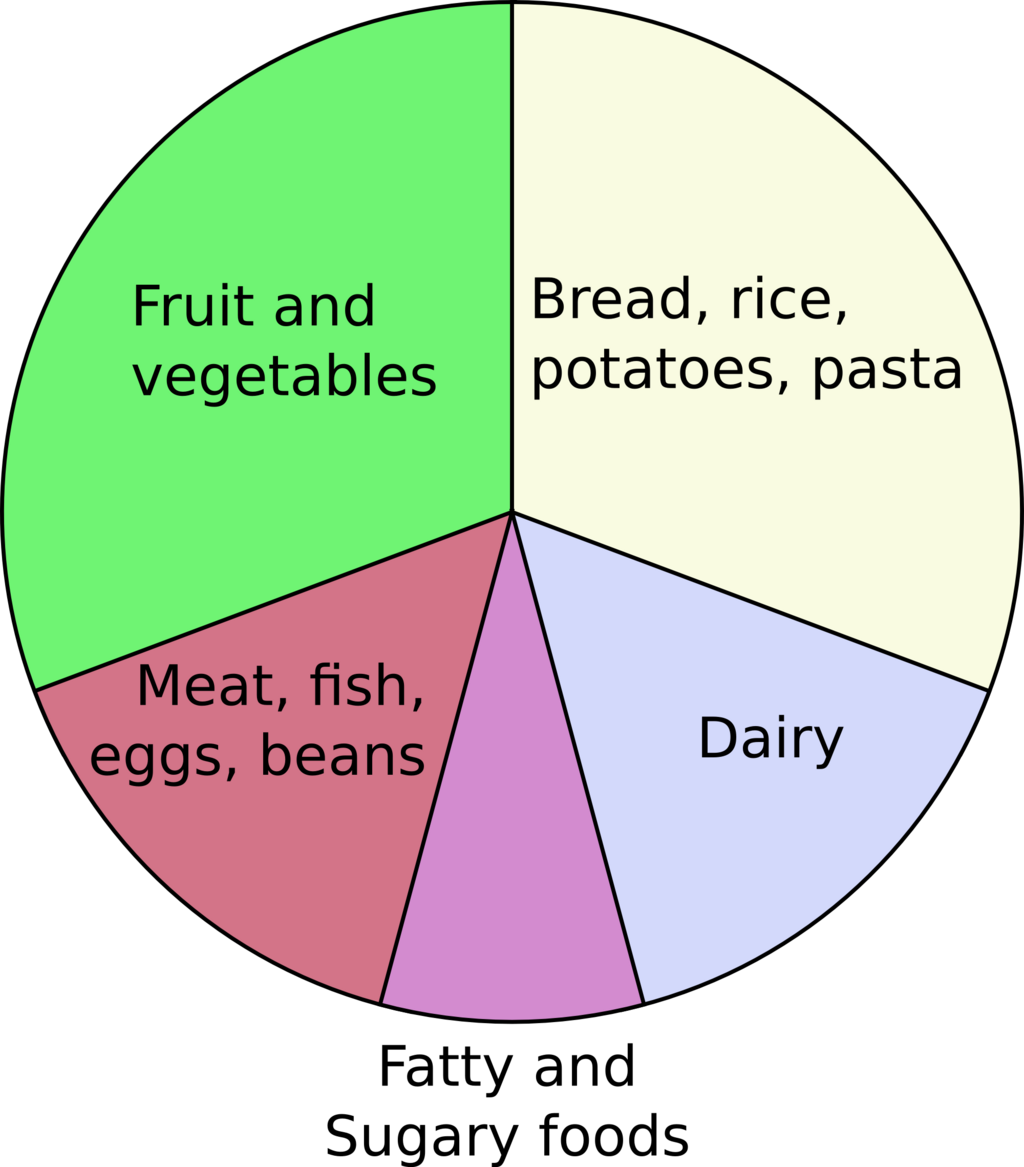
A good meal plan includes variety and balance. You don't need to be a nutritionist to create healthy meals. A simple guideline for a balanced plate is to include three main components:
- Protein: Chicken, fish, beans, tofu, lentils, or eggs.
- Complex Carbohydrates: Brown rice, quinoa, whole-wheat pasta, sweet potatoes, or oats.
- Vegetables and Healthy Fats: Think leafy greens, broccoli, bell peppers, avocados, nuts, and seeds.
Aim for variety throughout the week. Eating a wide range of foods not only keeps things interesting but also ensures you're getting a diverse array of nutrients. Don't forget about portion sizes. Planning helps you prepare appropriate amounts of food, which is useful for managing your diet and preventing excess leftovers.
A simple weekly plan might look something like this. Notice how some ingredients, like chicken, can be used in different meals.
| Day | Breakfast | Lunch | Dinner |
|---|---|---|---|
| Monday | Oatmeal & Berries | Leftover Chicken Stir-fry | Chicken Stir-fry with Brown Rice |
| Tuesday | Yogurt & Granola | Lentil Soup & Whole-Wheat Bread | Tacos with Black Beans & Veggies |
| Wednesday | Scrambled Eggs | Leftover Tacos (as a salad) | Pasta with Tomato Sauce & Spinach |
Shop Smart with Sales and Seasons
Once you have a rough plan, you can write your grocery list. This is where you can really maximize your savings. Before finalizing your meals, check your local grocery store's weekly flyer or website.
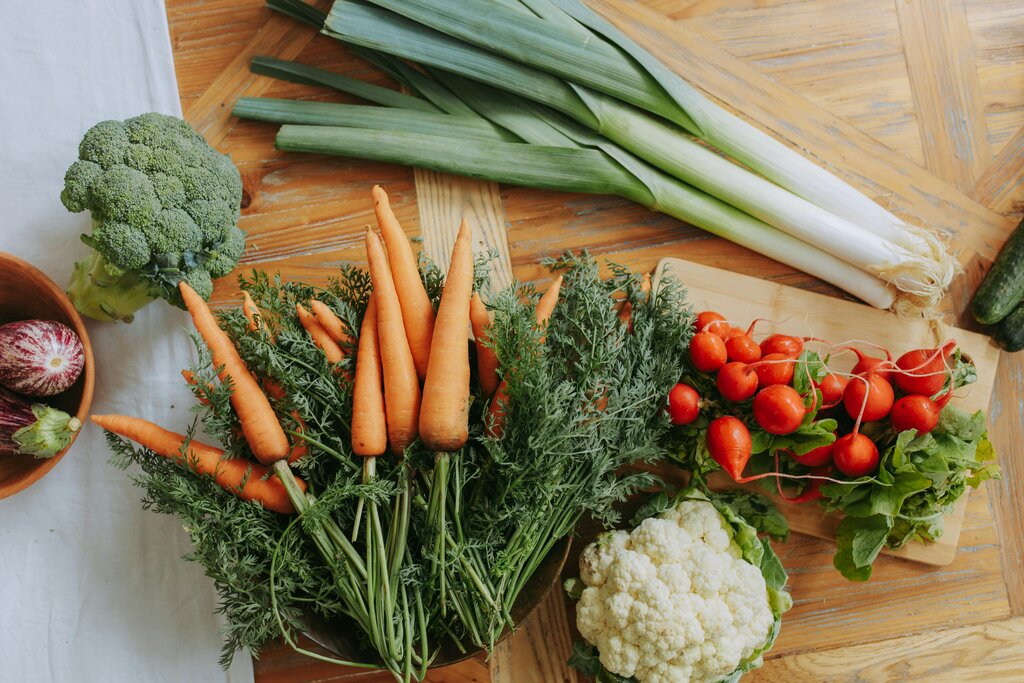
If broccoli is on sale, plan for a broccoli-centric dish. If it's summer, fresh corn and tomatoes will be cheaper and taste better. Planning your meals around seasonal produce and sale items is a powerful strategy. It forces you to be flexible and creative, and it significantly cuts down your grocery bill. Your meal plan doesn't need to be rigid. Think of it as a guide that you can adapt based on the best deals you find.
Ready to test what you've learned about the basics of meal planning?
What are the primary benefits of meal planning discussed in the text?
What is the recommended first step when you begin to create your weekly meal plan?
By planning ahead, you take control of your meals, your budget, and your time. It’s a small investment that pays off all week long.