Mastering Weekly Meal Prep
Meal Planning Basics
The What and Why of Meal Planning
Meal planning is simply the act of deciding what you’re going to eat ahead of time. It’s not about rigid diets or complicated recipes. It’s a tool to make your life easier, save you money on groceries, and reduce the daily stress of figuring out what’s for dinner.
A well-thought-out meal plan can help you improve the quality of your diet or reach a specific health goal while saving you time and money.
By thinking ahead, you can shop with a purpose, use the ingredients you buy, and avoid last-minute, expensive takeout. The goal isn't perfection; it’s about creating a simple, repeatable system that works for your life.
Know Thyself and Thy Pantry
Before you can plan, you need to know what you’re working with. This starts with two key assessments: your household’s needs and your kitchen’s inventory.
First, consider your dietary needs and preferences. Are there any allergies or dietary restrictions? What are your health goals? Do you need quick 20-minute meals on weeknights? And most importantly, what foods do you and your family genuinely enjoy eating? A meal plan filled with food nobody wants is destined to fail.
Next, take stock of what you already have. Look through your pantry, refrigerator, and freezer. What ingredients need to be used soon? Jot down everything you find. This quick audit is the secret to cutting down your grocery bill.
The cheapest ingredients are the ones you have already paid for. Planning meals around them is the fastest way to save money and prevent food waste.
Creating Your First Plan
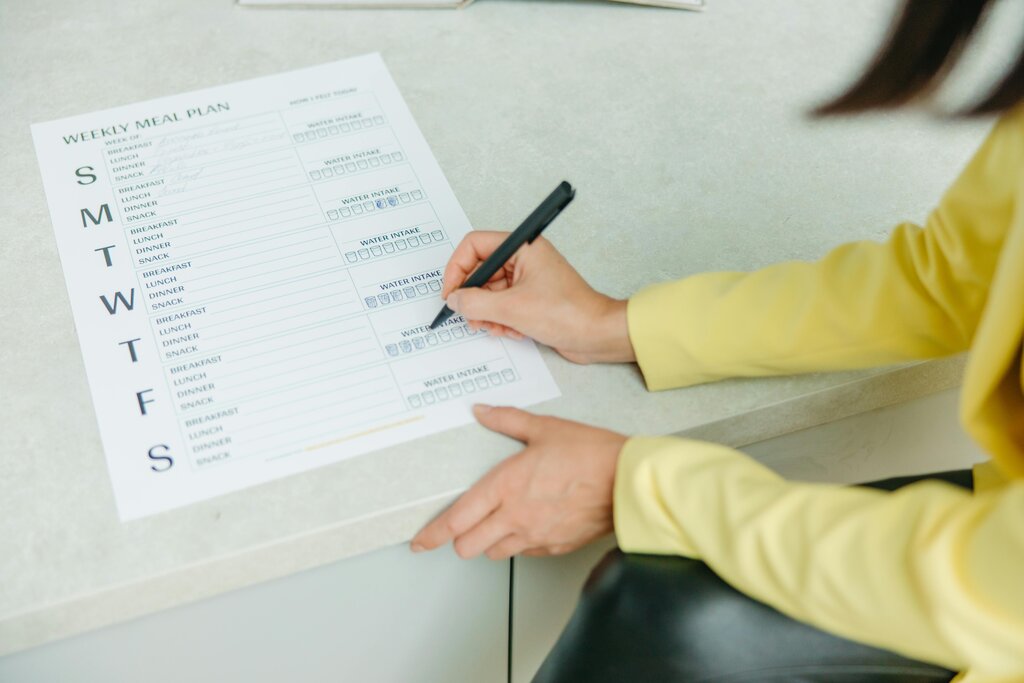
You have your goals and your inventory. Now it's time to build the plan. Grab a piece of paper, a notebook, or a digital app. Don't try to plan every single meal for the next month. Start small.
Aim to plan just your dinners for one week. Here's a simple process:
- Assign a theme (optional): To make decisions easier, try theme nights. Think "Meatless Monday," "Taco Tuesday," or "Pasta Night." This narrows down your options instantly.
- Pick your recipes: Based on your themes and the ingredients you have on hand, choose a few simple recipes. If you have ground beef, bell peppers, and tortillas, Taco Tuesday is a natural fit.
- Think in components: Aim for a balanced plate. A good rule of thumb is to include a protein (like chicken, beans, or tofu), a carbohydrate (like rice, pasta, or potatoes), and a vegetable (like broccoli, salad, or carrots).
- Write it down: Fill in your calendar for the week. Knowing that Wednesday is "Spaghetti and Salad" removes all guesswork when you get home from work.
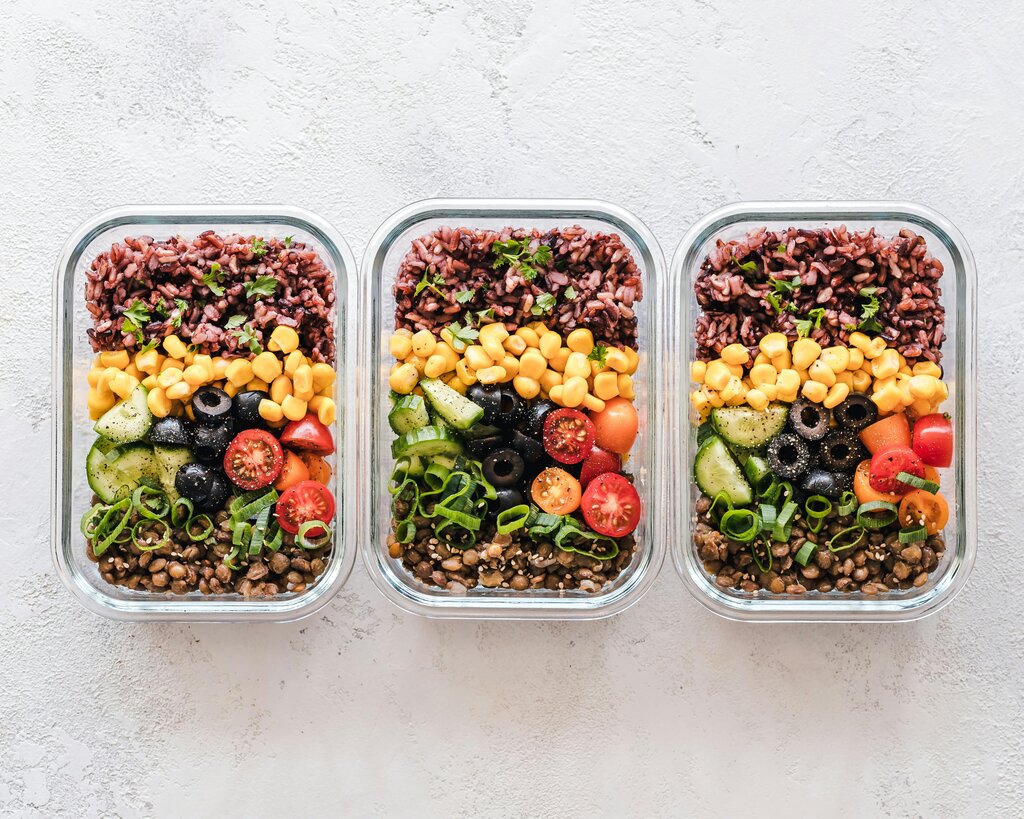
Understanding portion sizes is crucial here. You don’t need measuring cups for everything, but having a general idea of a serving helps you buy the right amount of food and avoid making far too much. For example, a serving of protein is often about the size of your palm, while a serving of grains is about the size of a cupped hand. This awareness helps you build balanced meals and minimize leftovers that might go to waste.
What is the primary goal of meal planning, according to the provided text?
Before creating a weekly meal plan, what are the two crucial first steps you should take?
With these basics, you have a framework for creating a meal plan that fits your life. It’s a skill that gets easier and faster with practice.