Mastering Weekly Meal Prep
Understanding Meal Planning
What is Meal Planning?
Meal planning is simply deciding what you'll eat for a future period, whether that's for the next three days or the entire week. Instead of asking "What's for dinner?" every night, you already have an answer. It's a roadmap for your meals.
This simple habit has some powerful benefits. When you know what you need to buy, you make fewer trips to the grocery store and are less likely to make impulse purchases, which saves money. You also reduce food waste because every ingredient has a purpose. Perhaps the biggest benefit is saving mental energy. The daily decision of what to cook is already made, freeing you up to focus on other things.
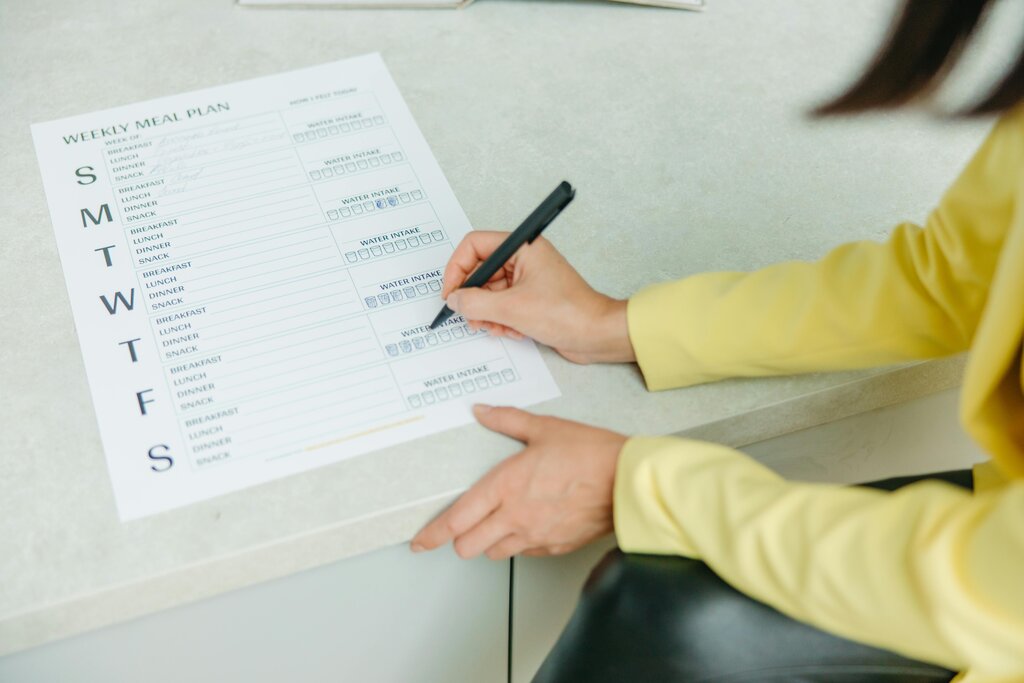
A good meal plan saves you time, money, and stress.
Start With Yourself
There's no single perfect meal plan. The best one is tailored to your life. Before you start picking recipes, take a moment to think about your own needs and preferences. What foods do you and your family genuinely enjoy eating? Are there any dietary restrictions, allergies, or health goals to consider? Make a list of your go-to meals and favorite foods. This isn't about creating an ideal, aspirational menu—it's about what you'll actually eat.
Next, look at your schedule. Be honest about how much time and energy you have on any given day. If you know that Tuesdays are always hectic with late meetings or kids' activities, that's not the day to plan an elaborate, multi-step recipe. Pencil in quick meals for busy nights and save the more involved cooking for days when you have more time, like the weekend. The goal is to create a plan that works with your schedule, not against it.
Planning and preparing meals and snacks ahead of time can save you time, reduce stress around mealtime, help improve diet quality, and help you reach and maintain a healthy body weight.
Set Realistic Goals
It’s easy to feel overwhelmed by the idea of planning every meal for an entire week. So don't. The key to building a sustainable habit is to start small and be realistic.
You don't need a perfect plan. Start by mapping out just three or four dinners for the upcoming week.
Once you're comfortable with planning a few dinners, you can gradually add more meals, like lunches or breakfasts. Remember that a meal plan is a guide, not a rigid set of rules. Life happens. If you decide to order takeout one night, it's not a failure. You can just shift that planned meal to another day. The goal is progress, not perfection.
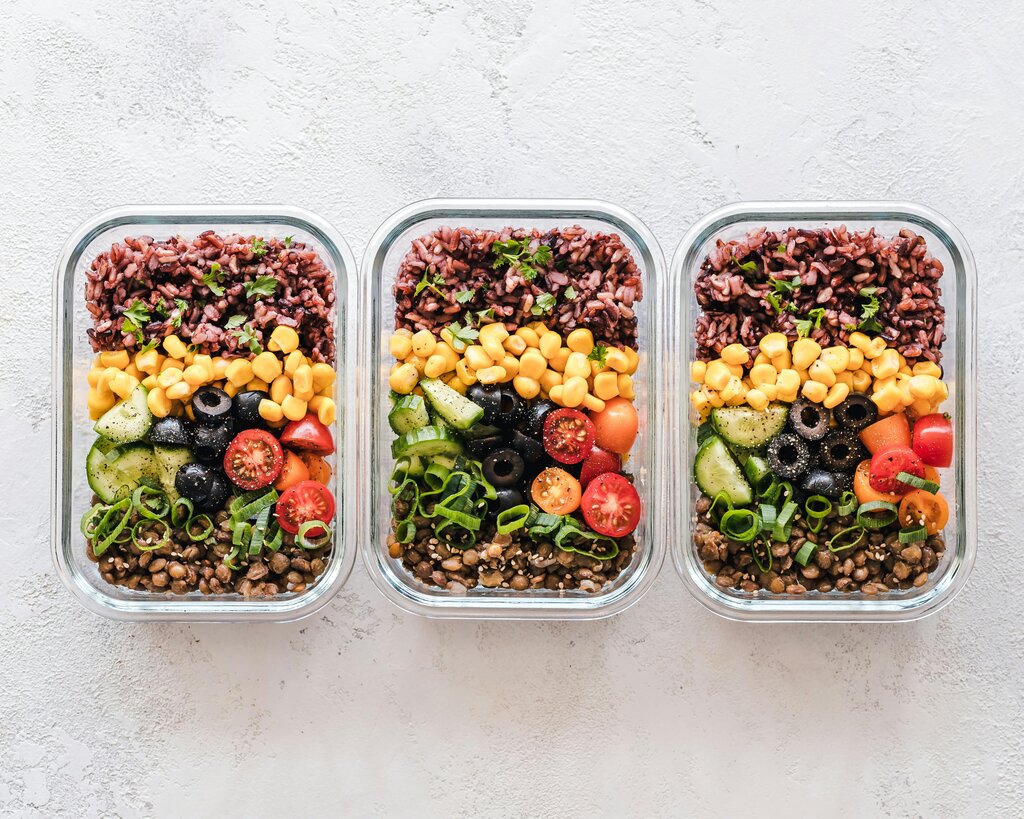
Let's check your understanding of these core concepts.
What is the primary purpose of meal planning?
According to the text, which of these is a major benefit of having a meal plan?
By starting with a clear understanding of your own needs and realistic goals, you can build a meal planning routine that truly works for you.