Mastering Weekly Meal Prep
Meal Prep Basics
The Basics of Meal Prep
Meal prep is the simple act of preparing meals or ingredients ahead of schedule. Instead of figuring out what to eat every day, you plan and cook in advance. This could mean making a week's worth of lunches on a Sunday afternoon, or just chopping up all your vegetables for the next few days.
Meal prep, short for meal preparation, is the practice of planning and preparing meals in advance to avoid last-minute grocery trips and the expense of takeout.
The goal is to make your life easier during a busy week. With ready-to-go meals in the fridge, you're less likely to grab expensive takeout or resort to less healthy options when you're tired and hungry.
Save Time and Money
The two biggest payoffs of meal prep are saving time and money. Think about the time you spend each day deciding what to cook, prepping ingredients, cooking, and cleaning up. By batching these tasks into one session, you free up hours during the week.
Meal prep also helps your wallet. When you plan meals, you create a focused grocery list. This prevents impulse buys at the store. You'll also buy ingredients in bulk, which is often cheaper. Most importantly, having a delicious, home-cooked meal ready to eat means you'll spend far less on restaurant food, delivery, and last-minute convenience items.
A little planning upfront saves a lot of stress and money later.
Getting Started
You don't need a kitchen full of fancy gadgets to start meal prepping. The essentials are quite simple:
- Good Containers: Invest in a set of quality, airtight containers. Glass or BPA-free plastic are great options. Having various sizes helps with portion control.
- A Solid Knife and Cutting Board: You'll be doing a lot of chopping, so a sharp chef's knife and a sturdy cutting board are must-haves.
- Basic Cookware: Standard pots, pans, and baking sheets are all you need to cook your proteins, grains, and vegetables.
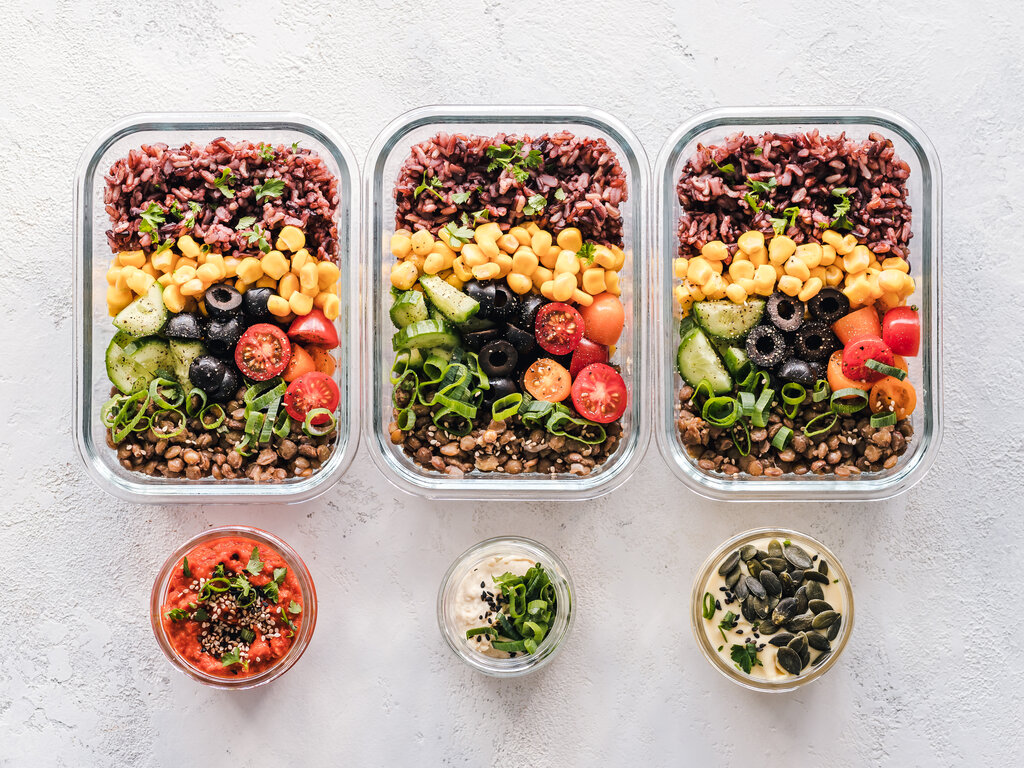
The process itself is straightforward. First, pick a day and set aside a couple of hours for shopping and cooking. Many people choose Sunday to prepare for the week ahead.
Next, decide what you want to eat. You don't have to plan every single meal. Start small by prepping just your lunches or a few dinners. Once you have your menu, make a detailed grocery list. Stick to it when you shop to avoid buying things you don't need.
Finally, it's time to cook. Focus on batch cooking components that you can mix and match. For example, you can cook a large batch of quinoa, roast a tray of vegetables, and grill some chicken. Then you can assemble them in different combinations throughout the week.
Let's review what you've learned about getting started with meal prep.
What is the primary goal of meal prepping?
True or False: The text states that you need specialized, expensive kitchen gadgets to start meal prepping.
By following these basic principles, you can build a meal prep routine that works for your schedule and helps you eat well without the daily effort.