Mastering Weekly Meal Prep
Meal Planning Basics
The What and Why of Meal Planning
Meal planning is simply the act of deciding what you’re going to eat ahead of time. Instead of figuring out dinner at 6 PM every night, you map out some or all of your meals for the week. This isn't about creating rigid, complicated menus. It’s about being intentional with your food to make your life easier.
The two biggest benefits are saving time and money. When you have a plan, you can make a single, efficient trip to the grocery store instead of several last-minute runs. You'll know exactly what to buy, which cuts down on impulse purchases and reduces food waste since you're only getting what you need.
It also frees up mental energy. The daily question of "what's for dinner?" is already answered. During a busy week, having a plan means you're less likely to opt for expensive takeout or delivery. A little bit of planning on Sunday can lead to smoother, less stressful weeknights.
A well-thought-out meal plan can help you improve the quality of your diet or reach a specific health goal while saving you time and money.
Look at Your Current Habits
Before you can build a plan, you need a clear picture of what you're already doing. This isn't about judging your choices; it's about gathering information. Take a moment to think about the last week.
What did you typically eat for breakfast, lunch, and dinner? How many times did you eat out or order in? What foods are your go-to staples? What’s already in your pantry, fridge, and freezer? Answering these questions helps you create a plan that actually fits your life.
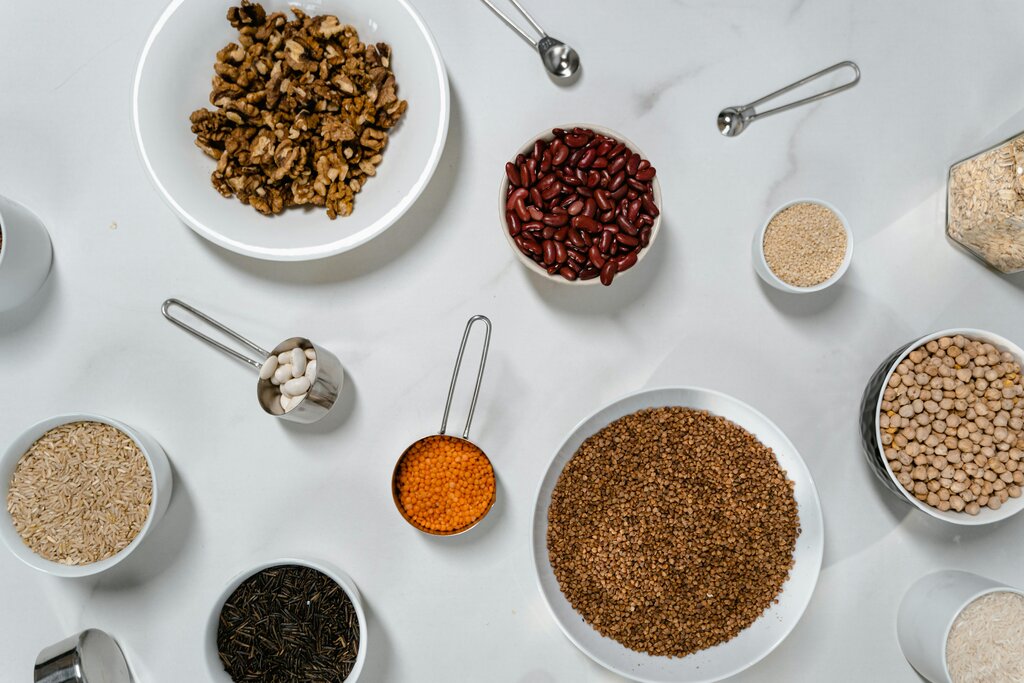
The goal is to build on your existing habits, not completely overhaul them. If you love Taco Tuesday, make it part of the plan. If you always have pasta on Thursdays, write it down. A realistic plan is one you can stick with, and that starts with what you already know and enjoy.
Set Small, Achievable Goals
You don't have to plan every single meal for the entire week from day one. That can feel overwhelming. The key to successful meal planning is to start small and build momentum. Your initial goal might be simpler than you think.
Instead of aiming for perfection, aim for progress. Start by planning just a few meals for the upcoming week.
Here are a few ideas for a first goal:
- Plan your next three dinners. Just three. Shop for them, make them, and see how it feels.
- Focus on one meal. Decide what you'll have for lunch every day this week. Maybe it's leftovers from dinner, or a big batch of soup you make on Sunday.
- Tackle your busiest day. If you know Wednesdays are always chaotic, plan just that one day's meals from breakfast to dinner.
Once you've comfortably met a small goal for a week or two, you can gradually expand. Maybe you go from planning three dinners to five, or you add breakfast planning into your routine. This step-by-step approach makes the habit sustainable.
What are the two biggest benefits of meal planning, as stated in the text?
What is the recommended first step before creating a meal plan?
By understanding your habits and setting realistic goals, you're building a foundation for a meal planning system that works for you.