Mastering Wedding Photography
Introduction to Wedding Photography
Capturing a Love Story
Wedding photography is more than just taking pictures. It’s about telling the story of a unique and deeply personal day. As a wedding photographer, you are a historian, an artist, and a storyteller all in one. Your job is to capture the emotions, the details, and the fleeting moments that the couple will cherish for a lifetime.
This craft blends several types of photography. You'll need the skills of a portrait photographer for formal shots, a photojournalist's eye for candid moments, and a product photographer's attention to detail for rings and decorations. The real magic happens when you combine these skills to create a cohesive narrative of the day.
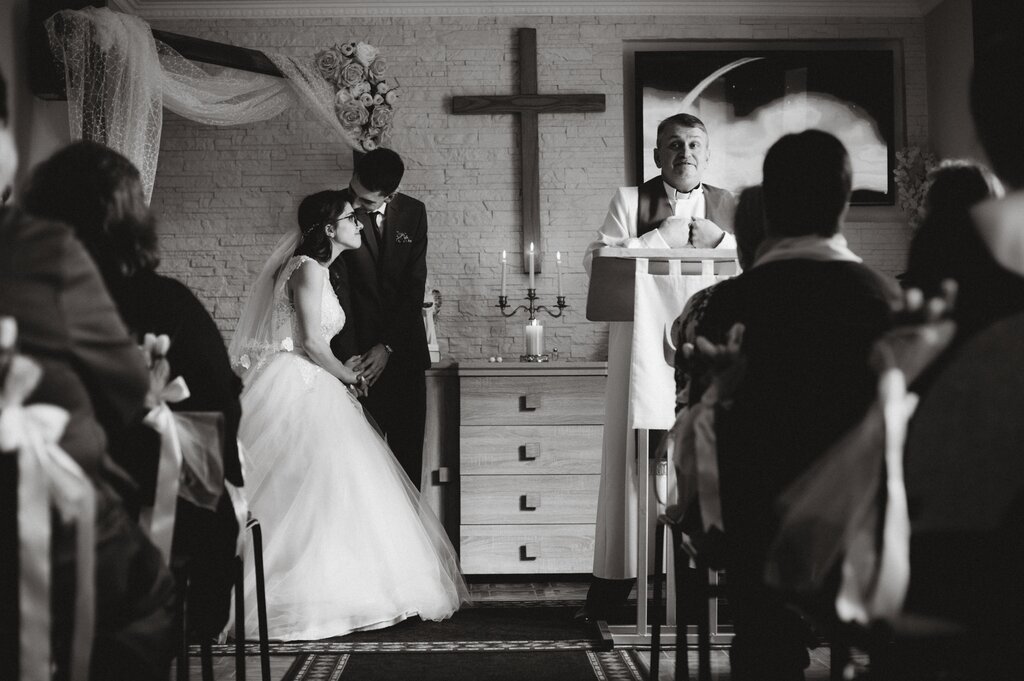
The Wedding Day Timeline
Every wedding has a rhythm and a schedule. Understanding this timeline is crucial. It allows you to anticipate where you need to be and when, ensuring you don't miss any important events. A wedding day isn't a single event; it's a series of smaller, significant moments strung together.
Typically, you'll work with the couple or their wedding planner to get a copy of the day's schedule. This timeline is your roadmap. It tells you when hair and makeup starts, when the ceremony begins, when the speeches are, and when the cake will be cut. Knowing this flow helps you manage your time, prepare your equipment, and be in the right place at the right time.
| Part of the Day | Key Photo Opportunities |
|---|---|
| Getting Ready | Details (dress, rings), candid moments with family and friends. |
| First Look | The couple seeing each other for the first time. |
| Ceremony | Walking down the aisle, vows, ring exchange, the first kiss. |
| Portraits | Formal photos with family, the wedding party, and the couple. |
| Reception | Entrances, speeches, first dance, cake cutting, guest interactions. |
Key Moments to Capture
While the entire day is special, some moments are absolutely essential. These are the emotional peaks of the story you're telling. Missing one of these can be a major disappointment for the couple.
Focus on capturing the exchange of vows and rings, the first kiss as a married couple, and the joy on their faces as they walk back down the aisle. At the reception, the first dance, heartfelt speeches, and the cake cutting are marquee events. But don't forget the small, quiet moments in between—a shared glance, a laugh with a friend, or a hug with a parent. These often become the most treasured images.
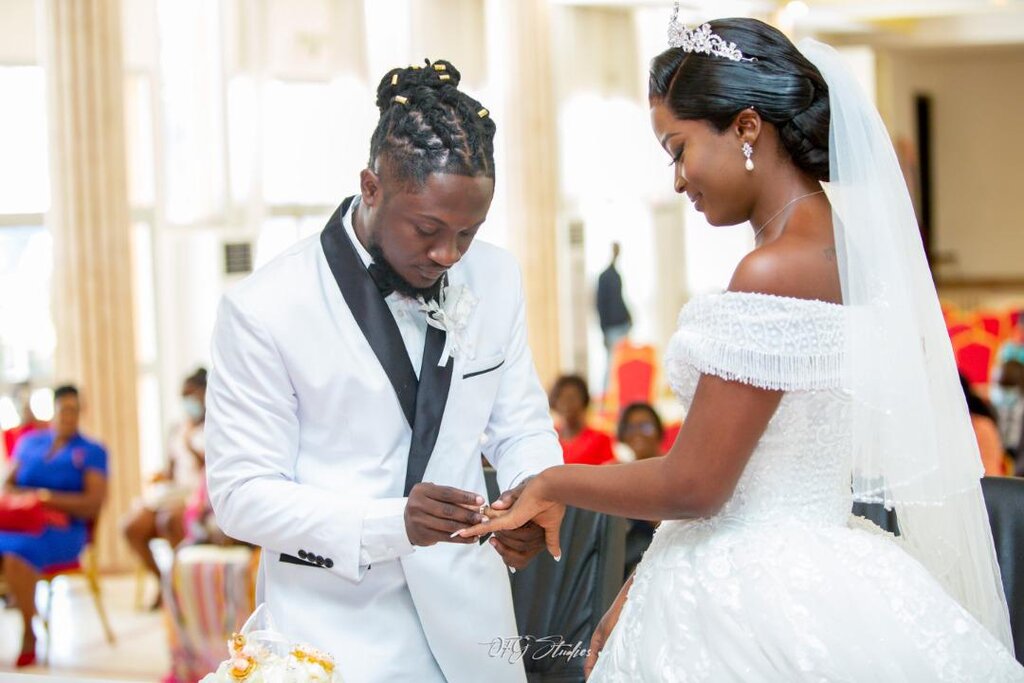
These are the moments that become cherished memories. Your job is to make them last forever.
Building a Connection
Your most important tool isn't your camera; it's your ability to connect with the couple. When clients trust you and feel comfortable around you, they'll relax. This leads to more natural, authentic, and emotional photographs. A nervous or stiff couple is hard to photograph well.
Start building this rapport from the first meeting. Ask about their story, what's important to them, and what vision they have for their wedding photos. An engagement shoot is a fantastic way to practice working together before the big day. It helps them get used to being in front of your lens and allows you to learn their best angles and how they interact as a couple. On the wedding day, your friendly, calm presence will help put everyone at ease.
For them, a wedding isn’t just a ceremony; it’s a personalized story told through design, fashion, decor, music, and content creation.
Now, let's test your understanding of these foundational concepts.
What is the primary role of a wedding photographer, as described in the context of modern wedding photography?
Wedding photography requires a blend of skills from several different photographic disciplines. Which trio of disciplines is most essential?
Mastering these basics sets the stage for everything else in wedding photography. It's a demanding but incredibly rewarding field where you get to create timeless art for people on one of the happiest days of their lives.