Mastering Watercolor Depth and Texture
Pigment Chemistry and Granulation
Beyond Color
You already know how to mix a green or an orange. The next step in watercolor is understanding that paint isn't just color—it's a physical substance. Every tube of paint contains pigment particles suspended in a binder, usually gum arabic. The size, weight, and shape of these particles dramatically change how the paint behaves on paper.
Think of it this way: some pigments are like fine, dissolvable dyes, while others are like tiny, heavy grains of sand. The 'dyes' soak into the paper fibers, creating smooth, permanent stains. The 'sand' settles into the textured valleys of the paper, creating a mottled, grainy effect. This is the core difference between staining and sedimentary pigments.
Staining pigments dye the paper. Sedimentary pigments sit on top of it.
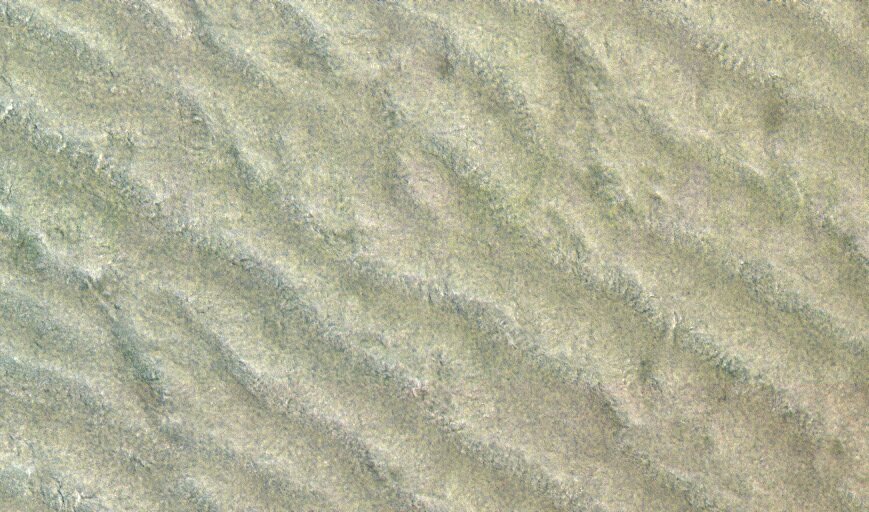
Staining colors, like Phthalo Blue or Quinacridone Rose, are perfect for initial layers because they won't lift or muddy when you paint over them. They create vibrant, transparent glazes. Sedimentary colors, like French Ultramarine or Burnt Sienna, are famous for their granulation. When you lay down a wash, their heavier particles sink into the paper's texture, creating beautiful, subtle variations in color and tone. This effect is fantastic for painting natural textures like stone, tree bark, or stormy skies.
Decoding the Tube
So how can you tell what a paint will do without testing every color? Look for the pigment code on the tube or wrapper. This isn't just a random string of letters and numbers; it's a universal identifier that tells you exactly what pigment is inside. For example, 'PB29' is the code for synthetic ultramarine, a classic granulating blue. 'P' stands for Pigment, 'B' for Blue, and '29' is its unique number in the Color Index Name system.
Knowing these codes helps you predict behavior. PB29 will always be a granulating blue, regardless of whether the manufacturer calls it "French Ultramarine" or "Sky Blue." Some paints are made from a single pigment, while others are mixtures, called hues. A "Cadmium Red Hue" might not contain any actual cadmium (PR108) but instead be a mix of other pigments, like PR254 and PY74, to approximate the color. These mixtures can sometimes produce muddy results, so single-pigment paints often give cleaner, more predictable mixes.
Controlling Texture and Transparency
Mastering granulation and layering comes down to managing the water-to-pigment ratio. To encourage granulation, you need enough water to let the pigment particles flow and settle freely. A thirsty, wet wash on textured cold-press paper is ideal. Too little water, and the pigments get locked in place, resulting in a flat wash. Too much water, and you might create unwanted blooms or backruns as the water pools and dries unevenly.
The same principle applies to glazing, which is the technique of applying thin, transparent layers of paint. For a successful glaze, two things are critical. First, the underlying layer must be completely dry. Second, the glaze itself should be transparent. Opaque pigments, like (PY35) or Cerulean Blue (PB35), will obscure the layers beneath them, making the painting look chalky and flat. Transparent pigments, such as the quinacridones or phthalos, allow light to pass through them, hit the white paper, and reflect back. This creates a luminous, glowing effect that gives watercolor its unique character.
The layering technique, also known as glazing, is one of the most important techniques in watercolor painting.
By paying attention to the physical properties of your pigments, you move from simply mixing colors to truly sculpting with them. Understanding whether a pigment stains or settles, and whether it's transparent or opaque, gives you the control needed to build paintings with convincing depth and texture.
Time to check your understanding of pigment properties.
What is the primary difference between a staining watercolor pigment and a sedimentary (or granulating) one?
You want to create a vibrant, smooth underpainting that will not lift or mix with subsequent layers. Which of the following pigments would be the best choice?
By understanding these properties, you're not just a painter—you're becoming a technician, able to predict and control your medium with precision.