Mastering Waste Segregation and Sustainable Cleanliness
Complex Material Chemistry
Beyond the Bin
Sorting recyclables often feels straightforward: paper here, plastic there. But to truly maximize what we can recover, we need to think less like a sorter and more like a chemist. The small number inside the chasing arrows symbol on a plastic container isn't just a suggestion; it's a window into the material's molecular identity. This number is its Resin Identification Code (RIC), and understanding it is the key to effective recycling.
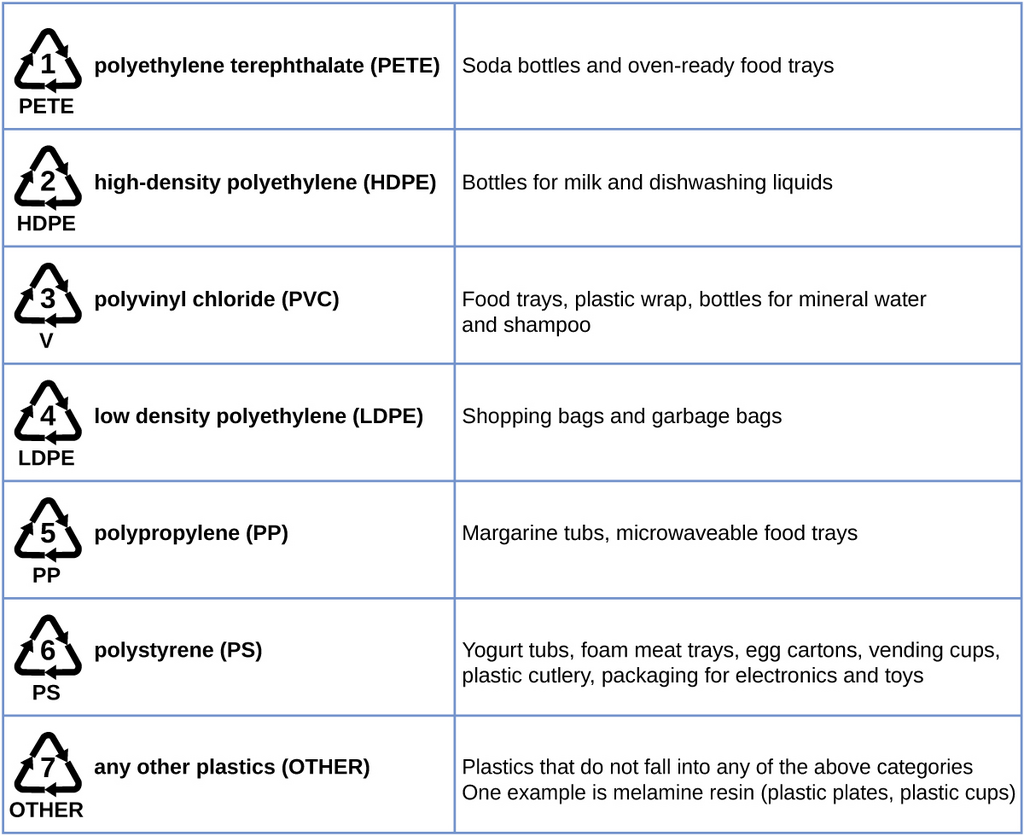
These codes, from 1 to 7, classify plastics based on their polymer type. Simply lumping all plastics together is like trying to build a new car out of a random mix of steel, rubber, and glass. The materials are fundamentally incompatible. When plastics with different chemical structures are melted together, they don't blend smoothly. Instead, they separate like oil and water, resulting in a weak, brittle material with no commercial value. Effective recycling depends on isolating these polymer streams.
The Common Plastics
Let's look at the most common players. Code 1 is Polyethylene Terephthalate (PET), the clear, strong plastic used for water bottles and soda containers. Code 2 is High-Density Polyethylene (HDPE), a sturdier, opaque plastic found in milk jugs and detergent bottles. Though both are types of polyethylene, their molecular structures are quite different. HDPE consists of long, unbranched polymer chains that pack together tightly, giving it high density and strength. PET, on the other hand, has a more complex structure involving aromatic rings, which makes it tough and shatter-resistant.
When you try to melt PET and HDPE together, their different molecular arrangements and melting points prevent them from mixing. The PET stays dense and sinks, while the HDPE floats. This incompatibility is why precise sorting is non-negotiable for high-quality recycled material.
Problem Plastics
Some plastics pose bigger challenges. Code 3 is (PVC), used for pipes, siding, and some packaging films. The 'C' in PVC stands for chloride, which means its polymer chain contains chlorine atoms. When PVC is burned, as can happen in improper waste disposal or recycling processes, the chlorine can be released to form highly toxic dioxins. This chemical baggage makes PVC a nightmare for most recycling facilities, and it's often sorted out and sent to a landfill.
Code 6, Polystyrene (PS), is another difficult one. You know it as styrofoam cups, takeout containers, and packing peanuts. PS is mostly air, which makes it lightweight and a great insulator. But this low density also makes it economically unviable to collect and transport for recycling; you need a huge volume to get a meaningful amount of material. Furthermore, it easily breaks into small particles that contaminate other recycling streams and pollute ecosystems.
The chemical structure of a plastic dictates not only its properties but also its end-of-life options. A single chlorine atom in a polymer chain can be the difference between a recyclable resource and a hazardous waste.
The Leaching Risk
Chemical composition also matters when reusing plastics. Many plastics aren't perfectly stable. Over time, and especially with exposure to heat or UV light, chemical additives or unreacted monomers can leach out of the container and into whatever it's holding. A key concern here involves plastics like Code 7 (Other), which is a catch-all category that can include polycarbonates. These materials were historically made using Bisphenol A (BPA), a compound that has been linked to health issues. While many manufacturers have moved to BPA-free formulations, the risk of leaching is a powerful reminder that not all plastics are created equal, particularly for food and drink storage.
Finally, we have Code 4, Low-Density Polyethylene (LDPE), and Code 5, Polypropylene (PP). LDPE is the flexible plastic used for grocery bags and plastic films. Its polymer chains are branched, preventing them from packing tightly and resulting in lower density and greater flexibility. PP is a versatile, heat-resistant plastic used in everything from yogurt containers to car parts. Both are technically recyclable, but the film-like nature of LDPE often causes it to jam sorting machinery, while the wide variety of additives and colors used in PP products can complicate the recycling process.
| RIC | Name | Common Uses | Recycling Notes |
|---|---|---|---|
| 1 | PET | Soda/water bottles, food jars | Widely recycled. Lightweight, strong. |
| 2 | HDPE | Milk jugs, shampoo bottles, pipes | Widely recycled. Stiff, chemical-resistant. |
| 3 | PVC | Pipes, siding, some packaging | Rarely recycled. Releases toxins when burned. |
| 4 | LDPE | Plastic bags, films, squeeze bottles | Sometimes recycled; often contaminates other streams. |
| 5 | PP | Yogurt cups, car parts, carpets | Increasingly recyclable. High melting point. |
| 6 | PS | Styrofoam, disposable cutlery | Rarely recycled. Low density, brittle. |
| 7 | Other | Polycarbonate, bioplastics, etc. | Varies greatly; rarely recycled. Check local rules. |
Let's test your knowledge of these material differences.
What is the primary chemical reason that different types of plastics, such as PET (Code 1) and HDPE (Code 2), cannot be recycled together?
A recycling facility notices that when a certain type of plastic is improperly incinerated, it can release highly toxic dioxins. Which plastic, identified by its Resin Identification Code, is the most likely culprit?
Understanding the chemistry of these materials is the first step. By recognizing why they can't be mixed and which ones pose risks, you can make smarter decisions about purchasing, reuse, and disposal, moving beyond wishful recycling to effective materials management.