Mastering Wallpaper Installation
Introduction to Wallpapering
Why Choose Wallpaper?
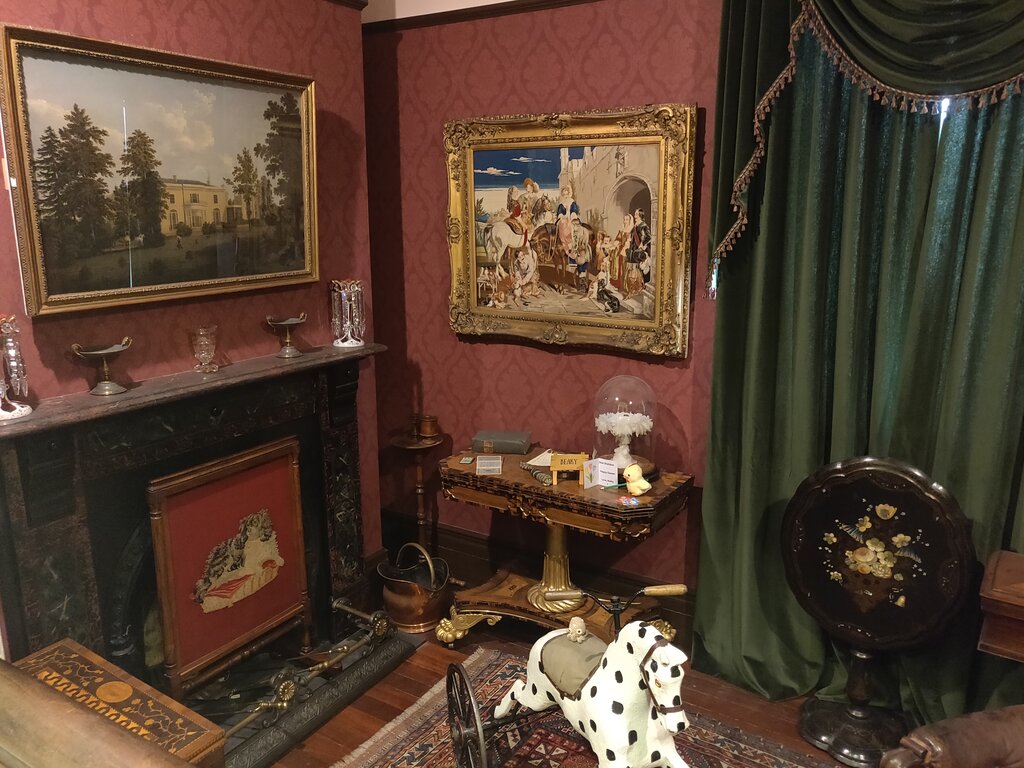
Paint is practical, but wallpaper adds a layer of personality that paint can't match. It can transform a room with color, pattern, and texture, turning a plain wall into a feature. Whether you're aiming for a subtle backdrop or a bold statement, there's a wallpaper to fit your vision.
Beyond aesthetics, wallpaper offers practical benefits. It's durable, often lasting longer than paint without needing touch-ups. Certain types are scrubbable, making them ideal for high-traffic areas like hallways or kitchens. Wallpaper can also hide minor imperfections in a wall's surface, such as small cracks or bumps, creating a smoother, more polished finish.
Know Your Types
The world of wallpaper is vast, but most options fall into a few key categories. Understanding the differences will help you choose the right material for your space and skill level.
Vinyl wallpaper is the most common type. It consists of a paper backing with a printed vinyl layer on top. This makes it durable, easy to clean, and resistant to moisture, which is great for bathrooms and kitchens. It's a solid choice for beginners.
Non-woven wallpaper is made from a blend of synthetic and natural fibers. This material is breathable, which helps prevent mold and mildew from growing underneath. A major advantage of non-woven paper is that it's easy to install and even easier to remove. It typically comes off in full sheets without damaging the wall.
Fabric-backed vinyl is a heavy-duty option. As the name suggests, it has a woven fabric backing, making it incredibly tough and resistant to tearing. It's often used in commercial settings like hotels and offices but can bring a luxurious, textured feel to a home.
| Wallpaper Type | Best For | Key Feature |
|---|---|---|
| Vinyl | Kitchens, bathrooms, hallways | Durable & washable |
| Non-Woven | Bedrooms, living rooms | Breathable & easy to remove |
| Fabric-Backed Vinyl | High-traffic, commercial spaces | Extremely durable & tear-resistant |
Gearing Up for the Job
Having the right tools makes any job easier, and wallpapering is no exception. You don't need a professional workshop, but a few essential items will ensure a smooth process and a clean result. Before you begin, gather your toolkit:
- Measuring Tape & Level: For accurate measurements and perfectly straight lines.
- Utility Knife: For clean, precise cuts. Make sure you have plenty of sharp blades.
- Smoothing Tool: A plastic smoother helps press the paper to the wall and work out air bubbles.
- Seam Roller: This small roller ensures the seams between wallpaper strips are flat and secure.
- Wallpaper Paste: Check if your wallpaper is pre-pasted or requires adhesive. If it needs paste, you'll also need a bucket for mixing, a roller or brush to apply it, and a tray.
You’ll also want a large, flat work surface for measuring and cutting, a bucket of clean water, and a sponge for wiping away excess paste. With your wallpaper selected and your tools ready, you have the foundation for a successful project.
Besides adding personality with patterns and textures, what is a key practical benefit of using wallpaper?
Which type of wallpaper is considered the most common and is a great choice for high-traffic or moist areas like kitchens and bathrooms due to its durability and washability?