Mastering Wakefulness
Introduction to Sleep Hygiene
What is Sleep Hygiene?
The term “hygiene” might make you think of washing your hands or brushing your teeth. But when it comes to sleep, it means something a little different. Sleep hygiene refers to the collection of habits and practices that are crucial for getting good quality sleep on a regular basis.
Strong sleep hygiene means having both a bedroom environment and daily routines that promote consistent, uninterrupted sleep.
Think of it as setting the stage for sleep. It’s not about a single magic trick to fall asleep faster, but about building a consistent pattern of behaviors that tells your body and mind that it's time to wind down and rest. This involves both your daily routines and the physical space where you sleep.
More Than Just Feeling Rested
Getting a good night's sleep is one of the pillars of a healthy lifestyle, just as important as a balanced diet and regular exercise. When you sleep, your body is hard at work. It's a critical time for your brain to consolidate memories, process information, and clear out metabolic waste. Your body also uses this time to repair cells, regulate hormones, and support your immune system.
Ignoring your sleep habits can have a ripple effect across your entire life. Poor sleep hygiene doesn't just leave you feeling groggy; it can impact your mood, your ability to concentrate, and your overall physical health.
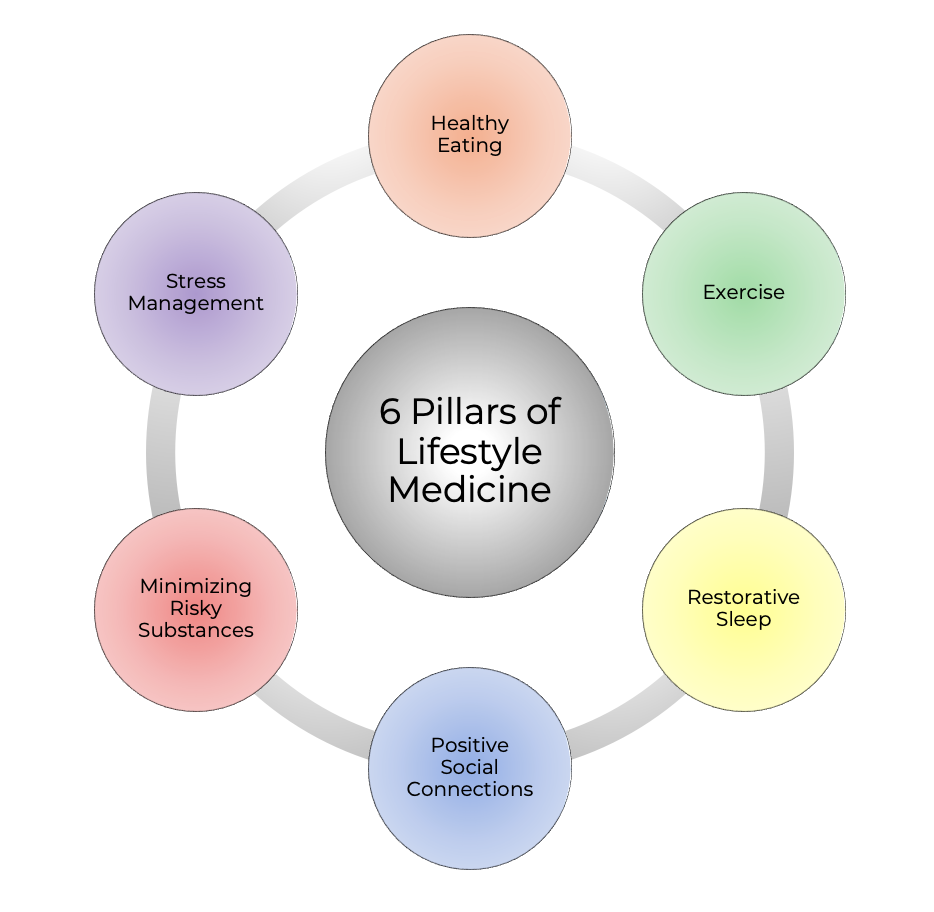
Consistently poor sleep can make you more irritable, less patient, and can hinder your problem-solving skills. Over the long term, it's linked to a higher risk of serious health issues, including heart disease and diabetes. In short, prioritizing sleep is an investment in your well-being.
Building Your Sleep Foundation
Improving your sleep hygiene starts with two key areas: establishing a consistent routine and creating an optimal sleep environment.
Consistency is the cornerstone of good sleep.
Try to go to bed and wake up around the same time every day, even on weekends. This helps regulate your body's internal clock, also known as your circadian rhythm. When your body knows what to expect, it can prepare for sleep and wakefulness more effectively, making it easier to fall asleep at night and wake up feeling refreshed.
Your environment also sends powerful signals to your brain. Your bedroom should be a sanctuary for sleep. This means making it dark, quiet, and cool. Blackout curtains can block out disruptive light, earplugs or a white noise machine can mask noise, and a cooler room temperature is generally more conducive to sleep.
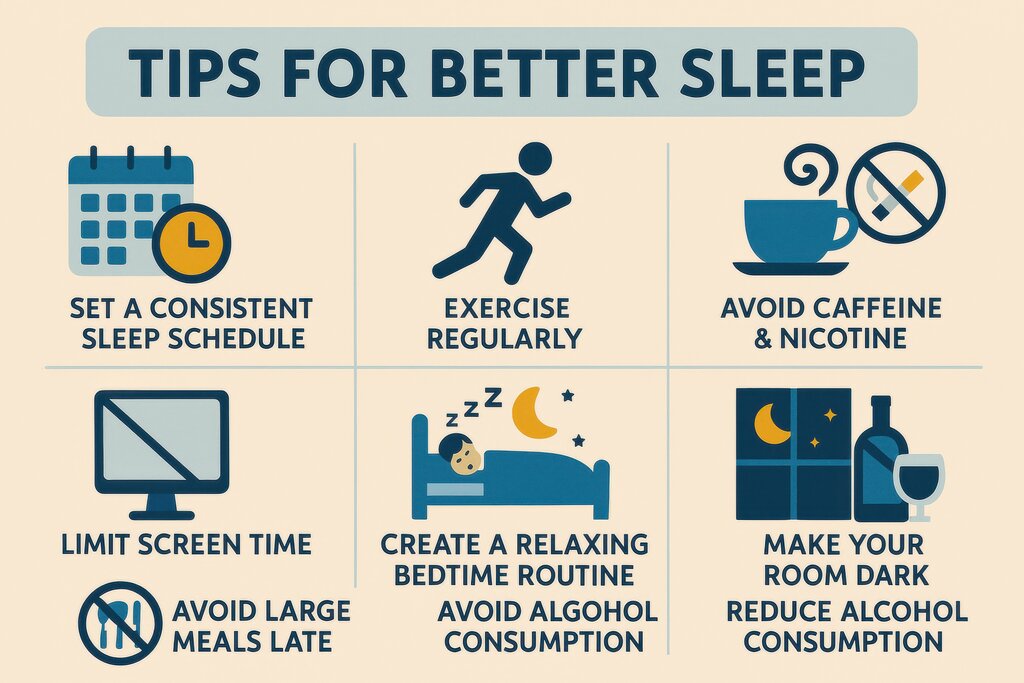
It’s also important to create a relaxing pre-sleep routine. This could involve reading a book, taking a warm bath, or listening to calming music. Crucially, try to avoid screens from phones, tablets, or TVs for at least an hour before bed. The blue light they emit can interfere with your body's production of melatonin, the hormone that signals it's time to sleep.
Ready to check your understanding of sleep hygiene?
What is the primary goal of practicing good sleep hygiene?
According to sleep science, why is it recommended to avoid screens like phones and TVs right before bed?
By focusing on these foundational habits, you can build a strong routine that supports restorative, high-quality sleep night after night.