Mastering VPNs for Private Browsing
Introduction to VPNs
What Is a VPN?
A Virtual Private Network, or VPN, is a service that keeps your internet connection secure and private. Think of it as a secret tunnel for your online activity. Normally, when you visit a website, your device sends data over the open internet. Your Internet Service Provider (ISP) can see where you're going, and websites can see where you're coming from.
A Virtual Private Network (VPN) is a technology that creates a secure and encrypted connection over the Internet.
A VPN changes that. It routes your connection through a private server run by the VPN company. This process does two key things: it masks your device's true location (its IP address) and it encrypts all the data you send and receive. This means your online actions are shielded from prying eyes.
Why Use One?
The main benefits of a VPN are privacy and security. Without one, your ISP knows every site you visit. Advertisers can track your movements across the web to build a profile on you. On a shared or public network, others could potentially intercept your traffic.
A VPN makes your activity unreadable to your ISP and hides your browsing habits from trackers. It's especially useful on public Wi-Fi networks, like those at coffee shops, airports, or hotels. These networks are often unsecured, making it easier for bad actors to snoop on your connection and steal sensitive information like passwords or credit card details.
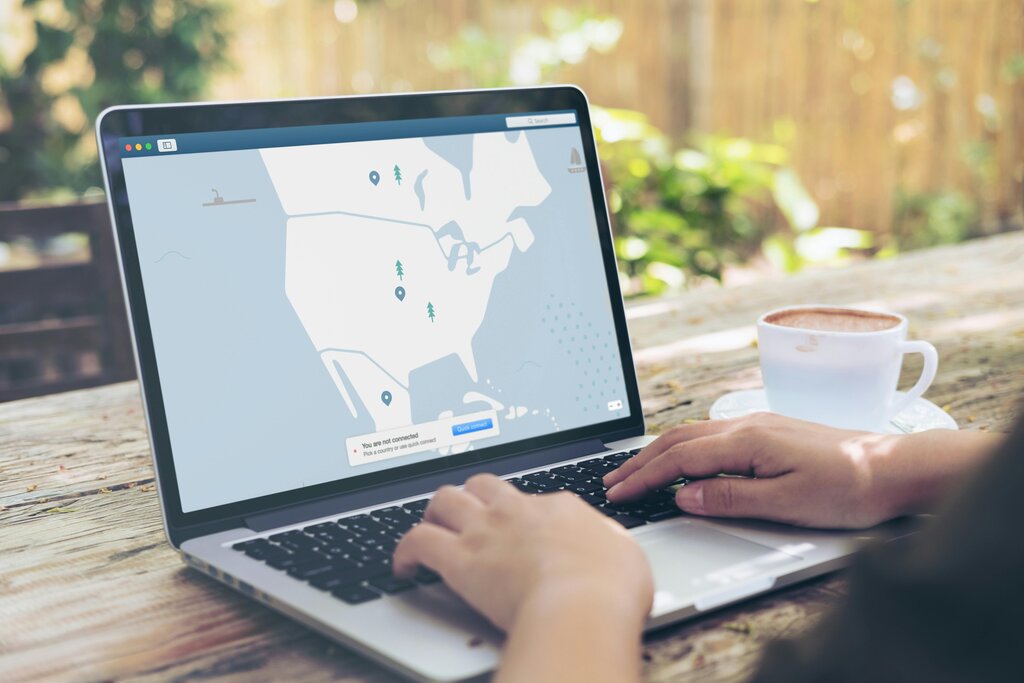
Another common use is to access content that might be unavailable in your geographic region. By connecting to a server in another country, you can make it appear as if you're browsing from that location. This can be handy for using streaming services while traveling abroad.
On public Wi-Fi, a VPN acts like a personal bodyguard for your data, ensuring no one can eavesdrop on your activity.
How It All Works
The magic behind a VPN is a process called tunneling. Your device creates an encrypted, point-to-point connection—a tunnel—to a VPN server. All of your internet traffic is sent through this secure tunnel. Anyone trying to look at your connection from the outside can't see what's inside.
Once your data reaches the VPN server, it exits the tunnel and continues to its final destination on the internet. Because the traffic now appears to be coming from the VPN server, not your device, your real IP address is hidden. Websites and online services see the server's IP address instead.
This combination of an encrypted tunnel and a masked IP address is what gives you a private, more secure way to use the internet.