Mastering Vital Signs
Introduction to Vital Signs
What Are Vital Signs?
Vital signs are the essential measurements that show how your body is functioning. Think of them as your body's personal dashboard. They provide a quick, objective snapshot of your health and are often the first thing a healthcare professional checks during a visit.
These measurements are “vital” because they track the performance of your body's life-sustaining functions. Monitoring them helps detect medical problems, track progress, and assess overall well-being. A change in your vital signs can be the first clue that something is wrong.
The Four Main Vital Signs
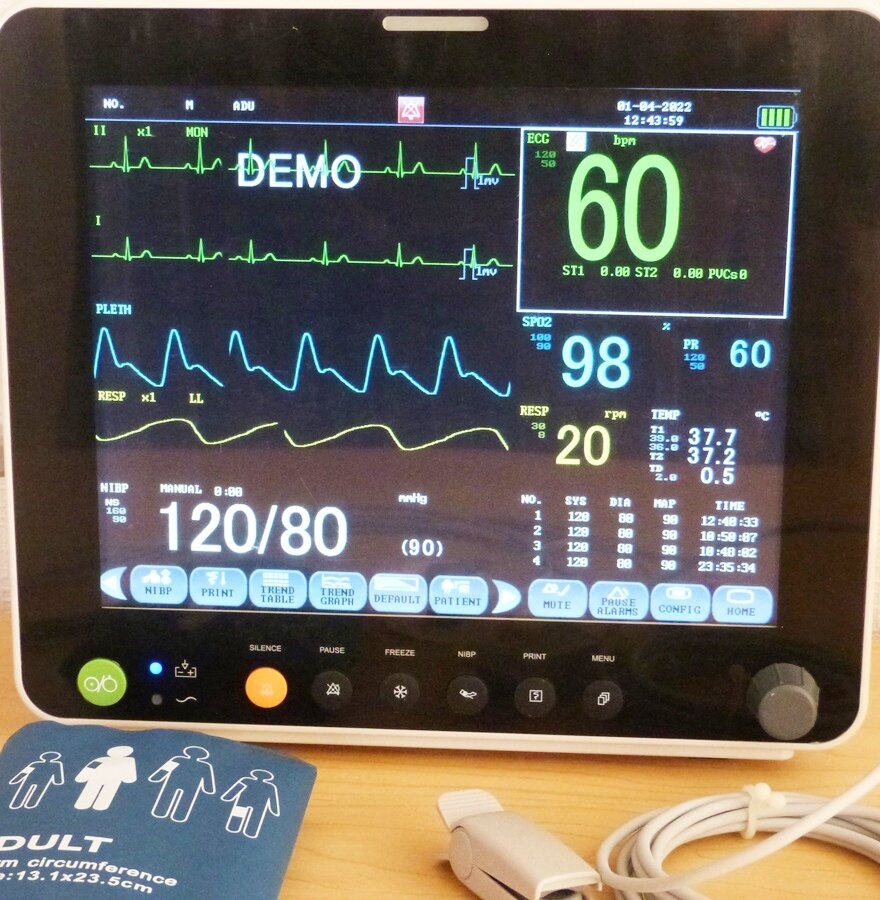
There are four main vital signs that are almost always checked. Together, they paint a picture of your physiological state.
- Body Temperature Your body temperature measures how well your body can generate and get rid of heat. A stable temperature is a sign that your body is balancing heat production from metabolism with heat loss to the environment. An unusually high or low temperature can signal illness or exposure to extreme conditions.
- Pulse Rate Your pulse is the rhythmic expansion of arteries as blood is pumped through them by the heart. The pulse rate is simply the number of times your heart beats per minute.
pulse
noun
The regular throbbing of the arteries caused by the successive contractions of the heart.
It's a direct measure of how fast your heart is working. When you exercise, for example, your heart beats faster to pump more oxygen-rich blood to your muscles, and your pulse rate increases.
- Respiration Rate Also known as your breathing rate, this is the number of breaths you take per minute. One breath includes both an inhale and an exhale. This measurement is a key indicator of how well your lungs are working to supply your body with oxygen and remove carbon dioxide.
- Blood Pressure This is the force of blood pushing against the walls of your arteries as your heart pumps. It's recorded as two numbers. The first, higher number is the systolic pressure, which measures the pressure when your heart beats. The second, lower number is the diastolic pressure, which is the pressure when your heart rests between beats.
Measuring Vitals
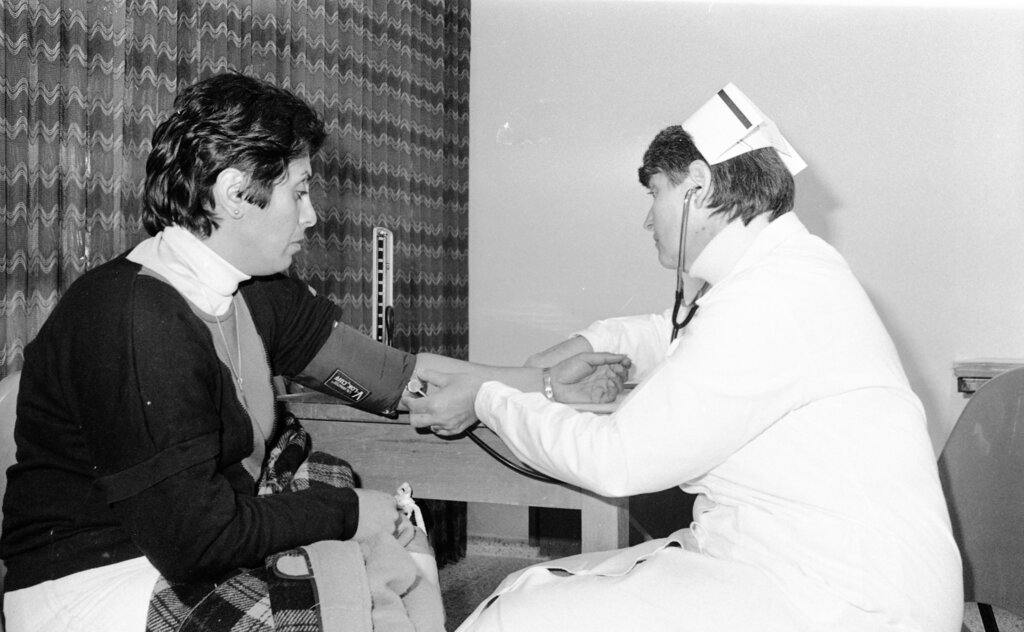
When measuring vital signs, the goal is consistency and accuracy. A person should ideally be at rest and calm, as activity, stress, and even strong emotions can cause temporary changes. For example, your blood pressure will be higher right after you've run up a flight of stairs than if you've been sitting quietly for a few minutes.
Many factors can influence vital signs, including:
- Age: Normal ranges for pulse and respiration are higher in infants and children.
- Time of day: Body temperature is typically lowest in the early morning and highest in the late afternoon.
- Physical activity: Exercise raises pulse, respiration, and blood pressure.
- Medications: Some drugs can raise or lower vital signs.
- Illness: Infections often cause a fever, raising body temperature and pulse rate.
By understanding these basic indicators, you get a clearer picture of what's happening inside the body. They are the first chapter in the story of a person's health.