Mastering Virtual Assistants
Introduction to Virtual Assistants
What Are Virtual Assistants?
Think of a virtual assistant as a digital helper. Its main job is to understand what you say or type and then perform tasks or find information for you. Instead of hiring a person to manage your schedule or look up facts, you can just ask the assistant on your phone or smart speaker.
At their core, these assistants are software programs designed to simulate a conversation and carry out simple commands. They connect to the internet to fetch answers, control other apps, or manage your smart home devices. Their goal is to make technology more accessible and hands-free.
The purpose of a virtual assistant is to simplify your life by handling digital tasks through natural conversation.
A Quick Trip Through Time
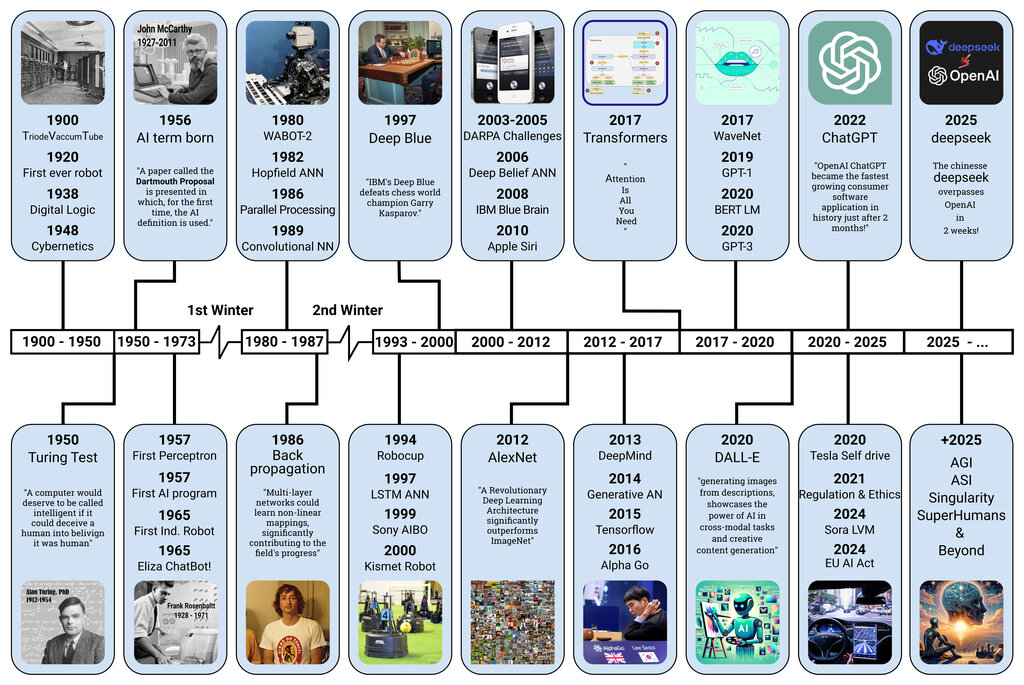
Virtual assistants didn't just appear overnight. Their journey began decades ago with early computer programs that could recognize simple text commands. The first chatbot, ELIZA, was created in the 1960s and could mimic a psychotherapist, but it didn't truly understand conversation.
Fast forward to the 2010s, and things got much more interesting. The launch of Siri on the iPhone in 2011 was a major turning point. For the first time, a helpful, voice-activated assistant was available to millions. Soon after, other major players joined in. Amazon released Alexa with its Echo speaker in 2014, and Google launched the Google Assistant in 2016.
These modern assistants evolved from just following commands to understanding context, learning your preferences, and having more natural, back-and-forth conversations.
Types of Assistants
While they all serve a similar purpose, virtual assistants come in a few different forms, mainly distinguished by how you interact with them.
Chatbot
noun
A computer program designed to simulate conversation with human users, especially over the Internet.
The two most common types are voice-activated and text-based.
Voice-Activated Assistants: These are the assistants you talk to. Think Siri, Alexa, and Google Assistant. They are great for hands-free situations, like when you're driving or cooking. They live in smartphones, smart speakers, and even cars.
Text-Based Assistants: Often called chatbots, these assistants communicate through typed text. You'll find them on websites offering customer support, in messaging apps like Facebook Messenger, or helping you order a pizza through a company's app. They are perfect for situations where speaking aloud isn't practical.
Common Applications
Virtual assistants have become woven into the fabric of daily life, both personally and professionally. At home, you might ask one to play a specific song, set a timer for dinner, or tell you the weather forecast. They can control smart home devices, letting you turn off lights or adjust the thermostat with a simple voice command.
In the business world, chatbots handle customer service inquiries 24/7, freeing up human agents for more complex issues. They can book appointments, track packages, and answer frequently asked questions. This automation helps companies operate more efficiently and provide faster service to their customers.
| Use Case | Voice Assistant Example | Text-Based Assistant Example |
|---|---|---|
| Information | "What's the capital of Nepal?" | Looking up product info on a retail site. |
| Productivity | "Set a reminder for my meeting at 2 PM." | Scheduling a demo via a website chatbot. |
| Entertainment | "Play my workout playlist." | Getting movie recommendations in a chat app. |
| Control | "Dim the living room lights." | Ordering a pizza through a messaging bot. |
Now, let's test what you've learned about virtual assistants.
What is the primary function of a virtual assistant?
Which virtual assistant's launch in 2011 is described as a major turning point that made the technology widely available on smartphones?
Virtual assistants have evolved from simple command-line tools into sophisticated helpers that can understand and respond to natural language, making technology more intuitive and useful for everyone.