Mastering Viola Performance
Viola Basics
Meet the Viola
The viola is the alto voice of the string family, nestled between the violin and the cello in pitch. Its rich, mellow tone gives it a unique character. Before you can make a sound, it helps to know your way around the instrument.
The scroll is the carved, ornamental end of the viola, while the tuning pegs adjust the string tension. The neck houses the fingerboard, where you'll press down on the strings to change notes. The main body of the viola amplifies the sound, which escapes through the f-holes. The strings vibrate against the bridge, transferring that energy into the body. Finally, the tailpiece anchors the strings, and the chinrest helps you hold the instrument comfortably.
Posture and Hold
Before you play a note, getting your posture right is essential. A comfortable, stable hold allows you to play without strain and is the key to producing a good sound.
If you are just beginning to play the viola, it is important to spend as much time as you can getting your posture right first time around - bad habits can be hard to break, and require lots of un-learning!
Start by sitting or standing up straight, with relaxed shoulders. Place the viola on your left collarbone, with the back of the instrument resting against you. Turn your head slightly to the left and lower your jaw onto the chinrest. Your chin and collarbone should support the viola's weight, leaving your left hand free.
The instrument should be roughly parallel to the floor, angled slightly to your left. Your left arm should form a gentle curve, with your hand supporting the neck of the viola. Keep your wrist straight and your thumb relaxed on the back of the neck, opposite your index finger.
Tuning Up
An instrument that's out of tune will never sound right, no matter how well you play it. The viola has four strings, which are tuned in fifths. From thickest to thinnest (lowest pitch to highest), the strings are C, G, D, and A.
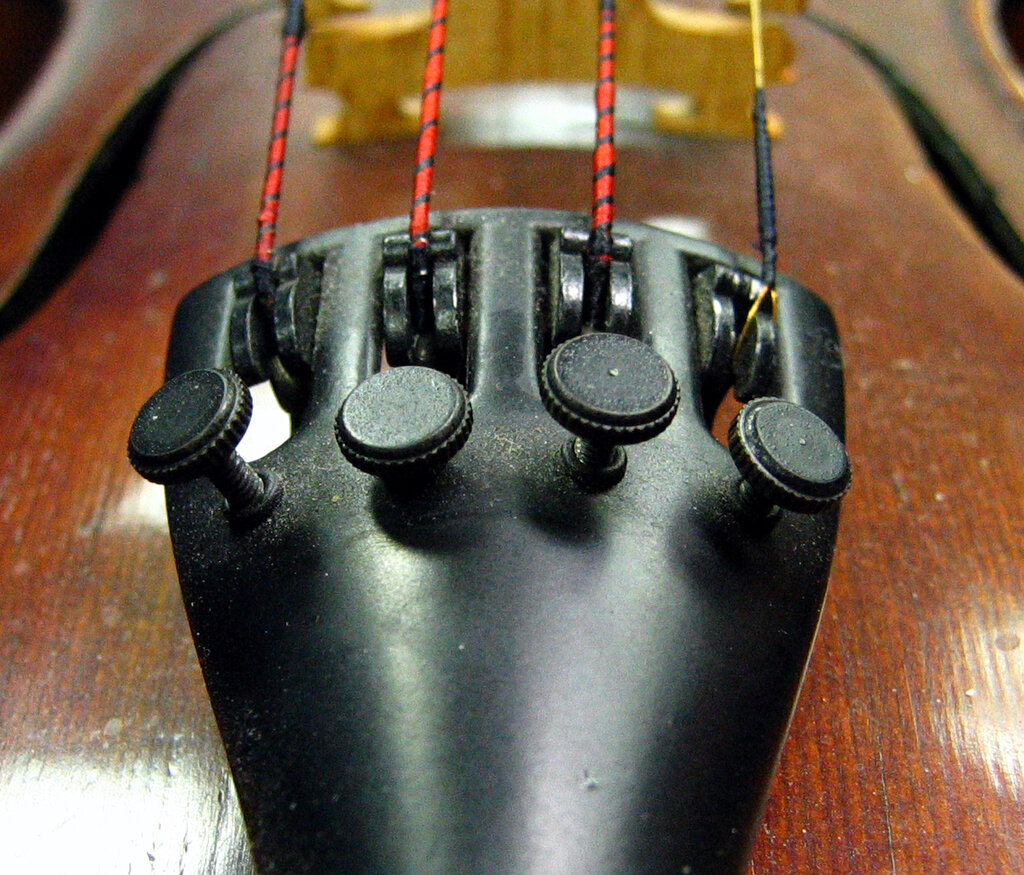
You can tune your viola using the large tuning pegs at the scroll for big adjustments, or the small knobs on the tailpiece, called fine tuners, for smaller tweaks. Using an electronic tuner or a tuning app is the easiest way to get your strings to the right pitch.
Making a Sound
There are two primary ways to produce sound on the viola: with the bow (arco) and by plucking the strings (pizzicato).
Bowing (Arco) This is the most common way to play. The bow is drawn across the strings, causing them to vibrate. To start, hold the bow in your right hand with a relaxed, curved grip. Rest the horsehair on one of the open strings, about halfway between the bridge and the end of the fingerboard. Pull the bow smoothly across the string, keeping it parallel to the bridge. Aim for a steady, even sound. Practice drawing the bow both down (away from your body) and up (towards your body).
A good, consistent sound comes from finding the right combination of bow speed, pressure, and placement. Experimenting with these variables on open strings is the first step toward mastering your tone.
Plucking (Pizzicato) Sometimes, music calls for a short, percussive sound. This is achieved through pizzicato, which is Italian for "plucked." To play pizzicato, rest your right thumb on the side of the fingerboard for stability and use the side of your index finger to pluck the string. The sound should be crisp and clear.
Now that you know the basics of the viola's anatomy, posture, tuning, and sound production, it's time to test your knowledge.
What are the standard tuning pitches for a viola's strings, from lowest to highest?
What is the primary function of the bridge on a viola?
With these fundamentals in place, you're ready to start your journey of playing the viola.