Mastering Vibe Coding and AI Intent
Defining Vibe Coding
From Syntax to Intent
For decades, programming has been a conversation with a machine, dictated by the strict rules of syntax. You had to learn the machine's language, from the placement of a semicolon to the structure of a class. Today, that conversation is changing. We're moving from a syntax-driven world to an intent-driven one.
Instead of meticulously writing every line of code, you now describe your goal to an AI assistant. You focus on the what—the purpose and function of the software—while the AI handles much of the how. This is the core of Vibe Codings. It's less about memorizing precise commands and more about clearly communicating a vision.
Think of it like this: traditional coding is writing a musical score note by note. Vibe coding is telling a professional orchestra to play a piece that sounds "triumphant and cinematic."
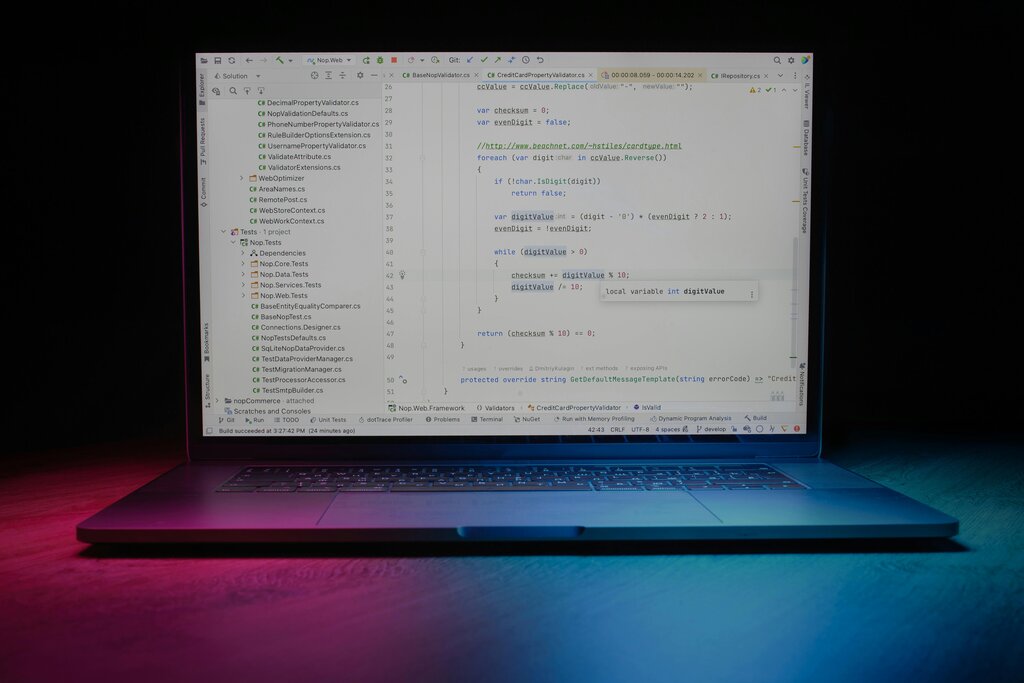
This shift doesn't make the developer obsolete; it changes their role. The focus moves from low-level implementation details to high-level architectural decisions and product strategy. Your primary job is no longer to be a perfect typist, but a clear thinker.
The Creative Director Model
In this new paradigm, the developer acts less like a bricklayer and more like an architect or a creative director. You set the vision, define the constraints, and guide an AI partner that generates the underlying code. Your most valuable skills become domain knowledge, user empathy, and the ability to spot when the AI's output is subtly wrong.
Human intuition is critical. An AI can write a function, but it can't tell you if that function solves the right problem for your user. It can generate a user interface, but it doesn't intuitively understand what makes an experience feel frustrating or delightful. You are the conductor, guiding the AI's powerful but unguided capabilities. This collaborative process involves a loop: you specify intent, the AI generates code, you test and critique the output, and you refine your intent.
Vibe coding is a way of building software by directing an AI to produce runnable code from plain-English instructions, shifting your role from typing syntax to shaping intent, UX, and edge cases.
This means your expertise in your specific field, whether it's finance, game design, or e-commerce, is more important than ever. You provide the context and strategic direction that the AI lacks.
What is a 'Vibe'?
The term 'vibe' might sound fuzzy, but in this context, it's a form of technical specification. It's a high-level bundle of intent that guides the AI's code generation. A well-defined vibe is precise and structured, even if it's expressed in natural language. It's the art of translating a product vision into a set of instructions an AI can execute effectively.
A complete 'vibe' includes more than just functional requirements. It can specify architectural patterns, design aesthetics, performance constraints, and even the desired user experience. It's a holistic brief for your AI collaborator.
| Fuzzy Idea | Technical 'Vibe' Specification |
|---|---|
| "I want a cool-looking dashboard." | "Generate a dashboard UI using React and Tailwind CSS. The design should be minimalist and data-dense, inspired by the work of Dieter Ramss. Prioritize a dark mode theme with high-contrast data visualizations." |
| "Make the app faster." | "Refactor the user data fetching process. Implement server-side pagination with a limit of 50 records per request. Add caching with Redis for frequently accessed profiles to reduce database load." |
| "Users should be able to chat." | "Build a real-time chat feature using WebSockets. The architecture should be a separate microservice written in Go. Ensure all messages are end-to-end encrypted." |
As you can see, the 'vibe' is not a vague suggestion. It's a rich, multi-layered instruction set that guides the AI toward a specific, high-quality outcome.
Vision as Source Code
In vibe coding, your primary contribution is the clarity of your vision. The prompts, diagrams, and high-level descriptions you provide are, in effect, the new source code. The AI acts as a transpiler, converting your high-level human intent into low-level machine-executable code.
This elevates the importance of product sense and architectural thinking. In a world where anyone can generate code, the value lies in knowing what to build and how it should fit together. Your ability to communicate a coherent and detailed vision to an AI will directly determine the quality of the final product.
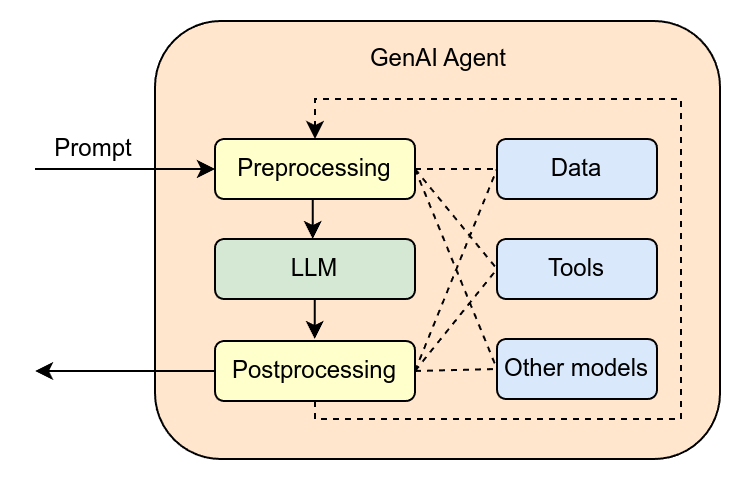
This approach puts the human firmly in the driver's seat, using AI as a powerful tool to bring ideas to life faster than ever. The future of software development relies less on the mechanics of typing and more on the art of thinking, directing, and creating within agentic IDEss.
Now, let's test your understanding of these core concepts.
What is the fundamental shift in programming described by the concept of 'Vibe Coding'?
In the Vibe Coding paradigm, which of the following skills becomes MORE valuable for a developer?
Mastering vibe coding is about refining your ability to translate vision into intent. It's a new skill, but one that builds on the timeless principles of good design and clear communication.