Mastering UX Patterns
Introduction to UX Design
More Than Just Looks
User Experience (UX) design is the process of making a product or service useful, easy, and enjoyable to interact with. It’s not just about how something looks; it's about how it feels. Think about the last app you used that was confusing or frustrating. That was a failure of UX design. Now think of an app that felt effortless and intuitive. That was great UX design at work.
The goal is to create a seamless experience that meets the user's needs. When done right, good UX is often invisible. You don't notice it because everything just works the way you expect it to.
User-centric design (UCD) puts the needs, desires, and limitations of the user at the forefront of the design process.
Two core principles guide this process: usability and accessibility.
Usability
noun
The ease with which a user can interact with a product or service to achieve a specific goal.
A product with high usability is efficient, easy to learn, and satisfying to use. If a user can quickly figure out how to complete a task, like booking a flight or ordering food, the product has good usability. If they get stuck, something needs to be fixed.
Accessibility
noun
The practice of designing products so they can be used by people with a wide range of abilities and disabilities.
This means creating experiences that work for everyone, including those with visual, auditory, motor, or cognitive impairments. For example, providing text alternatives for images helps visually impaired users, while clear and simple language helps those with cognitive disabilities. Designing for accessibility doesn't just help a few people; it often makes the product better for everyone.
A User-Centered Approach
To achieve good usability and accessibility, designers follow a process called user-centered design (UCD). It’s a philosophy that places the user at the heart of every decision. Instead of guessing what people want, designers actively involve them throughout the process.
This typically involves a cycle of discovering user needs, defining the problem from their perspective, developing potential solutions, and then delivering and evaluating those solutions. It's an iterative loop of learning and refining.
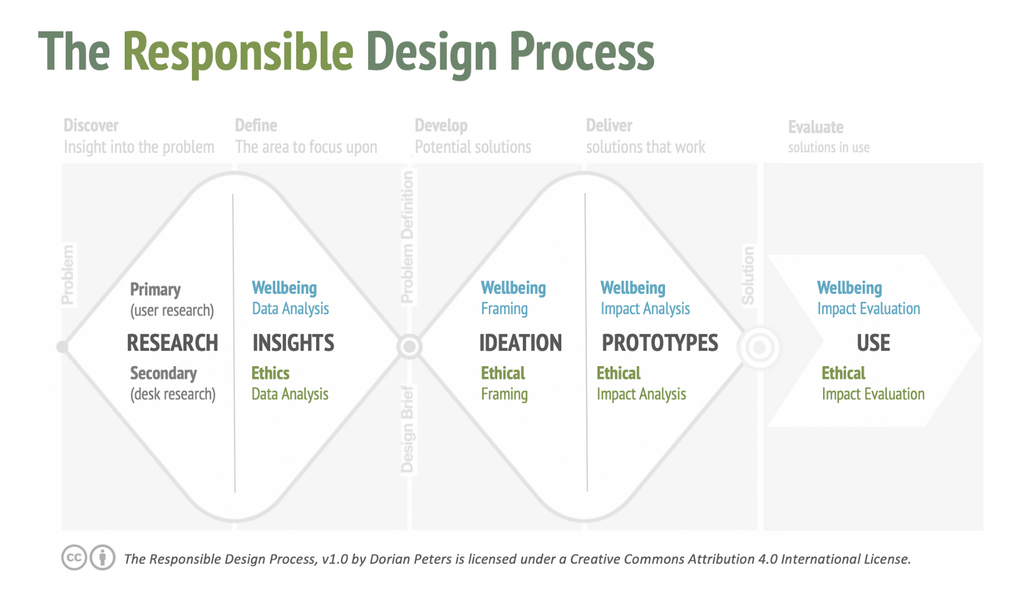
The key is empathy, which means understanding and sharing the feelings of the user. Designers conduct research, create user personas, and map out user journeys to build a deep understanding of their audience. This foundation ensures the final product isn't just functional, but also genuinely helpful and meaningful to the people using it.
Ready to check your understanding? Let's see what you've learned.
What is the primary goal of User Experience (UX) design?
A product that can be used by people with a wide range of abilities, including those with visual or motor impairments, demonstrates a high level of ______.
By focusing on the user, their needs, and their abilities, UX design transforms technology from a tool into a helpful partner in our daily lives.