Mastering UX Design Fundamentals
Introduction to UX Design
What is User Experience?
User Experience, or UX, is how a person feels when interacting with a product, like a website or an app. It’s not just about how it looks, but how it works. Is it easy to use? Does it make sense? Does it help you accomplish your goal efficiently? Good UX design ensures the answer to these questions is a resounding "yes."
User Experience (UX) Design
noun
The process of designing products, systems, or services that provide a meaningful and relevant experience to users. This involves the design of the entire process of acquiring and integrating the product, including aspects of branding, design, usability, and function.
Think of it like a well-designed physical tool. A comfortable chair, an intuitive coffee maker, or a sharp knife all provide a good user experience. They do their job well, feel good to use, and don't require a manual to figure out. UX design applies that same thinking to digital products.
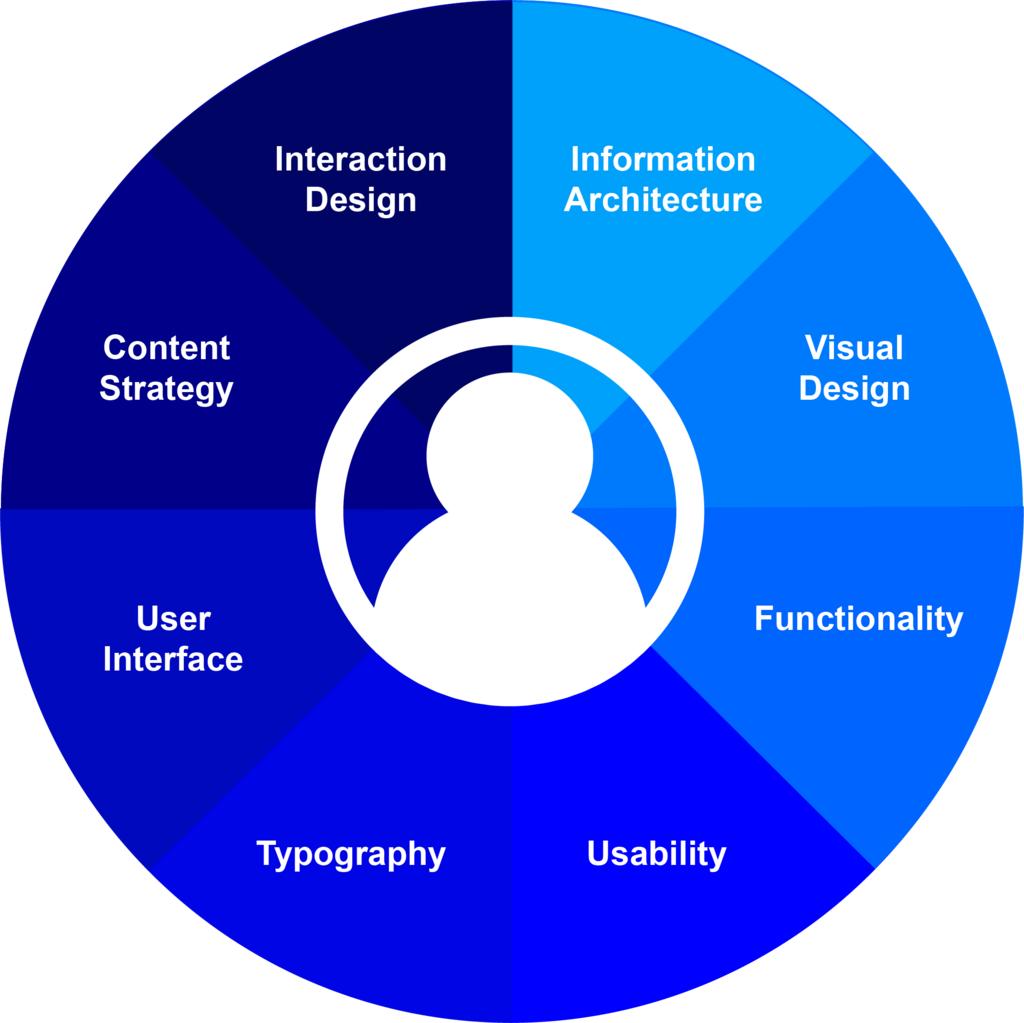
The goal is to create a seamless, enjoyable, and effective interaction between the user and the product. When UX is done well, you hardly notice it. The app just works. When it's done poorly, you feel frustrated, confused, and might give up on the product altogether.
Why UX Matters
Good UX is good business. In a competitive market, users have plenty of choices. If an application is confusing or difficult to use, they'll simply move to a competitor's product. A positive user experience builds customer loyalty and can be a powerful differentiator.
Investing in UX during the product development process also saves money in the long run. Fixing a design flaw early is far cheaper than overhauling a live product after users have already started complaining. By understanding user needs from the beginning, teams can build the right product and avoid costly rework.
A great user experience doesn't happen by accident; it happens by design.
Core Principles of UX Design
Several key principles guide the work of UX designers. While there are many, four stand out as fundamental pillars of good design.
User-Centricity: This is the most important principle. It means placing the user at the center of the design process. Designers must understand the user's needs, behaviors, and motivations. All design decisions should be evaluated based on how they affect the user's experience. You are not your user, so research and empathy are crucial.
Engaging in user-centric AI design means creating products leveraging AI tech that reflect users' needs and pain points.
Simplicity: The best designs are often the simplest. Simplicity means removing unnecessary elements and making the product as intuitive as possible. Users should be able to achieve their goals with minimal effort and confusion. Think of a clean, uncluttered interface versus one crowded with options.
Consistency: A consistent design feels familiar and is easier to learn. This applies both within a single product and across a suite of products. When buttons, icons, and navigation menus behave predictably, users can apply their knowledge from one part of the app to another. This reduces the cognitive load and makes the experience feel cohesive.
Accessibility: Good design is for everyone. Accessibility ensures that people with disabilities, such as visual or motor impairments, can use the product effectively. This involves practices like providing alternative text for images, ensuring high color contrast, and making the interface navigable with a keyboard.
The UX Design Process
Creating a great user experience is a structured process, not a single event. While the exact steps can vary, most UX design projects follow a general pattern of research, design, testing, and implementation.
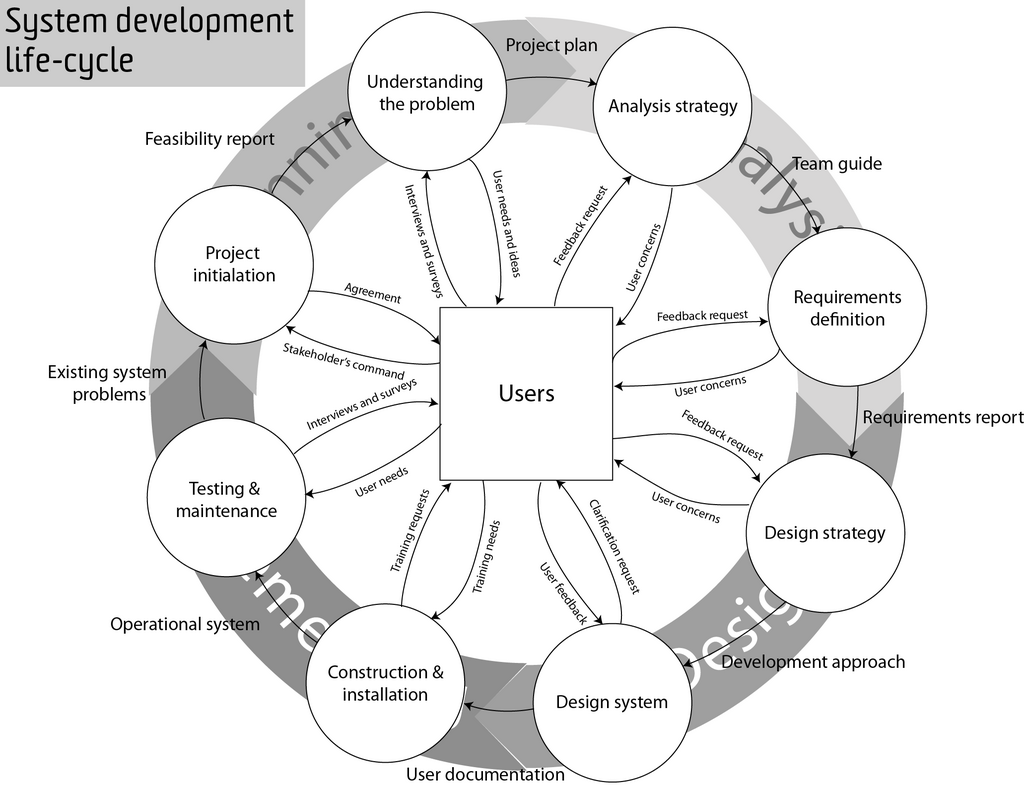
1. Research: It all starts with understanding the users and the problem you're trying to solve. This phase involves interviews, surveys, and observing users to gather insights into their needs and pain points.
2. Design: Based on the research, designers create potential solutions. This starts with low-fidelity sketches and wireframes to map out the structure and flow. It then moves to high-fidelity mockups and interactive prototypes that look and feel like the final product.
3. Test: Before building the full product, designers test their prototypes with real users. This is called usability testing. It helps identify any problems or areas of confusion in the design. Feedback from these tests is used to refine and improve the solution.
4. Implement: Once the design has been tested and refined, it's handed off to the development team to be built. But the UX designer's job isn't over. They often work closely with engineers to ensure the final product matches the design and meets user expectations.
Now, let's test your understanding of these core concepts.
What is the primary goal of User Experience (UX) design?
Investing in UX during the product development process is primarily a cost-saving measure because it helps avoid expensive rework after a product has launched.
Understanding these foundations is the first step toward creating products that people not only use, but love.