Mastering User Interface Design
Introduction to UI Design
What is UI Design?
Think about the front door of a house. The handle, the lock, the color—all these elements shape your experience of entering. A user interface (UI) is the front door to a digital product. It's the collection of screens, pages, buttons, and icons that you interact with when using an app or a website.
User Interface (UI) design is the craft of building those interfaces with a focus on looks and style. The goal is to create a digital environment that is not only visually appealing but also easy to use. A UI designer decides how the product looks, choosing color schemes, button shapes, and font styles that create a cohesive and pleasant experience.
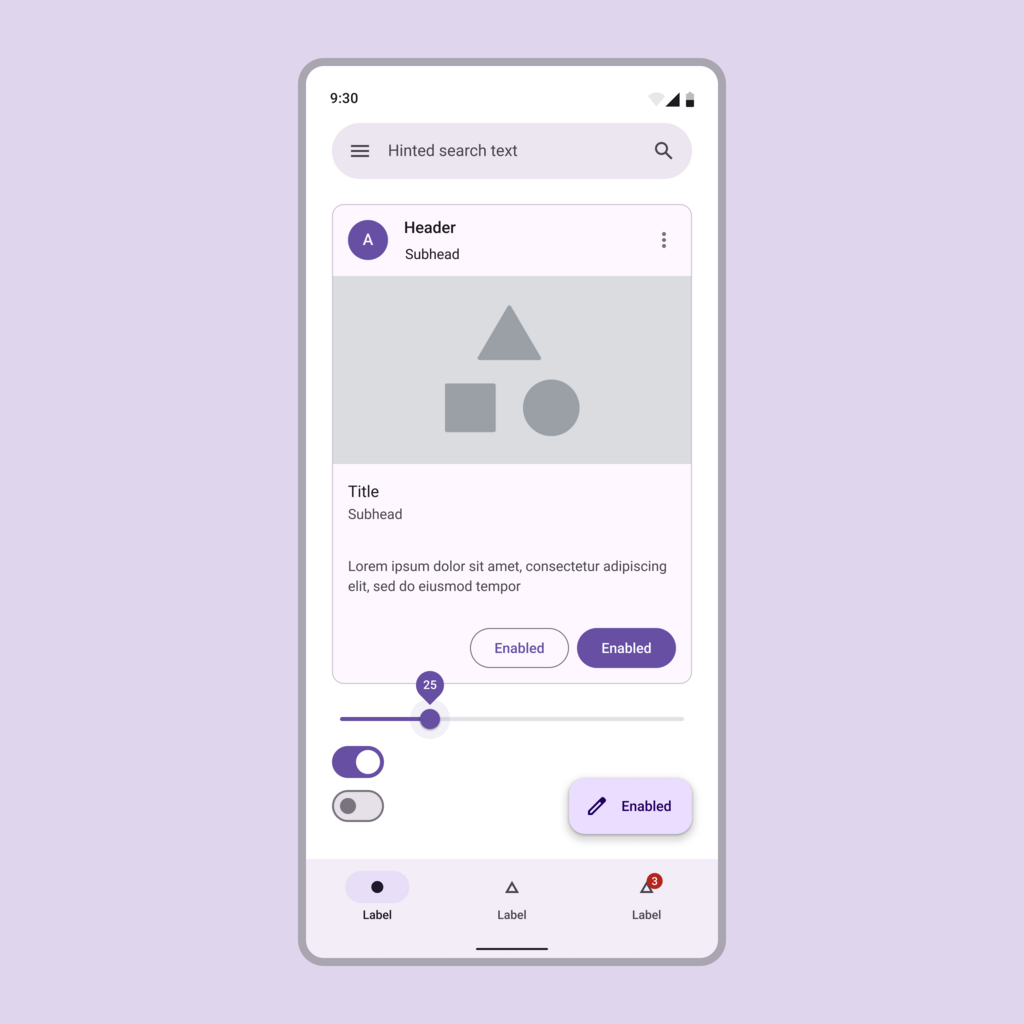
Why does this matter? Because a good UI builds trust and guides the user effortlessly. A confusing or clunky interface can frustrate users and cause them to abandon the product, no matter how powerful its features are. A clear, intuitive UI makes technology feel simple and accessible.
The Goals of Good UI
Great UI design is more than just decoration. It serves a functional purpose by balancing three key objectives: usability, accessibility, and aesthetics.
Usability: The interface should be efficient and easy to learn. Users shouldn't need a manual to figure out how to perform basic tasks. A usable design feels natural and predictable.
Accessibility: A product should be usable by everyone, regardless of their abilities. Accessible design considers people with visual, motor, or cognitive impairments. This includes using color palettes that are easy to see, providing text alternatives for images, and ensuring the interface can be navigated without a mouse.
Aesthetics: This is about the look and feel. A visually pleasing design can make a product more enjoyable to use and can reinforce a brand's identity. Aesthetics are subjective, but good design often relies on principles of balance, contrast, and consistency to create an attractive layout.
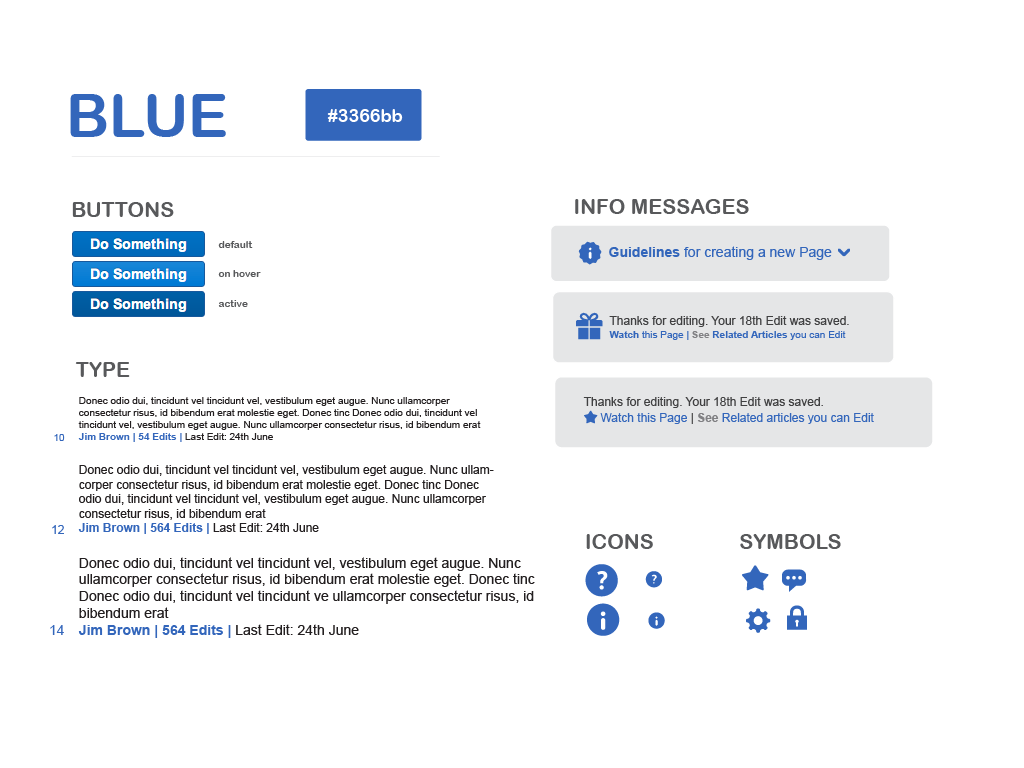
These three goals are interconnected. A beautiful design that isn't usable is just art. A usable product that is ugly and hard to see won't be successful. The best UIs find the sweet spot where all three meet.
UI vs. UX
You'll often hear UI mentioned alongside another term: User Experience (UX). While they are related and often work together, they are not the same thing.
Think of it this way: UX design is the entire journey a user takes with a product, from their first impression to the final interaction. It's concerned with the overall feel of the experience—is it logical, efficient, and satisfying? UX designers map out the user's path and structure the overall flow.
UI design focuses on the specific touchpoints within that journey. If UX is the skeleton of the house, UI is the paint, furniture, and light fixtures. UI designers bring the UX designer's blueprint to life with a polished, visual interface.
By taking the time to understand the users they are designing for, UI designers will create interfaces that are more likely to suit users’ needs, both visually and functionally.
In short, UX makes a product useful, while UI makes it beautiful and delightful to use. Both are essential for creating products that people love.
Time to check your understanding.
What is the primary focus of User Interface (UI) design?
According to the text, a beautiful design that isn't usable is just _____.
Understanding these core concepts is the first step toward creating effective and engaging digital experiences.