Mastering User Experience Design
Introduction to UX Design
What Is UX Design?
User Experience (UX) design is the process of making a product or service useful, easy, and enjoyable to use. It’s not just about how something looks, but how it feels. Think about the last time you used a new app. Was it confusing, or did everything feel natural and intuitive? That feeling is the user experience.
UX design is about the entire journey a person has with a product, from the first time they hear about it to the moment they finish their task.
Imagine trying to assemble a piece of furniture. If the instructions are clear and the parts fit together perfectly, you have a good experience. If the manual is a mess and the screws are missing, you have a frustrating one. UX design for digital products works the same way. It focuses on creating a smooth, logical path for the user, ensuring they can achieve their goals without friction or confusion.
User experience (UX) encompasses every interaction a user has with your digital product—from the first click to the final transaction.
UX vs UI
People often mix up User Experience (UX) and User Interface (UI), but they are two different things that work together closely. Understanding the distinction is key.
UX Design is about the overall feel of the experience. It's the underlying structure and logic. A UX designer asks questions like:
- What is the user's main goal?
- What's the most logical sequence of steps to help them achieve it?
- How can we make the process efficient and intuitive?
UI Design, on the other hand, is about the visual presentation and interactivity of the product. It's what you see and touch. A UI designer focuses on:
- Which colors and fonts will make the interface clear and appealing?
- How should buttons, icons, and menus be styled?
- How does the product's visual identity come to life?
Think of it like building a house. UX is the blueprint: the floor plan, the number of rooms, and how they connect. UI is the interior design: the paint colors, furniture, and light fixtures.
A product can have a beautiful UI but a terrible UX. For example, a stunningly designed website is useless if you can't find the search bar. Conversely, a product can be highly functional (good UX) but look dated and unappealing (poor UI). The most successful products excel at both.
Key Components of UX
A good user experience is not a single quality but a combination of several factors. While different models exist, most agree on a few core components that determine whether a user's interaction with a product is successful.
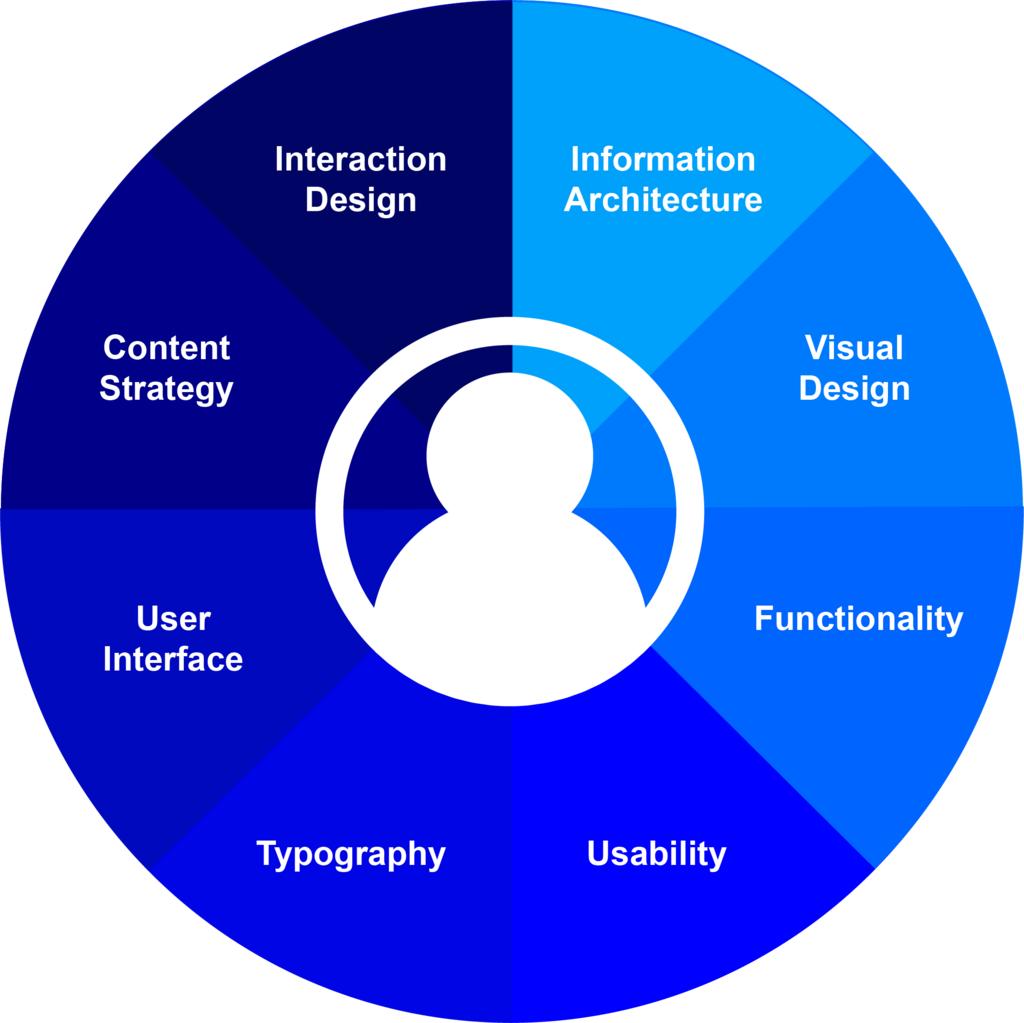
Here are some of the most important components:
- Usability: Can users accomplish their goals easily and efficiently? This is the foundation. If a product isn't usable, nothing else matters.
- Functionality: Does the product actually work? It needs to have the features required to solve the user's problem.
- Findability: Can users easily locate the information or features they need? This involves clear navigation and information architecture.
- Accessibility: Can people with a wide range of abilities use the product? This means designing for users with disabilities, such as visual or motor impairments.
- Credibility: Do users trust your product? This is built through professional design, clear information, and transparent policies.
- Desirability: Do people want to use the product? This component relates to the emotional connection created through branding, aesthetics, and overall delight.
The UX Designer's Role and Impact
So, what does a UX designer actually do? Their primary job is to be the voice of the user throughout the entire product development process. They bridge the gap between what the business wants to build and what the user actually needs.
One of the key responsibilities of a designer during any design process is to be an advocate for the user.
This involves a variety of tasks, including:
- User Research: Conducting interviews, surveys, and observations to understand user behaviors, needs, and motivations.
- Creating Personas: Developing fictional character profiles based on research to represent the target user types.
- Information Architecture: Organizing and structuring content in a logical and intuitive way.
- Wireframing and Prototyping: Creating low-fidelity sketches and interactive models to map out the user flow and test concepts before any code is written.
- Usability Testing: Watching real users interact with the product to identify pain points and areas for improvement.

The impact of good UX design on a product's success is huge. A positive user experience leads to higher customer satisfaction, increased loyalty, and better engagement. When users can easily and enjoyably accomplish their goals, they are more likely to return, recommend the product to others, and become loyal customers. In short, investing in UX isn't just about making users happy—it's a fundamental part of building a successful and sustainable business.
Now, let's test your understanding of these foundational concepts.
What is the primary focus of User Experience (UX) design?
A product can have a beautiful User Interface (UI) but a terrible User Experience (UX).